
If you live in a Detroit home built before 1970, your roof could hide a serious health hazard. Asbestos-cement shingles, commonly called Transite, were widely used in Michigan for their durability and fire resistance. These shingles look like slate or cement but contain chrysotile asbestos fibers that become dangerous when disturbed. If you suspect asbestos on your roof, stop any DIY work immediately and follow Michigan’s specific abatement protocols. This guide covers how to identify asbestos shingles, understand local regulations, and find certified removal services in Detroit. Michigan Department of Environment, Great Lakes, and Energy.
How to Identify Asbestos Shingles on Your Detroit Home
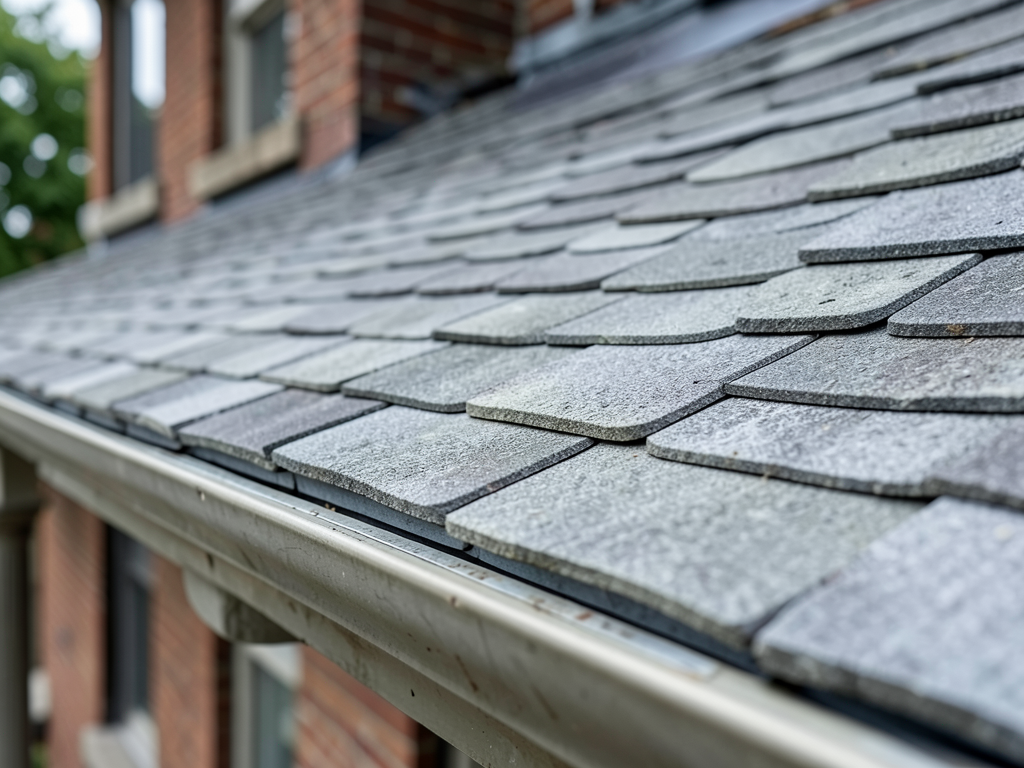
Transite shingles have distinct visual characteristics that set them apart from modern materials. They typically appear as flat, rectangular panels with a slightly wavy surface texture and a cement-gray color that weathers to a chalky finish. The edges often show a layered, fibrous appearance when chipped or broken. These shingles were commonly installed on Tudor Revival, Colonial, and Craftsman-style homes throughout Detroit’s historic neighborhoods like Boston-Edison and Indian Village. Getting Your Historic Roof Restored in Indian Village the Right Way.
Common identification markers include:
- Manufacturer stamps reading “Transite” or “Eternit” on the underside
- A weight significantly heavier than asphalt shingles
- Installation patterns using exposed nails rather than overlapping tabs
- Age indicators – homes built between 1920 and 1970 are highest risk
Never attempt to scrape or break a suspicious shingle to test it yourself. Michigan law requires licensed professionals to collect samples and perform laboratory analysis. Contact a certified asbestos inspector who can safely identify the material and document its condition. Michigan Occupational Safety and Health Administration.
Michigan State Regulations and Safety Protocols
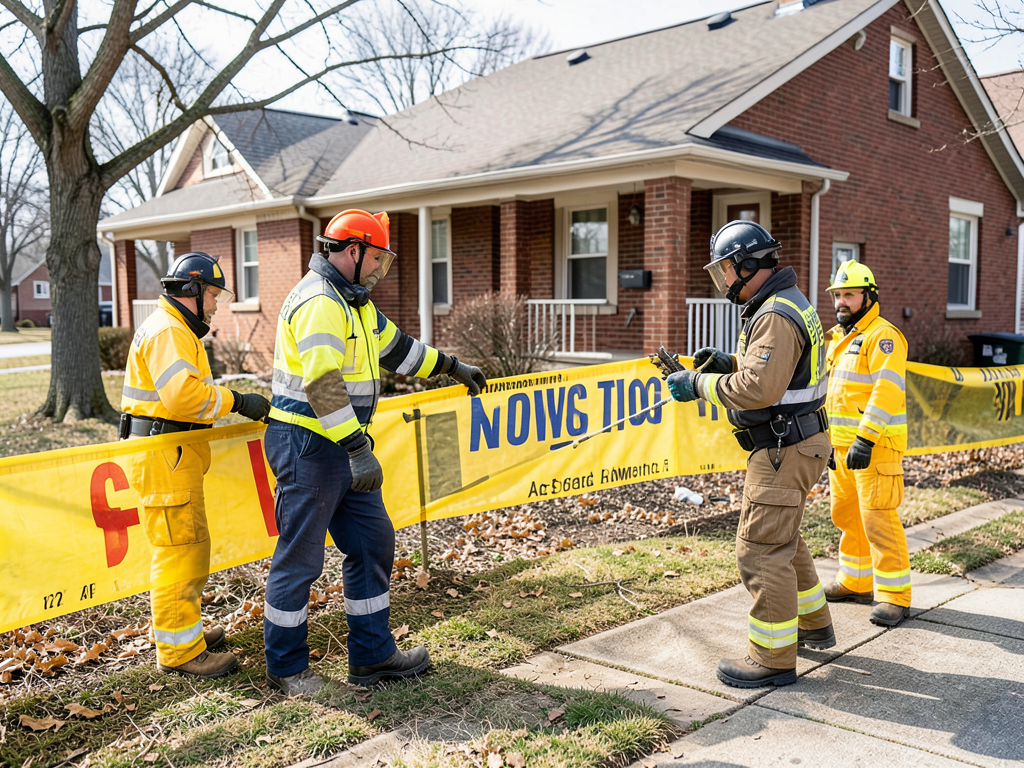
Michigan regulates asbestos abatement through the Department of Environment, Great Lakes, and Energy (EGLE) under Part 201 of the Natural Resources and Environmental Protection Act. The Michigan Occupational Safety and Health Administration (MIOSHA) enforces worker protection standards in Part 602 of the Michigan Administrative Code. These regulations require specific notification periods, containment procedures, and disposal methods that differ from federal EPA guidelines.
Key Michigan requirements include:
- Written notification to EGLE at least 10 working days before removal
- MIOSHA-certified abatement workers wearing half-face respirators with P100 filters
- Full containment barriers with negative air pressure and HEPA filtration
- Wet removal methods to prevent fiber release
- Disposal only at EGLE-approved landfills in Wayne County
The City of Detroit Building Safety Engineering and Environmental Department (BSEED) also requires permits for any roofing work that disturbs asbestos materials. Violations can result in fines up to $25,000 per day and mandatory remediation at the property owner’s expense. Metal Roofing for Ferndale Homes (Is it Actually Worth the Investment?).
Should You Repair, Encapsulate, or Remove?
Deciding between repair, encapsulation, or full removal depends on the shingle condition and your long-term plans. Non-friable asbestos in good condition poses minimal risk if left undisturbed. However, Michigan’s freeze-thaw cycles can cause deterioration over time, especially in homes near the Detroit River where humidity accelerates aging. Roofing Detroit.
| Option | Cost Range | Safety Level | Best For |
|---|---|---|---|
| Repair/Seal | $3-5 per sq ft | Low (if undisturbed) | Short-term solution, budget constraints |
| Encapsulation | $6-9 per sq ft | Medium | Good condition shingles, 5-10 year plan |
| Full Removal | $15-25 per sq ft | High | Replacing roof, selling property, deteriorated shingles |
Encapsulation involves applying a specialized sealant that binds asbestos fibers and prevents release. This option works well for Detroit’s historic homes where maintaining original materials preserves architectural integrity. However, encapsulation is not permanent and may require reapplication every 10-15 years.
The Removal Process: What to Expect
Professional asbestos removal follows a strict protocol to protect workers and occupants. The process typically takes 3-5 days depending on roof size and weather conditions. Detroit’s humid summers can extend timelines due to the need for careful moisture control during removal.
- Site Preparation
Technicians establish containment zones with 6-mil polyethylene sheeting, create decontamination units, and install HEPA air filtration units. The area is sealed off from the rest of the home.
- Material Removal
Workers use wet methods and hand tools to carefully remove shingles, keeping materials damp to minimize dust. Each piece is wrapped in 6-mil plastic and labeled as hazardous waste.
- Air Monitoring
Continuous air sampling ensures fiber levels remain below 0.01 fibers per cubic centimeter, the Michigan standard for clearance.
- Disposal Transportation
Sealed waste is transported to the Wayne County Resource Recovery Facility, the only EGLE-approved site in the metro area for asbestos disposal.
- Post-Removal Inspection
Final air clearance testing confirms the site is safe for reoccupancy before containment is removed.
During removal, expect noise levels similar to standard roofing work but with additional safety measures. Workers wear full-body protective suits and respirators, and the site will be clearly marked with warning signs. Spray Foam Roofing.
Costs of Asbestos Roof Abatement in Detroit
Detroit’s asbestos abatement costs reflect both material handling requirements and local labor rates. Wayne County’s single approved disposal site creates transportation costs that vary based on your location within the metro area. Homes in Dearborn or Livonia may see slightly higher transport fees than those in Detroit proper.
Cost factors include:
- Roof square footage and pitch complexity
- Shingle condition (friable vs. non-friable classification)
- Containment requirements for multi-story homes
- Permit fees from EGLE and BSEED
- Air monitoring and clearance testing
Most Detroit homeowners spend between $12,000 and $28,000 for complete asbestos roof removal on a typical 2,000-square-foot home. Historic district properties in areas like Palmer Woods may qualify for preservation grants that offset some abatement costs. What Royal Oak Homeowners Should Know Before Choosing a Roofing Contractor.
Finding Certified Asbestos Abatement Professionals in Detroit
Michigan requires specific certifications for asbestos work. Look for contractors with:
- MIOSHA Construction Certificate for asbestos abatement
- EGLE notification and tracking number
- Wayne County hazardous waste transporter license
- Proof of liability insurance covering asbestos work
Verify credentials through the Michigan Department of Licensing and Regulatory Affairs (LARA) database. Reputable contractors provide written abatement plans, air monitoring results, and disposal manifests before starting work.
Red flags include contractors unwilling to provide certification copies, those suggesting “roofing over” asbestos shingles, or companies lacking proper containment procedures. Remember, Michigan law holds property owners responsible for ensuring proper abatement, not just the contractor.
Replacing Your Roof After Asbestos Removal
Once asbestos is safely removed, you’ll need to choose replacement materials that match your home’s architectural style while providing modern performance. Detroit’s climate demands materials that withstand freeze-thaw cycles, high winds, and occasional hail.
Popular replacement options include:
- Synthetic slate for historic homes – lightweight with authentic appearance
- Architectural asphalt shingles with Class 4 impact resistance
- Metal roofing for flat or low-slope applications common in Detroit’s commercial areas
- Tile for Mediterranean or Spanish-style homes in Palmer Park
Modern materials offer improved energy efficiency through cool roof coatings and better insulation integration. Many Detroit homeowners find that investing in higher-quality replacement materials provides long-term value through reduced maintenance and improved home energy performance.
Health Risks and When to Act
Asbestos exposure primarily causes mesothelioma, lung cancer, and asbestosis, but these diseases typically develop 15-30 years after exposure. The risk increases with fiber concentration and duration of exposure. Walking on asbestos shingles or allowing children to play near deteriorated areas creates unnecessary risk.
Immediate action is necessary if you notice:
- Cracked, broken, or weathered shingles with visible fiber release
- Water damage suggesting underlying deterioration
- Previous DIY roofing work that may have disturbed materials
- Plans for major renovations that will require roof access
Remember that undisturbed, intact asbestos poses minimal immediate risk. However, Michigan’s climate will eventually cause deterioration, making proactive removal the safest long-term choice for your family’s health.
Frequently Asked Questions
Can I just seal over asbestos shingles instead of removing them?
Encapsulation is legal in Michigan but not permanent. Sealants degrade over 10-15 years, and Michigan’s climate accelerates this process. Encapsulation also complicates future removal and may reduce your home’s resale value since buyers often prefer complete removal.
How long does asbestos stay in the air after disturbance?
Asbestos fibers can remain airborne for 48-72 hours in still air, but Michigan’s typical wind conditions disperse them more quickly. However, once released indoors, fibers can settle into carpets, HVAC systems, and wall cavities, creating long-term exposure risks.
Will my homeowner’s insurance cover asbestos removal?
Most standard policies exclude asbestos abatement as a pre-existing condition. Some insurers offer endorsements for asbestos-related work, but coverage is rare. Check with your agent about specific policy language regarding hazardous material removal.. Read more about Everything You Need to Know About Getting a Roofing Permit in the City of Detroit.
How do I know if my home has asbestos if I can’t see the shingles?
Homes built before 1980 in Detroit have a high probability of containing asbestos in some building materials. Professional inspection using polarized light microscopy (PLM) testing can identify asbestos in roofing, siding, insulation, and floor tiles without destructive testing.
Call (313) 604-2233 today to schedule your inspection. Our certified technicians will safely identify any asbestos materials and provide a detailed removal plan specific to your Detroit home.
Pick up the phone and call (313) 604-2233 before the next storm hits. Don’t risk your family’s health or face costly violations – get professional asbestos identification and removal services from Michigan-certified experts.
{
“@context”: “https://schema.org”,
“@type”: “BlogPosting”,
“headline”: “What to Do if You Suspect Your Old Detroit Roof Contains Asbestos”,
“description”: “Learn how to identify asbestos roof shingles in Detroit homes, understand Michigan EGLE regulations, and find certified removal services for safe abatement.”,
“wordCount”: 1514,
“datePublished”: “2026-03-31T08:10:00.000Z”,
“dateModified”: “2026-03-31T08:10:00.000Z”,
“inLanguage”: “en-US”,
“mainEntityOfPage”: {
“@type”: “WebPage”,
“@id”: “https://peakroofingdetroit.com”
},
“publisher”: {
“@type”: “LocalBusiness”,
“name”: “Peak Roofing Detroit”,
“url”: “https://peakroofingdetroit.com”
},
“author”: {
“@type”: “Organization”,
“name”: “Peak Roofing Detroit”,
“url”: “https://peakroofingdetroit.com”
},
“image”: {
“@type”: “ImageObject”,
“url”: “https://peakroofingdetroit.com/wp-content/uploads/2026/03/what-to-do-if-you-suspect-your-old-detroit-roof-co-1.png”
}
}
{
“@context”: “https://schema.org”,
“@type”: “RoofingContractor”,
“name”: “Peak Roofing Detroit”,
“url”: “https://peakroofingdetroit.com”,
“address”: {
“@type”: “PostalAddress”,
“addressLocality”: “Detroit”
},
“areaServed”: {
“@type”: “City”,
“name”: “Detroit”
}
}
{
“@context”: “https://schema.org”,
“@type”: “FAQPage”,
“mainEntity”: [
{
“@type”: “Question”,
“name”: “Should You Repair, Encapsulate, or Remove?”,
“acceptedAnswer”: {
“@type”: “Answer”,
“text”: “Deciding between repair, encapsulation, or full removal depends on the shingle condition and your long-term plans. Non-friable asbestos in good condition poses minimal risk if left undisturbed. However, Michigan’s freeze-thaw cycles can cause deterioration over time, especially in homes near the Detroit River where humidity accelerates aging. Roofing Detroit.”
}
},
{
“@type”: “Question”,
“name”: “Can I just seal over asbestos shingles instead of removing them?”,
“acceptedAnswer”: {
“@type”: “Answer”,
“text”: “Encapsulation is legal in Michigan but not permanent. Sealants degrade over 10-15 years, and Michigan’s climate accelerates this process. Encapsulation also complicates future removal and may reduce your home’s resale value since buyers often prefer complete removal.”
}
},
{
“@type”: “Question”,
“name”: “How long does asbestos stay in the air after disturbance?”,
“acceptedAnswer”: {
“@type”: “Answer”,
“text”: “Asbestos fibers can remain airborne for 48-72 hours in still air, but Michigan’s typical wind conditions disperse them more quickly. However, once released indoors, fibers can settle into carpets, HVAC systems, and wall cavities, creating long-term exposure risks.”
}
},
{
“@type”: “Question”,
“name”: “Will my homeowner’s insurance cover asbestos removal?”,
“acceptedAnswer”: {
“@type”: “Answer”,
“text”: “Most standard policies exclude asbestos abatement as a pre-existing condition. Some insurers offer endorsements for asbestos-related work, but coverage is rare. Check with your agent about specific policy language regarding hazardous material removal.”
}
},
{
“@type”: “Question”,
“name”: “How do I know if my home has asbestos if I can’t see the shingles?”,
“acceptedAnswer”: {
“@type”: “Answer”,
“text”: “Homes built before 1980 in Detroit have a high probability of containing asbestos in some building materials. Professional inspection using polarized light microscopy (PLM) testing can identify asbestos in roofing, siding, insulation, and floor tiles without destructive testing.”
}
}
]
}
{
“@context”: “https://schema.org”,
“@type”: “HowTo”,
“name”: “Asbestos Roof Removal Process”,
“step”: [
{
“@type”: “HowToStep”,
“position”: 1,
“name”: “Site Preparation”,
“text”: “Technicians establish containment zones with 6-mil polyethylene sheeting, create decontamination units, and install HEPA air filtration units. The area is sealed off from the rest of the home.”
},
{
“@type”: “HowToStep”,
“position”: 2,
“name”: “Material Removal”,
“text”: “Workers use wet methods and hand tools to carefully remove shingles, keeping materials damp to minimize dust. Each piece is wrapped in 6-mil plastic and labeled as hazardous waste.”
},
{
“@type”: “HowToStep”,
“position”: 3,
“name”: “Air Monitoring”,
“text”: “Continuous air sampling ensures fiber levels remain below 0.01 fibers per cubic centimeter, the Michigan standard for clearance.”
},
{
“@type”: “HowToStep”,
“position”: 4,
“name”: “Disposal Transportation”,
“text”: “Sealed waste is transported to the Wayne County Resource Recovery Facility, the only EGLE-approved site in the metro area for asbestos disposal.”
},
{
“@type”: “HowToStep”,
“position”: 5,
“name”: “Post-Removal Inspection”,
“text”: “Final air clearance testing confirms the site is safe for reoccupancy before containment is removed.”
}
],
“image”: “https://peakroofingdetroit.com/wp-content/uploads/2026/03/what-to-do-if-you-suspect-your-old-detroit-roof-co-1.png”
}
{
“@context”: “https://schema.org”,
“@type”: “BreadcrumbList”,
“itemListElement”: [
{
“@type”: “ListItem”,
“position”: 1,
“name”: “Home”,
“item”: “https://peakroofingdetroit.com”
},
{
“@type”: “ListItem”,
“position”: 2,
“name”: “Blog”,
“item”: “https://peakroofingdetroit.com/blog”
},
{
“@type”: “ListItem”,
“position”: 3,
“name”: “What to Do if You Suspect Your Old Detroit Roof Contains Asbestos”
}
]
}
{
“@context”: “https://schema.org”,
“@type”: “Service”,
“serviceType”: “Roofing”,
“provider”: {
“@type”: “LocalBusiness”,
“name”: “Peak Roofing Detroit”,
“url”: “https://peakroofingdetroit.com”
},
“areaServed”: {
“@type”: “City”,
“name”: “Detroit”
},
“description”: “Learn how to identify asbestos roof shingles in Detroit homes, understand Michigan EGLE regulations, and find certified removal services for safe abatement.”
}