
The Real Reason Your Roof Flashing is Leaking Around the Chimney
If water is dripping into your living room every time it rains, your chimney flashing is likely the culprit. In Detroit’s brutal freeze-thaw cycles, even high-quality flashing can fail within 10-15 years. The constant expansion and contraction of metal against brick creates microscopic gaps that widen each winter. But don’t panic yet. Most flashing leaks are fixable without a full roof replacement, and catching them early can save you thousands in water damage repairs. EPA moisture control guidelines.
Chimney flashing consists of two main components: step flashing woven into the shingles and counter-flashing embedded in the chimney mortar. When these fail, water seeps behind them and travels along the roof deck until it finds an opening. In Detroit homes, the most common failure points are where the counter-flashing pulls away from the chimney due to mortar deterioration, and where ice dams force water under the step flashing. The good news is that a professional inspection can identify these issues before they cause major structural damage. Roofing Detroit.
How Detroit’s Weather Destroys Chimney Flashing Faster Than Other Regions
Detroit experiences approximately 140 freeze-thaw cycles annually, compared to just 50-60 in milder climates. This extreme temperature variation causes metal flashing to expand and contract more dramatically, loosening fasteners and creating stress points. When combined with our heavy lake-effect snow and ice dam formation, the result is accelerated flashing deterioration. The Michigan Residential Code actually requires ice and water shield installation in vulnerable areas, but many older Detroit homes were built before this standard existed. Michigan Residential Code flashing requirements.
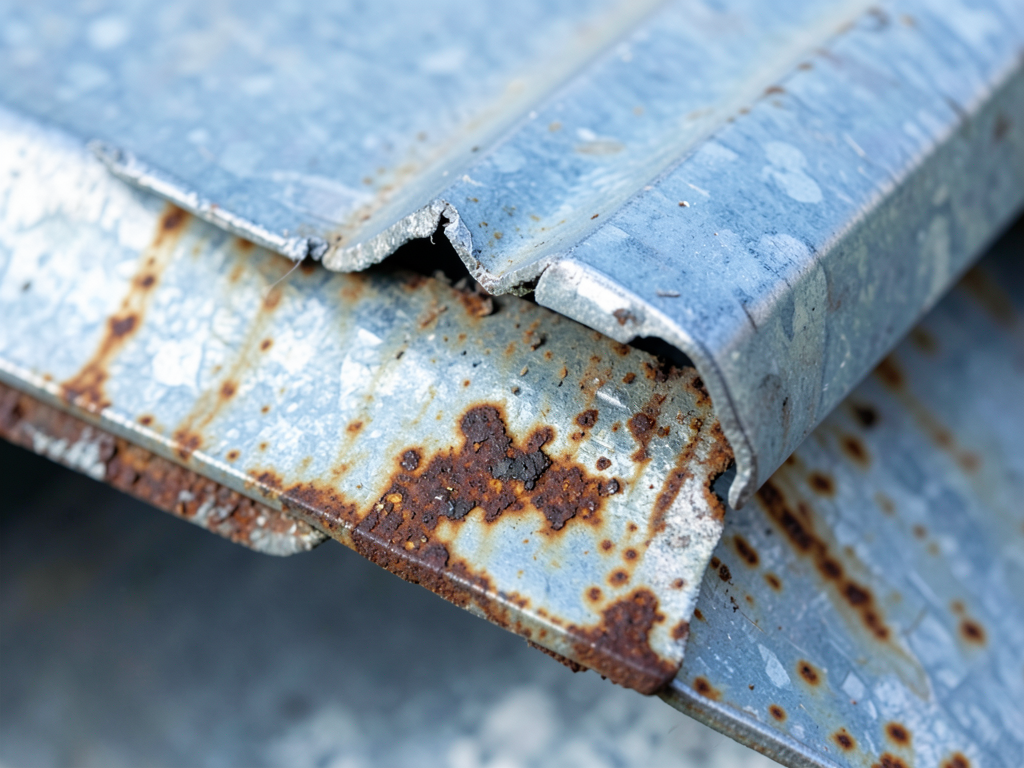
Beyond temperature swings, Detroit’s high humidity levels create another problem. Moisture gets trapped between the flashing and chimney, accelerating corrosion of galvanized steel components. Copper flashing lasts longer but costs significantly more. The freeze-thaw cycle also causes mortar joints to crack, which compromises the counter-flashing’s ability to seal properly. This is why chimney leaks often worsen dramatically after the first heavy snowfall of the season.
Warning Signs Your Chimney Flashing Needs Immediate Attention
Water stains on your ceiling near the chimney are the most obvious sign, but by the time you see them, damage has already occurred. Earlier indicators include rust streaks running down your chimney, which indicate corroding flashing. You might also notice gaps between the flashing and chimney where you can insert a fingernail. During heavy rain, check your attic for water trails or damp spots on the roof deck near the chimney.
Another telltale sign is efflorescence on your chimney bricks. This white, powdery substance forms when water dissolves minerals in the mortar and deposits them on the surface as it evaporates. While not harmful by itself, it indicates moisture penetration that could be coming from failed flashing. In Detroit’s older neighborhoods like Indian Village or Palmer Woods, where many homes are 80-100 years old, mortar deterioration is especially common and directly impacts flashing performance.
The Step-by-Step Process We Use to Repair Chimney Flashing
Our repair process begins with a thorough inspection using moisture meters to detect hidden water damage in the roof deck. We then remove the damaged flashing carefully to avoid damaging surrounding shingles. The chimney surface is cleaned and any deteriorated mortar is repaired. New step flashing is installed, woven properly into the shingle pattern, and counter-flashing is either replaced or resealed into fresh mortar joints.
For Detroit’s climate, we use a two-part polyurethane sealant that remains flexible in extreme temperatures. This flexibility is crucial because it allows the sealant to move with the building materials rather than cracking. We also install a cricket (a small ridge) behind chimneys wider than 30 inches to divert water and snow. This prevents water from pooling behind the chimney, which is a common cause of flashing failure in our area. Roof Cricket Drainage Issues.
Comparing Flashing Materials: What Works Best in Detroit
| Material | Lifespan in Detroit | Cost | Best For |
|---|---|---|---|
| Galvanized Steel | 15-20 years | $$ | Standard residential |
| Aluminum | 20-25 years | $$ | Most homes |
| Copper | 40-50 years | $$$ | Historic homes |
| Lead-Coated Copper | 50+ years | $$$$ | Premium/historic |
Aluminum flashing is the most popular choice for Detroit homes because it offers good durability at a reasonable price. It’s also lightweight and easy to form around complex chimney shapes. However, copper remains the gold standard for historic homes in areas like Indian Village, where maintaining architectural authenticity is important. The initial investment is higher, but copper’s longevity often makes it more cost-effective over time. Getting Your Historic Roof Restored in Indian Village the Right Way.
Why DIY Flashing Repair Often Fails in Michigan
Many homeowners attempt to seal flashing leaks with caulk, but this is usually a temporary fix that traps moisture and accelerates deterioration. Proper flashing repair requires removing shingles, cutting into mortar, and installing new components in a specific overlapping pattern. Without this knowledge, repairs often fail within months, especially during Detroit’s first freeze-thaw cycle. What Royal Oak Homeowners Should Know Before Choosing a Roofing Contractor.
Another common mistake is using the wrong sealant. Silicone sealants, while waterproof, don’t adhere well to masonry and can actually pull away from surfaces as they cure. Polyurethane sealants designed for roofing applications maintain flexibility and bond strength in our temperature extremes. The Michigan Residential Code Section R903.3 specifically addresses flashing requirements, including minimum overlap dimensions and fastener spacing that DIYers often overlook. Metal Roofing for Ferndale Homes (Is it Actually Worth the Investment?).
Preventing Future Flashing Leaks: Maintenance Tips for Detroit Homeowners
Annual chimney inspections can catch flashing problems before they cause interior damage. Look for loose or missing mortar joints, rust on metal components, and gaps where flashing meets the chimney. After severe storms, check for lifted or damaged shingles near the chimney that could compromise the step flashing below.. Read more about How Drone Roof Inspections are Changing the Way We Find Leaks in Macomb County.
Keeping your gutters clean is also crucial. Clogged gutters cause ice dams that force water under flashing. Consider installing gutter guards if you have many trees near your home. In Detroit’s older neighborhoods, where mature trees are common, this simple step can significantly extend your flashing’s lifespan. Also, ensure your attic has proper ventilation to minimize ice dam formation during winter.
The Cost of Ignoring Flashing Leaks in Detroit’s Climate
A small flashing leak might seem minor, but in Detroit’s climate, it can lead to major structural issues within a single winter. Water that enters through flashing can rot roof decking, damage insulation, and create conditions for mold growth. The freeze-thaw cycle then causes this water to expand, potentially cracking chimney crowns and damaging interior walls.
Insurance companies in Michigan are increasingly denying claims for damage caused by neglected maintenance. If your flashing has been leaking for months before you notice it, you might be responsible for all repair costs. Early intervention typically costs between $500-$1,500 for standard repairs, while extensive water damage repairs can easily exceed $10,000. The math is simple: fixing flashing early is always cheaper than repairing the damage it causes.
Frequently Asked Questions
How long should chimney flashing last in Detroit?
Quality chimney flashing typically lasts 20-30 years in Detroit’s climate, though harsh winters can reduce this to 15-20 years. Copper flashing can last 40-50 years or more. Regular inspections help maximize lifespan.
Can I just seal the gap around my chimney instead of replacing the flashing?
Temporary sealant applications often fail within months in Detroit’s freeze-thaw cycles. Proper repair requires removing and replacing the flashing system to ensure long-term protection.
How much does chimney flashing repair cost in Detroit?
Standard flashing repairs typically range from $500-$1,500 in the Detroit area, depending on chimney size, flashing material, and extent of damage. Copper flashing repairs cost more but last significantly longer.
Call (313) 604-2233 Before the Next Storm Hits
Don’t wait until water is pouring into your living room. Our Detroit-based team understands the unique challenges our climate poses to chimney flashing. We offer free inspections and can often complete repairs in a single day, preventing further damage to your home. Call (313) 604-2233 today to schedule your inspection before the next storm hits. Our experienced technicians will diagnose the problem and provide a clear, upfront estimate for repair. Protect your home from Detroit’s harsh winters with properly installed, code-compliant flashing that will keep you dry for years to come.
{
“@context”: “https://schema.org”,
“@type”: “BlogPosting”,
“headline”: “The Real Reason Your Roof Flashing is Leaking Around the Chimney”,
“description”: “Is your chimney leaking? Learn the real causes of roof flashing failure in Detroit’s harsh climate and how to fix it before winter damage worsens.”,
“wordCount”: 1376,
“datePublished”: “2026-05-18T06:43:00.000Z”,
“dateModified”: “2026-05-18T06:43:00.000Z”,
“inLanguage”: “en-US”,
“mainEntityOfPage”: {
“@type”: “WebPage”,
“@id”: “https://peakroofingdetroit.com”
},
“publisher”: {
“@type”: “LocalBusiness”,
“name”: “Peak Roofing Detroit”,
“url”: “https://peakroofingdetroit.com”
},
“author”: {
“@type”: “Organization”,
“name”: “Peak Roofing Detroit”,
“url”: “https://peakroofingdetroit.com”
},
“image”: {
“@type”: “ImageObject”,
“url”: “https://peakroofingdetroit.com/wp-content/uploads/2026/03/the-real-reason-your-roof-flashing-is-leaking-arou-1.png”
}
}
{
“@context”: “https://schema.org”,
“@type”: “RoofingContractor”,
“name”: “Peak Roofing Detroit”,
“url”: “https://peakroofingdetroit.com”,
“address”: {
“@type”: “PostalAddress”,
“addressLocality”: “Detroit”
},
“areaServed”: {
“@type”: “City”,
“name”: “Detroit”
}
}
{
“@context”: “https://schema.org”,
“@type”: “FAQPage”,
“mainEntity”: [
{
“@type”: “Question”,
“name”: “How long should chimney flashing last in Detroit?”,
“acceptedAnswer”: {
“@type”: “Answer”,
“text”: “Quality chimney flashing typically lasts 20-30 years in Detroit’s climate, though harsh winters can reduce this to 15-20 years. Copper flashing can last 40-50 years or more. Regular inspections help maximize lifespan.”
}
},
{
“@type”: “Question”,
“name”: “Can I just seal the gap around my chimney instead of replacing the flashing?”,
“acceptedAnswer”: {
“@type”: “Answer”,
“text”: “Temporary sealant applications often fail within months in Detroit’s freeze-thaw cycles. Proper repair requires removing and replacing the flashing system to ensure long-term protection.”
}
},
{
“@type”: “Question”,
“name”: “How much does chimney flashing repair cost in Detroit?”,
“acceptedAnswer”: {
“@type”: “Answer”,
“text”: “Standard flashing repairs typically range from $500-$1,500 in the Detroit area, depending on chimney size, flashing material, and extent of damage. Copper flashing repairs cost more but last significantly longer.”
}
}
]
}
{
“@context”: “https://schema.org”,
“@type”: “BreadcrumbList”,
“itemListElement”: [
{
“@type”: “ListItem”,
“position”: 1,
“name”: “Home”,
“item”: “https://peakroofingdetroit.com”
},
{
“@type”: “ListItem”,
“position”: 2,
“name”: “Blog”,
“item”: “https://peakroofingdetroit.com/blog”
},
{
“@type”: “ListItem”,
“position”: 3,
“name”: “The Real Reason Your Roof Flashing is Leaking Around the Chimney”
}
]
}
{
“@context”: “https://schema.org”,
“@type”: “Service”,
“serviceType”: “Roofing”,
“provider”: {
“@type”: “LocalBusiness”,
“name”: “Peak Roofing Detroit”,
“url”: “https://peakroofingdetroit.com”
},
“areaServed”: {
“@type”: “City”,
“name”: “Detroit”
},
“description”: “Is your chimney leaking? Learn the real causes of roof flashing failure in Detroit’s harsh climate and how to fix it before winter damage worsens.”
}