
3-Tab vs. Architectural Shingles: Which is Best for Your Farmington Hills Home?
Choosing between 3-tab and architectural shingles for your Farmington Hills home is one of the most important roofing decisions you’ll make. The right choice affects your home’s protection, curb appeal, and long-term value. In Southeast Michigan’s climate, where winter snow loads and summer storms test every roof, understanding the real differences matters more than any sales pitch. Michigan Department of Licensing and Regulatory Affairs.
3-tab shingles offer a budget-friendly option with a 20-year lifespan and basic protection against Michigan’s elements. Architectural shingles provide superior durability with 30-50 year lifespans, better wind resistance up to 130 mph, and enhanced curb appeal that can increase your home’s resale value. The price difference typically ranges from 15-25% more for architectural shingles, but the long-term benefits often justify the initial investment.
Before making your decision, consider how Farmington Hills’ specific weather patterns affect each shingle type. Heavy lake-effect snow, ice dam formation, and high winds off Lake St. Clair create unique challenges that impact performance differently between these two options.
The Visual Difference: Aesthetics and Curb Appeal
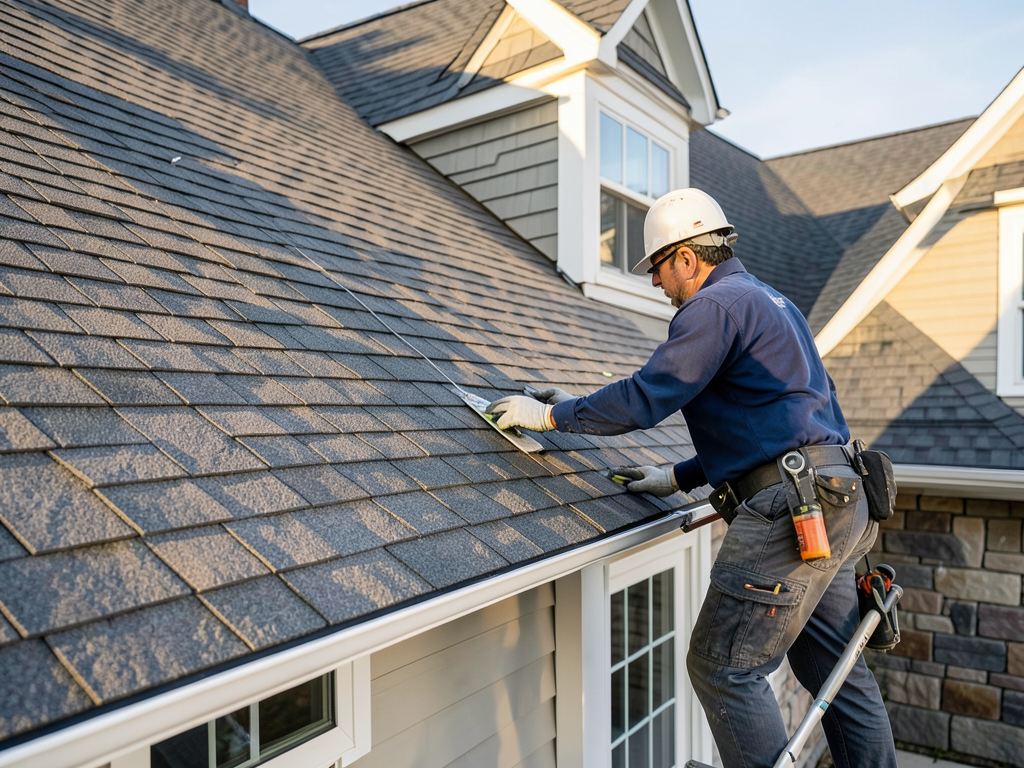
Architectural shingles create a dimensional, textured appearance that mimics natural wood or slate roofing. The multiple layers of material create shadow lines and depth that 3-tab shingles simply cannot match. This visual distinction becomes particularly noticeable on Farmington Hills homes, where many properties feature traditional Colonial, Tudor, or Craftsman architectural styles that benefit from the premium appearance. Metal Roofing for Ferndale Homes (Is it Actually Worth the Investment?).
3-tab shingles lay flat with uniform rectangular tabs, creating a more basic, flat appearance. While functional, they lack the visual interest that architectural shingles provide. In Farmington Hills neighborhoods like Woodcreek or Fox Hills, where home values range significantly, the upgraded appearance of architectural shingles can contribute to higher property values and stronger curb appeal.
The color options also differ substantially. Architectural shingles come in deeper, more varied color palettes with enhanced UV resistance that maintains appearance longer. 3-tab shingles typically offer more limited color choices and may show fading more quickly under Michigan’s intense summer sun and winter UV reflection off snow.
Durability Comparison: Surviving Michigan Winters
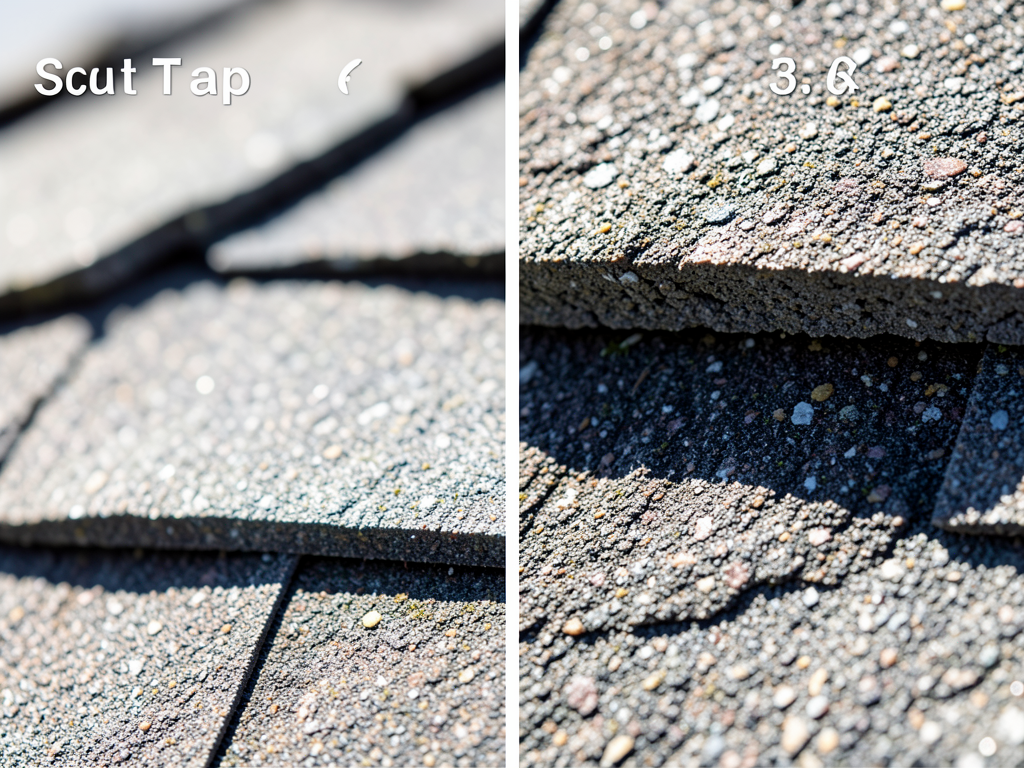
Michigan’s freeze-thaw cycles create one of the harshest testing environments for roofing materials. Farmington Hills experiences average winter temperatures below freezing for nearly three months, with temperature swings of 30-40 degrees in a single day not uncommon. These conditions cause materials to expand and contract repeatedly, leading to cracking, curling, and eventual failure. Spray Foam Roofing.
Architectural shingles handle these cycles better due to their heavier construction and multiple layers. The additional asphalt and fiberglass reinforcement provides better flexibility during temperature changes. 3-tab shingles, being thinner and more rigid, become brittle faster in extreme cold and are more prone to cracking during Michigan’s harsh winters.
Ice dam formation presents another critical difference. When snow melts on warm roof sections and refreezes at the eaves, it creates ice dams that can force water under shingles. Architectural shingles typically feature enhanced adhesive strips and thicker nailing zones that resist ice dam penetration better than 3-tab alternatives. The Michigan Residential Code (MRC) Section R905.2.8.3 requires ice and water shield installation in Farmington Hills for all new roofs, but the shingle type still affects overall ice dam resistance. Why Flat Roofs in Corktown Require Specialized Drainage Solutions.
Cost Breakdown: Initial Investment vs. Long-Term Value
Understanding the true cost difference requires looking beyond the initial price per square. In Farmington Hills, 3-tab shingles typically cost $85-110 per square for materials, while architectural shingles range from $120-180 per square. However, the installation costs differ significantly due to the weight and complexity of architectural shingles.
Installation labor for architectural shingles runs 10-15% higher due to the heavier weight and more precise nailing requirements. A typical Farmington Hills home might see total installed costs of $350-450 per square for 3-tab versus $450-650 per square for architectural shingles. The 15-25% price premium reflects the enhanced durability and performance.
Long-term value calculations tell a different story. While 3-tab shingles require replacement every 20 years on average, architectural shingles often last 30-50 years with proper maintenance. Over a 40-year period, you might replace 3-tab shingles twice versus once for architectural, effectively doubling your long-term costs. Additionally, architectural shingles can increase home resale value by $1,500-3,000 in Farmington Hills, where buyers recognize quality roofing as a valuable feature.
Wind Resistance and Warranty Differences
Michigan’s location makes wind resistance crucial for roofing materials. Farmington Hills experiences wind speeds averaging 10-15 mph, with gusts frequently exceeding 40 mph during summer thunderstorms and winter nor’easters. The Great Lakes create unique wind patterns that can intensify roof stress.
3-tab shingles typically carry wind ratings of 60-70 mph, which may not provide adequate protection during severe weather events. Architectural shingles offer wind ratings of 110-130 mph, providing significantly better protection against Michigan’s wind extremes. This difference becomes critical when considering that wind damage accounts for approximately 30% of all roofing insurance claims in Southeast Michigan.
Warranty coverage also varies substantially. 3-tab shingles typically come with 20-25 year limited warranties that may exclude wind damage. Architectural shingles often feature lifetime limited warranties with enhanced wind coverage and algae resistance guarantees. The algae resistance becomes particularly important in Farmington Hills, where summer humidity can cause black streaking on roofs within 5-7 years.
Which Shingle Type Should Detroit Homeowners Choose?
Your choice depends on several factors specific to your situation. Consider your planned homeownership duration, budget constraints, and the architectural style of your Farmington Hills home. If you plan to stay less than 10 years, 3-tab shingles might provide adequate protection at a lower initial cost. For longer ownership or if you’re planning to sell within five years, architectural shingles typically offer better return on investment. What Royal Oak Homeowners Should Know Before Choosing a Roofing Contractor.
Historic homes in Farmington Hills neighborhoods may benefit more from architectural shingles due to their enhanced appearance and durability. The dimensional look complements traditional architecture while the superior weather resistance protects valuable historic details. However, always check with the Farmington Hills Historic District Commission if your home falls within any designated historic areas. Getting Your Historic Roof Restored in Indian Village the Right Way.
Consider also your home’s exposure to severe weather. Homes on open lots or near Lake St. Clair face higher wind loads and may justify the additional cost of architectural shingles. Similarly, if your roof has complex features like multiple valleys or dormers, the enhanced durability of architectural shingles provides better long-term protection in vulnerable areas.
Installation Quality: The Critical Factor
Regardless of which shingle type you choose, installation quality determines actual performance. Michigan’s building codes require specific nailing patterns, underlayment installation, and ventilation requirements that directly impact shingle longevity. The Michigan Department of Licensing and Regulatory Affairs (LARA) maintains licensing requirements for roofing contractors, but not all licensed contractors deliver the same quality.
Proper installation includes correct nail placement (typically 4-6 nails per shingle), adequate underlayment coverage, proper flashing around chimneys and vents, and appropriate ventilation to prevent moisture buildup. Poor installation can reduce even the best architectural shingles’ lifespan by 50% or more. Always verify your contractor’s experience with your chosen shingle type and request references from similar Farmington Hills installations.
Weather timing also affects installation quality. Michigan’s roofing season typically runs from April through October, with optimal conditions in late spring and early fall. Installing shingles during extreme heat can affect adhesive activation, while cold weather installation may prevent proper sealing. A quality contractor will schedule your project during optimal conditions and provide appropriate weather protection.
Maintenance Requirements for Each Shingle Type
Both shingle types require regular maintenance, but the frequency and intensity differ. 3-tab shingles need more frequent inspections due to their shorter lifespan and greater vulnerability to damage. Annual inspections in spring and fall help identify curling, cracking, or missing shingles before leaks develop.
Architectural shingles, while more durable, still benefit from bi-annual inspections. Their enhanced thickness makes them less susceptible to minor damage, but they can still develop issues around flashing points or in areas with poor ventilation. The Michigan climate creates specific maintenance challenges, including moss growth in shaded areas and granule loss from hail impact.
Gutter maintenance becomes particularly important for both shingle types in Farmington Hills. The area’s heavy clay soil and mature tree canopy create conditions where gutters clog frequently. Water backup from clogged gutters can damage shingle edges and accelerate deterioration regardless of shingle type. Consider installing gutter guards if your property has many trees.
Energy Efficiency Considerations
Architectural shingles often provide better energy efficiency due to their thickness and the availability of cool roof options with reflective granules. In Farmington Hills’ climate, where summer temperatures regularly exceed 85°F and winter heating demands are substantial, the right shingle choice can impact utility bills.
Light-colored architectural shingles with reflective properties can reduce cooling costs by 10-15% during summer months. The additional layers in architectural shingles also provide slight insulation benefits, potentially reducing heat transfer through the roof deck. While the effect is modest compared to proper attic insulation, every efficiency gain matters in Michigan’s climate.
3-tab shingles typically offer fewer energy-efficient options and provide minimal insulation benefits. However, both shingle types can be paired with proper attic ventilation to maximize energy performance. The key is ensuring your roofing contractor addresses the entire roofing system, not just the visible shingle layer.
Environmental Impact and Recycling Options
Both shingle types are recyclable, but architectural shingles contain more material that can be reclaimed. Michigan’s asphalt shingle recycling programs have expanded significantly, with facilities in nearby cities accepting old shingles for processing into road paving materials.
Architectural shingles’ longer lifespan means less frequent replacement and therefore less waste over time. A roof lasting 40 years instead of 20 generates half the waste material. Additionally, some architectural shingle manufacturers now offer recycled content options, reducing the environmental impact of new material production. Environmental Protection Agency roofing guidelines.
3-tab shingles, while recyclable, typically end up in landfills more often due to their lower value and the perception that they’re not worth the recycling effort. However, both types contain petroleum-based asphalt, making proper disposal important for environmental responsibility regardless of your choice.
Making Your Final Decision
The decision between 3-tab and architectural shingles ultimately comes down to your specific priorities, budget, and long-term plans. Consider creating a weighted decision matrix that factors in your expected homeownership duration, budget constraints, aesthetic preferences, and local weather exposure.
For most Farmington Hills homeowners planning to stay in their homes more than 10 years, architectural shingles provide the best overall value despite the higher initial cost. The combination of superior durability, enhanced appearance, better warranty coverage, and potential energy savings typically outweighs the upfront price difference.
However, if budget constraints are severe or you’re planning a quick sale, 3-tab shingles can provide adequate protection at a lower initial investment. Just be prepared for more frequent replacements and potentially lower resale value compared to homes with architectural shingles.
Frequently Asked Questions
How long do 3-tab shingles typically last in Michigan’s climate?
3-tab shingles generally last 15-20 years in Michigan, though harsh winters and freeze-thaw cycles can reduce this to 12-15 years in some areas. Farmington Hills’ specific weather patterns, including heavy lake-effect snow and temperature fluctuations, create conditions that accelerate 3-tab shingle deterioration compared to milder climates.
Are architectural shingles worth the extra cost for a Farmington Hills home?
For most Farmington Hills homeowners, architectural shingles provide good value despite the 15-25% higher initial cost. Their 30-50 year lifespan, superior wind resistance up to 130 mph, and enhanced curb appeal typically justify the investment, especially for homes you plan to keep more than 10 years or if you’re concerned about severe weather protection.
What Michigan building codes affect shingle selection?
Michigan’s Residential Code requires ice and water shield installation in Farmington Hills for all new roofs, regardless of shingle type. The code also mandates specific wind ratings based on location, with Farmington Hills falling in a zone requiring minimum 90 mph wind resistance. Both 3-tab and architectural shingles can meet these requirements, though architectural shingles provide significantly more margin for extreme weather events.
Can I install architectural shingles over existing 3-tab shingles?
While technically possible, installing new shingles over existing ones is generally not recommended in Michigan. The added weight (architectural shingles are 30-40% heavier) can stress roof structures already bearing heavy snow loads. Additionally, proper inspection of the existing roof deck becomes impossible, potentially hiding moisture damage or structural issues that should be addressed before re-roofing.
How do I choose between different architectural shingle brands?
Focus on warranty coverage, wind ratings, and the manufacturer’s presence in Michigan. Top brands like GAF Timberline, CertainTeed Landmark, and Owens Corning Duration all offer excellent architectural shingles suitable for Farmington Hills. Compare wind ratings (aim for 130 mph minimum), algae resistance guarantees (20+ years), and the availability of local warranty service through certified contractors in your area.
Ready to protect your Farmington Hills home with the right roofing choice? Call (313) 604-2233 today to schedule your free inspection and get expert advice on whether 3-tab or architectural shingles are best for your specific situation. Don’t wait until winter storms reveal your roof’s weaknesses – take action now and ensure your home stays protected for decades to come.
{
“@context”: “https://schema.org”,
“@type”: “BlogPosting”,
“headline”: “The Real Difference Between 3-Tab and Architectural Shingles for Your Farmington Hills Home”,
“description”: “Comparing 3-tab vs architectural shingles for Farmington Hills homes. Learn lifespan, wind ratings, costs, and Michigan-specific durability to make the right choice.”,
“wordCount”: 2220,
“datePublished”: “2026-03-21T11:00:00.000Z”,
“dateModified”: “2026-03-21T11:00:00.000Z”,
“inLanguage”: “en-US”,
“mainEntityOfPage”: {
“@type”: “WebPage”,
“@id”: “https://peakroofingdetroit.com”
},
“publisher”: {
“@type”: “LocalBusiness”,
“name”: “Peak Roofing Detroit”,
“url”: “https://peakroofingdetroit.com”
},
“author”: {
“@type”: “Organization”,
“name”: “Peak Roofing Detroit”,
“url”: “https://peakroofingdetroit.com”
},
“image”: {
“@type”: “ImageObject”,
“url”: “https://peakroofingdetroit.com/wp-content/uploads/2026/03/the-real-difference-between-3-tab-and-architectura-1.png”
}
}
{
“@context”: “https://schema.org”,
“@type”: “RoofingContractor”,
“name”: “Peak Roofing Detroit”,
“url”: “https://peakroofingdetroit.com”,
“address”: {
“@type”: “PostalAddress”,
“addressLocality”: “Detroit”
},
“areaServed”: {
“@type”: “City”,
“name”: “Detroit”
}
}
{
“@context”: “https://schema.org”,
“@type”: “FAQPage”,
“mainEntity”: [
{
“@type”: “Question”,
“name”: “3-Tab vs. Architectural Shingles: Which is Best for Your Farmington Hills Home?”,
“acceptedAnswer”: {
“@type”: “Answer”,
“text”: “Choosing between 3-tab and architectural shingles for your Farmington Hills home is one of the most important roofing decisions you’ll make. The right choice affects your home’s protection, curb appeal, and long-term value. In Southeast Michigan’s climate, where winter snow loads and summer storms test every roof, understanding the real differences matters more than any sales pitch. Michigan Department of Licensing and Regulatory Affairs.”
}
},
{
“@type”: “Question”,
“name”: “Which Shingle Type Should Detroit Homeowners Choose?”,
“acceptedAnswer”: {
“@type”: “Answer”,
“text”: “Your choice depends on several factors specific to your situation. Consider your planned homeownership duration, budget constraints, and the architectural style of your Farmington Hills home. If you plan to stay less than 10 years, 3-tab shingles might provide adequate protection at a lower initial cost. For longer ownership or if you’re planning to sell within five years, architectural shingles typically offer better return on investment. What Royal Oak Homeowners Should Know Before Choosing a Roofing Contractor.”
}
},
{
“@type”: “Question”,
“name”: “How long do 3-tab shingles typically last in Michigan’s climate?”,
“acceptedAnswer”: {
“@type”: “Answer”,
“text”: “3-tab shingles generally last 15-20 years in Michigan, though harsh winters and freeze-thaw cycles can reduce this to 12-15 years in some areas. Farmington Hills’ specific weather patterns, including heavy lake-effect snow and temperature fluctuations, create conditions that accelerate 3-tab shingle deterioration compared to milder climates.”
}
},
{
“@type”: “Question”,
“name”: “Are architectural shingles worth the extra cost for a Farmington Hills home?”,
“acceptedAnswer”: {
“@type”: “Answer”,
“text”: “For most Farmington Hills homeowners, architectural shingles provide good value despite the 15-25% higher initial cost. Their 30-50 year lifespan, superior wind resistance up to 130 mph, and enhanced curb appeal typically justify the investment, especially for homes you plan to keep more than 10 years or if you’re concerned about severe weather protection.”
}
},
{
“@type”: “Question”,
“name”: “What Michigan building codes affect shingle selection?”,
“acceptedAnswer”: {
“@type”: “Answer”,
“text”: “Michigan’s Residential Code requires ice and water shield installation in Farmington Hills for all new roofs, regardless of shingle type. The code also mandates specific wind ratings based on location, with Farmington Hills falling in a zone requiring minimum 90 mph wind resistance. Both 3-tab and architectural shingles can meet these requirements, though architectural shingles provide significantly more margin for extreme weather events.”
}
},
{
“@type”: “Question”,
“name”: “Can I install architectural shingles over existing 3-tab shingles?”,
“acceptedAnswer”: {
“@type”: “Answer”,
“text”: “While technically possible, installing new shingles over existing ones is generally not recommended in Michigan. The added weight (architectural shingles are 30-40% heavier) can stress roof structures already bearing heavy snow loads. Additionally, proper inspection of the existing roof deck becomes impossible, potentially hiding moisture damage or structural issues that should be addressed before re-roofing.”
}
},
{
“@type”: “Question”,
“name”: “How do I choose between different architectural shingle brands?”,
“acceptedAnswer”: {
“@type”: “Answer”,
“text”: “Focus on warranty coverage, wind ratings, and the manufacturer’s presence in Michigan. Top brands like GAF Timberline, CertainTeed Landmark, and Owens Corning Duration all offer excellent architectural shingles suitable for Farmington Hills. Compare wind ratings (aim for 130 mph minimum), algae resistance guarantees (20+ years), and the availability of local warranty service through certified contractors in your area.”
}
}
]
}
{
“@context”: “https://schema.org”,
“@type”: “BreadcrumbList”,
“itemListElement”: [
{
“@type”: “ListItem”,
“position”: 1,
“name”: “Home”,
“item”: “https://peakroofingdetroit.com”
},
{
“@type”: “ListItem”,
“position”: 2,
“name”: “Blog”,
“item”: “https://peakroofingdetroit.com/blog”
},
{
“@type”: “ListItem”,
“position”: 3,
“name”: “The Real Difference Between 3-Tab and Architectural Shingles for Your Farmington Hills Home”
}
]
}
{
“@context”: “https://schema.org”,
“@type”: “Service”,
“serviceType”: “Roofing”,
“provider”: {
“@type”: “LocalBusiness”,
“name”: “Peak Roofing Detroit”,
“url”: “https://peakroofingdetroit.com”
},
“areaServed”: {
“@type”: “City”,
“name”: “Detroit”
},
“description”: “Comparing 3-tab vs architectural shingles for Farmington Hills homes. Learn lifespan, wind ratings, costs, and Michigan-specific durability to make the right choice.”
}