
Installing a New Roof in the Middle of a Michigan Winter (Is it Actually a Good Idea?)
Winter roof installation in Detroit is absolutely possible when done by experienced crews who understand cold-weather techniques. The key is knowing when temperatures allow proper shingle sealing and using the right materials and methods. While summer remains the peak season, winter offers unique advantages like faster scheduling and off-season pricing that many Detroit homeowners overlook. What Royal Oak Homeowners Should Know Before Choosing a Roofing Contractor.
Detroit’s winter presents specific challenges that affect roofing timelines. Average January temperatures hover around 25°F with Lake Effect snow from Lake St. Clair creating unpredictable storm patterns. These conditions mean crews must work during narrow weather windows and use specialized techniques like hand-nailing to prevent shingle cracking when temperatures drop below freezing. Metal Roofing for Ferndale Homes (Is it Actually Worth the Investment?).
The decision to replace your roof in winter depends on several factors including the severity of current leaks, your home’s age, and whether you’re dealing with ice dam damage. Many Detroit homeowners discover that waiting until spring actually costs more due to emergency repair rates and potential interior water damage. Understanding the technical requirements and local building codes can help you make an informed choice about timing your roof replacement. Roofing Detroit.
Can You Install a Roof During a Detroit Winter
Yes, professional roofers can install asphalt shingles when temperatures stay above 40°F during installation and for the following 24-48 hours. Below this threshold, the self-sealing adhesive strips on shingles won’t activate properly, creating potential wind uplift risks. However, experienced Detroit crews use alternative fastening methods and synthetic underlayment that performs better than traditional felt in freezing conditions.
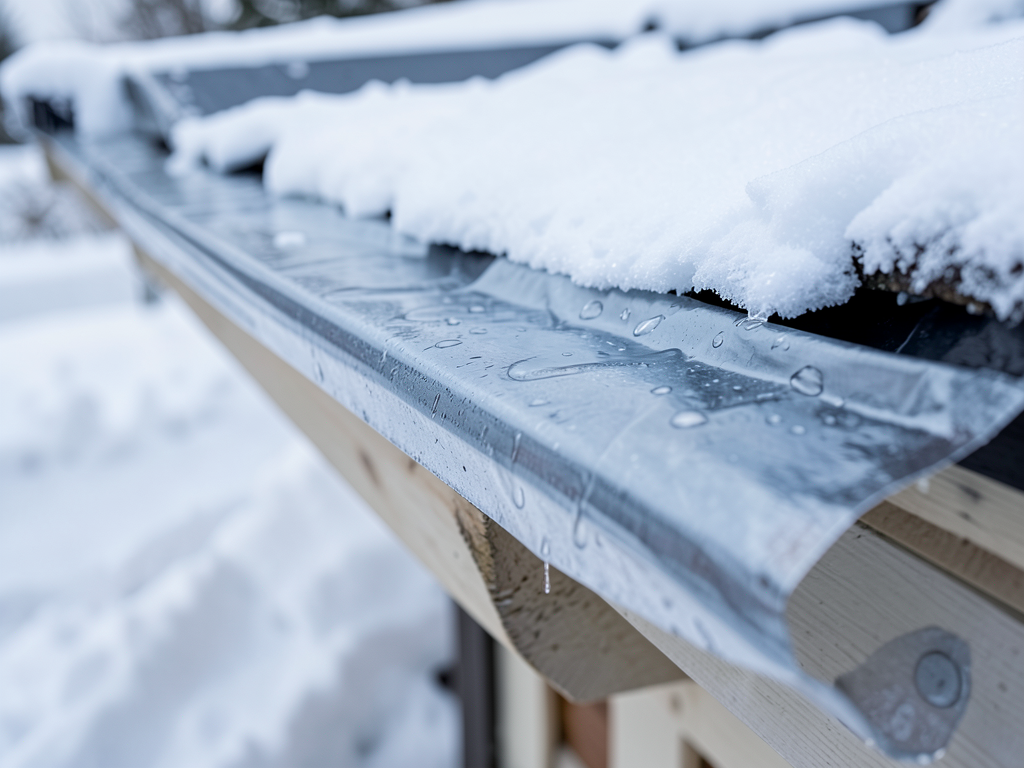
The Michigan Residential Code requires ice and water shield installation in valleys and along eaves where ice dams commonly form. This rubberized asphalt membrane bonds at temperatures as low as 20°F, providing immediate waterproof protection even before shingles seal. Detroit building inspectors understand these cold-weather requirements and adjust their inspection schedules accordingly during winter months. Michigan Residential Code.
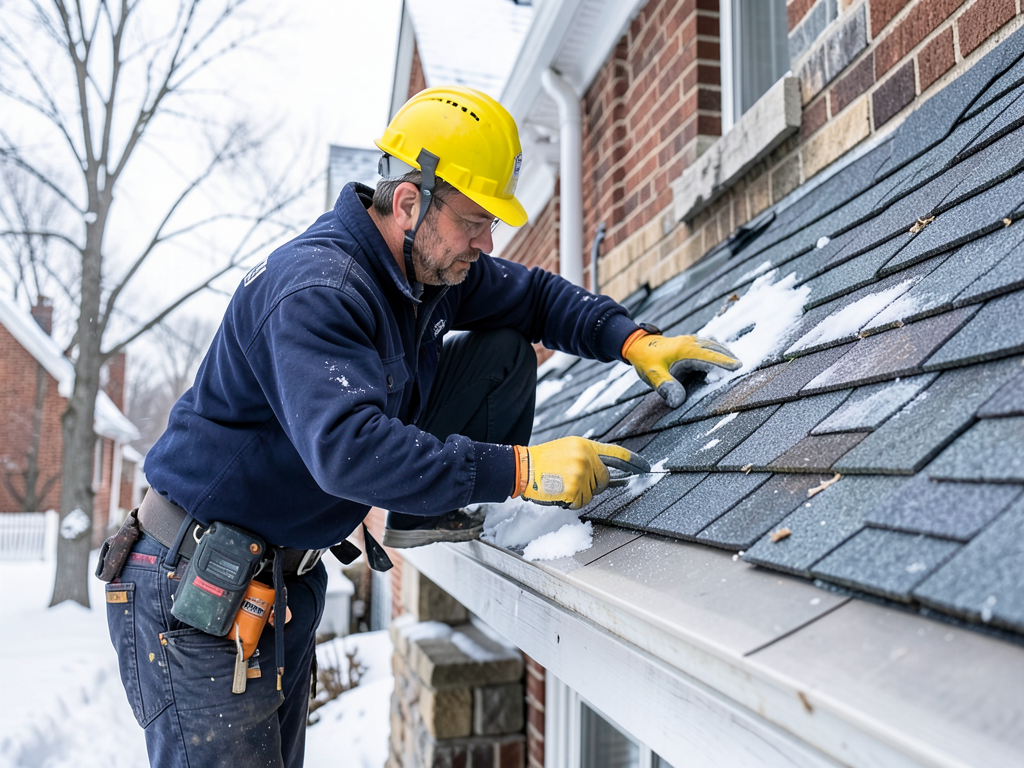
Hand-nailing becomes essential when temperatures drop below 30°F. Pneumatic nail guns can shatter brittle shingles, creating weak points that lead to leaks. Professional crews switch to hand-nailing with galvanized roofing nails, taking extra time to ensure each shingle lies flat against the deck. This method actually creates a more durable installation than rushed summer work during heat waves. Spray Foam Roofing.
Detroit-Specific Challenges: Ice Dams and Lake Effect Snow
Detroit’s unique geography creates roofing challenges you won’t find in warmer climates. The city sits in a transition zone between Lake Michigan’s western influence and Lake Erie’s eastern effects, creating unpredictable snow patterns. Palmer Park neighborhoods often receive 2-3 inches more snow than areas just five miles away due to localized Lake Effect bands.
Ice dam formation represents the biggest winter roofing threat in Detroit. When heat escapes through attic bypasses, snow melts on the roof surface then refreezes at the colder eaves. This creates standing water that backs up under shingles. The Michigan Residential Code Section R905.2.7 specifically requires ice barrier membranes extending from the eave edge up the roof slope a distance of at least 24 inches inside the exterior wall line.
Detroit’s freeze-thaw cycles cause expansion and contraction that stress roofing materials. A typical winter sees temperatures swing from 30°F to 15°F within 24 hours, creating movement in roof decking and fasteners. Quality installations account for this by using longer nails and allowing proper spacing between shingle courses. Homes in historic districts like Indian Village require extra attention since many have original wood decking that’s more susceptible to moisture damage. Getting Your Historic Roof Restored in Indian Village the Right Way.
The Benefits of Winter Roofing in Michigan
Winter roofing in Detroit offers several advantages that offset the cold-weather challenges. First, scheduling becomes much easier since most homeowners wait until spring. You can often get your roof replaced in days rather than waiting weeks or months during peak season. This faster turnaround means less time with tarps protecting your home from the elements.
Off-season pricing represents another significant benefit. Many Detroit roofing companies offer 10-15% discounts during winter months to keep crews working year-round. These savings can offset the slightly higher material costs for cold-weather accessories like ice and water shield and synthetic underlayment. Some manufacturers even offer winter installation rebates to encourage off-season work.
Emergency protection becomes immediate with winter installations. If your roof has active leaks causing interior damage, a winter replacement stops water infiltration right away. The ice and water shield provides instant waterproofing while shingles seal over the following weeks as temperatures moderate. This approach prevents the mold growth and structural damage that occurs when leaks persist through multiple freeze-thaw cycles.
Technical Process: Hand-Nailing vs. Power-Nailing in Cold Weather
Temperature directly affects how roofers install shingles. Above 40°F, self-sealing strips activate within 24 hours, creating the wind-resistant seal homeowners expect. Between 30-40°F, crews use specialized cold-weather adhesives applied manually to each shingle. Below 30°F, hand-nailing becomes mandatory to prevent material damage and ensure proper fastening.
The hand-nailing process requires specific technique adjustments. Roofers must strike each nail with controlled force to avoid cracking the fiberglass mat in asphalt shingles. They typically use 1-1/4 inch galvanized roofing nails instead of standard 1-inch nails, providing extra grip in the wood deck. Each shingle requires four nails placed according to manufacturer specifications, with the nails driven straight rather than angled.
Synthetic underlayment replaces traditional felt paper in cold weather installations. Unlike felt, synthetic materials remain flexible at temperatures down to 0°F and provide better traction for walking. They also resist UV damage if the project extends beyond expected timelines. Most Detroit contractors now use synthetic underlayment year-round due to its superior performance and the fact that it meets or exceeds Michigan Residential Code requirements for secondary water barriers.
Safety Protocols for Detroit Roofers
Working on icy roofs requires strict safety protocols that exceed standard summer practices. OSHA mandates fall protection when workers are within 6 feet of roof edges, but Detroit crews typically use 100% tie-off policies during winter months. This means every worker wears a full-body harness connected to anchor points rated for 5,000 pounds. OSHA Cold Stress Guide.
Snow removal becomes the first step in any winter roofing project. Crews use plastic shovels to clear snow without damaging shingles or underlayment. They never use metal tools that could puncture roofing materials. The removed snow often gets piled on the ground nearby, creating temporary storage that requires careful placement to avoid blocking access or creating trip hazards.
Cold stress prevention represents another critical safety consideration. Workers must take regular breaks in heated areas to prevent hypothermia and frostbite. They wear multiple layers of moisture-wicking clothing and use chemical hand warmers in gloves. Detroit’s humidity, even in winter, means workers can become dehydrated quickly, so hydration stations remain mandatory on every job site regardless of outdoor temperature.
Frequently Asked Questions
Does winter roof installation cost more in Detroit?
Winter installations typically cost 10-15% less than peak season pricing due to off-season discounts. However, you might pay slightly more for cold-weather materials like ice and water shield and synthetic underlayment. The total cost usually balances out to be comparable or slightly lower than summer installations.
Will my roof warranty be valid if installed in winter?
Yes, major manufacturers like GAF, CertainTeed, and Owens Corning honor warranties for winter installations when proper cold-weather techniques are used. The key is ensuring the installation meets manufacturer specifications for temperature ranges and fastening methods. Your contractor should provide documentation showing compliance with these requirements.
How long does a winter roof replacement take in Detroit?
Most residential roof replacements take 1-2 days in winter, similar to summer timelines. However, weather delays can extend the project if snowstorms occur during installation. Professional crews monitor weather forecasts and schedule work during predicted clear windows, often working longer hours when conditions allow.
Can I install just part of my roof in winter?
Partial replacements are possible but often not recommended. Different sections of your roof age at different rates, and patching one area while leaving others vulnerable can lead to mismatched materials and ongoing leak points. A full replacement ensures uniform protection and typically costs less per square foot than multiple partial jobs.
What if it snows during installation?
Professional crews tarp the exposed roof area immediately if snow begins during installation. They then wait for the storm to pass before removing tarps and continuing work. This approach protects your home’s interior while ensuring proper installation conditions. Most Detroit contractors include weather contingency time in their winter project schedules.
Winter Installation Checklist for Detroit Homeowners
- Verify Contractor Credentials
Ensure your roofing contractor holds Michigan Residential Builder’s License and carries proper insurance for winter work. Ask about their experience with cold-weather installations specifically in the Detroit area.
- Check Weather Windows
Discuss the forecast with your contractor and identify optimal installation windows. Quality crews monitor weather patterns and schedule work during periods when temperatures stay above 30°F for at least 48 hours.
- Confirm Material Specifications
Verify that your contractor plans to use ice and water shield, synthetic underlayment, and cold-weather adhesives. These materials cost more but provide essential protection during Detroit’s freeze-thaw cycles.
- Establish Communication Protocol
Set up a system for receiving weather delay notifications and project updates. Good contractors provide daily progress reports and clear timelines for completion.
- Prepare Your Property
Clear driveways and walkways to allow equipment access. Move vehicles away from the house and protect landscaping near the foundation from falling debris.
Emergency Winter Roofing Services in Detroit
Sometimes winter roof replacement becomes urgent due to active leaks or storm damage. Detroit homeowners facing emergency situations should prioritize immediate protection over waiting for ideal conditions. Emergency tarping services can provide temporary protection while permanent repairs are scheduled during the next weather window.
Insurance companies often cover emergency winter repairs if damage threatens your home’s structure or creates safety hazards. Document all damage with photos and contact your insurance provider before authorizing permanent repairs. Many Detroit roofing companies work directly with insurance adjusters and can provide detailed damage assessments that support your claim.
Peak Roofing Detroit offers 24/7 emergency response for winter roof failures. Our crews carry specialized equipment for immediate leak containment and can typically respond within hours of your call. We understand that Detroit winters wait for no one, and we’re prepared to protect your home when temperatures plummet and snow piles up.
Making the Right Decision for Your Detroit Home
The question isn’t whether winter roof installation is possible in Detroit, but whether it’s the right choice for your specific situation. Homes with active leaks, those in historic districts requiring immediate preservation work, or properties facing spring selling deadlines often benefit most from winter replacement.
Consider your home’s age and current roof condition. A 20-year-old roof showing multiple failure points probably shouldn’t wait until spring, especially if you’ve experienced ice dam formation. The cost of interior water damage typically exceeds any winter installation premium within the first year of delay.
Detroit’s building inspectors remain active year-round, and winter installations receive the same scrutiny as summer projects. This means your new roof meets all Michigan Residential Code requirements regardless of when it’s installed. The key is choosing a contractor who understands local requirements and has proven experience with cold-weather techniques.
Don’t let winter weather intimidate you into making rushed decisions about your roof. Understanding the technical requirements, knowing what questions to ask, and choosing the right contractor makes winter installation a viable option that many Detroit homeowners find surprisingly advantageous.
Call (313) 604-2233 today to schedule your winter roof inspection. Our experienced Detroit crews are ready to evaluate your specific situation and recommend the best timing for your roof replacement. Don’t wait until spring when everyone else is rushing to get their projects done. Take control of your roofing timeline now and enjoy the benefits of off-season pricing and faster scheduling.
Pick up the phone and call (313) 604-2233 before the next storm hits. Whether you need emergency repairs or are planning a full replacement, we’re here to provide expert guidance and quality workmanship that stands up to Detroit’s harshest winter conditions. Your home deserves protection now, not months from now when the damage could be much worse.
{
“@context”: “https://schema.org”,
“@type”: “BlogPosting”,
“headline”: “Installing a New Roof in the Middle of a Michigan Winter (Is it Actually a Good Idea?)”,
“description”: “Thinking about a winter roof replacement in Detroit? Learn the cold-weather facts, local codes, and why January might actually be your best month to get it done.”,
“wordCount”: 2053,
“datePublished”: “2026-05-16T13:45:00.000Z”,
“dateModified”: “2026-05-16T13:45:00.000Z”,
“inLanguage”: “en-US”,
“mainEntityOfPage”: {
“@type”: “WebPage”,
“@id”: “https://peakroofingdetroit.com”
},
“publisher”: {
“@type”: “LocalBusiness”,
“name”: “Peak Roofing Detroit”,
“url”: “https://peakroofingdetroit.com”
},
“author”: {
“@type”: “Organization”,
“name”: “Peak Roofing Detroit”,
“url”: “https://peakroofingdetroit.com”
},
“image”: {
“@type”: “ImageObject”,
“url”: “https://peakroofingdetroit.com/wp-content/uploads/2026/03/installing-a-new-roof-in-the-middle-of-a-michigan-1.png”
}
}
{
“@context”: “https://schema.org”,
“@type”: “RoofingContractor”,
“name”: “Peak Roofing Detroit”,
“url”: “https://peakroofingdetroit.com”,
“address”: {
“@type”: “PostalAddress”,
“addressLocality”: “Detroit”
},
“areaServed”: {
“@type”: “City”,
“name”: “Detroit”
}
}
{
“@context”: “https://schema.org”,
“@type”: “FAQPage”,
“mainEntity”: [
{
“@type”: “Question”,
“name”: “Does winter roof installation cost more in Detroit?”,
“acceptedAnswer”: {
“@type”: “Answer”,
“text”: “Winter installations typically cost 10-15% less than peak season pricing due to off-season discounts. However, you might pay slightly more for cold-weather materials like ice and water shield and synthetic underlayment. The total cost usually balances out to be comparable or slightly lower than summer installations.”
}
},
{
“@type”: “Question”,
“name”: “Will my roof warranty be valid if installed in winter?”,
“acceptedAnswer”: {
“@type”: “Answer”,
“text”: “Yes, major manufacturers like GAF, CertainTeed, and Owens Corning honor warranties for winter installations when proper cold-weather techniques are used. The key is ensuring the installation meets manufacturer specifications for temperature ranges and fastening methods. Your contractor should provide documentation showing compliance with these requirements.”
}
},
{
“@type”: “Question”,
“name”: “How long does a winter roof replacement take in Detroit?”,
“acceptedAnswer”: {
“@type”: “Answer”,
“text”: “Most residential roof replacements take 1-2 days in winter, similar to summer timelines. However, weather delays can extend the project if snowstorms occur during installation. Professional crews monitor weather forecasts and schedule work during predicted clear windows, often working longer hours when conditions allow.”
}
},
{
“@type”: “Question”,
“name”: “Can I install just part of my roof in winter?”,
“acceptedAnswer”: {
“@type”: “Answer”,
“text”: “Partial replacements are possible but often not recommended. Different sections of your roof age at different rates, and patching one area while leaving others vulnerable can lead to mismatched materials and ongoing leak points. A full replacement ensures uniform protection and typically costs less per square foot than multiple partial jobs.”
}
},
{
“@type”: “Question”,
“name”: “What if it snows during installation?”,
“acceptedAnswer”: {
“@type”: “Answer”,
“text”: “Professional crews tarp the exposed roof area immediately if snow begins during installation. They then wait for the storm to pass before removing tarps and continuing work. This approach protects your home’s interior while ensuring proper installation conditions. Most Detroit contractors include weather contingency time in their winter project schedules.”
}
}
]
}
{
“@context”: “https://schema.org”,
“@type”: “HowTo”,
“name”: “Winter Roof Installation Checklist”,
“step”: [
{
“@type”: “HowToStep”,
“position”: 1,
“name”: “Verify Contractor Credentials”,
“text”: “Ensure your roofing contractor holds Michigan Residential Builder’s License and carries proper insurance for winter work. Ask about their experience with cold-weather installations specifically in the Detroit area.”
},
{
“@type”: “HowToStep”,
“position”: 2,
“name”: “Check Weather Windows”,
“text”: “Discuss the forecast with your contractor and identify optimal installation windows. Quality crews monitor weather patterns and schedule work during periods when temperatures stay above 30°F for at least 48 hours.”
},
{
“@type”: “HowToStep”,
“position”: 3,
“name”: “Confirm Material Specifications”,
“text”: “Verify that your contractor plans to use ice and water shield, synthetic underlayment, and cold-weather adhesives. These materials cost more but provide essential protection during Detroit’s freeze-thaw cycles.”
},
{
“@type”: “HowToStep”,
“position”: 4,
“name”: “Establish Communication Protocol”,
“text”: “Set up a system for receiving weather delay notifications and project updates. Good contractors provide daily progress reports and clear timelines for completion.”
},
{
“@type”: “HowToStep”,
“position”: 5,
“name”: “Prepare Your Property”,
“text”: “Clear driveways and walkways to allow equipment access. Move vehicles away from the house and protect landscaping near the foundation from falling debris.”
}
],
“image”: “https://peakroofingdetroit.com/wp-content/uploads/2026/03/installing-a-new-roof-in-the-middle-of-a-michigan-1.png”
}
{
“@context”: “https://schema.org”,
“@type”: “BreadcrumbList”,
“itemListElement”: [
{
“@type”: “ListItem”,
“position”: 1,
“name”: “Home”,
“item”: “https://peakroofingdetroit.com”
},
{
“@type”: “ListItem”,
“position”: 2,
“name”: “Blog”,
“item”: “https://peakroofingdetroit.com/blog”
},
{
“@type”: “ListItem”,
“position”: 3,
“name”: “Installing a New Roof in the Middle of a Michigan Winter (Is it Actually a Good Idea?)”
}
]
}
{
“@context”: “https://schema.org”,
“@type”: “Service”,
“serviceType”: “Roofing”,
“provider”: {
“@type”: “LocalBusiness”,
“name”: “Peak Roofing Detroit”,
“url”: “https://peakroofingdetroit.com”
},
“areaServed”: {
“@type”: “City”,
“name”: “Detroit”
},
“description”: “Thinking about a winter roof replacement in Detroit? Learn the cold-weather facts, local codes, and why January might actually be your best month to get it done.”
}