
Fixing the Water Runoff Issues on Your Steeply Pitched Rochester Hills Roof
If you live in Rochester Hills and have a steeply pitched roof, you know the constant battle with water runoff. High-pitched roofs send water cascading down at incredible speeds, often overwhelming standard gutters and causing damage to your home’s foundation, siding, and landscaping. The freeze-thaw cycles we experience here in Oakland County make these problems even worse, with ice dams forming in valleys and along eaves.
Understanding the physics of steep-slope runoff is the first step to solving these issues. Water traveling down a 12:12 pitch roof can reach speeds of over 20 miles per hour, easily bypassing standard 5-inch gutters. This creates a perfect storm for water damage, especially during our heavy spring rains and rapid snowmelts common in Rochester Hills.
The solution isn’t just about bigger gutters. It’s about a complete drainage system that includes high-capacity gutters, properly sized downspouts, ice and water shield underlayment, and strategic flashing placement. Let’s break down each component and how it addresses the specific challenges Rochester Hills homeowners face. Roof Cricket Drainage Issues.
The Science of Steep Slope Runoff
Water behaves differently on steep slopes than on standard roofs. The velocity increases exponentially with pitch, creating what roofing professionals call “gutter bypass” or “overshoot.” On a 12:12 pitch, water can travel three times faster than on a 6:12 pitch, meaning your drainage system needs to handle three times the volume in the same amount of time. Spray Foam Roofing.
This high-velocity water creates tremendous pressure on your gutter system. Standard residential gutters are designed for moderate rainfall on 4:12 to 6:12 pitch roofs. When you increase both the pitch and the water volume from snow melt, you need a completely different approach.
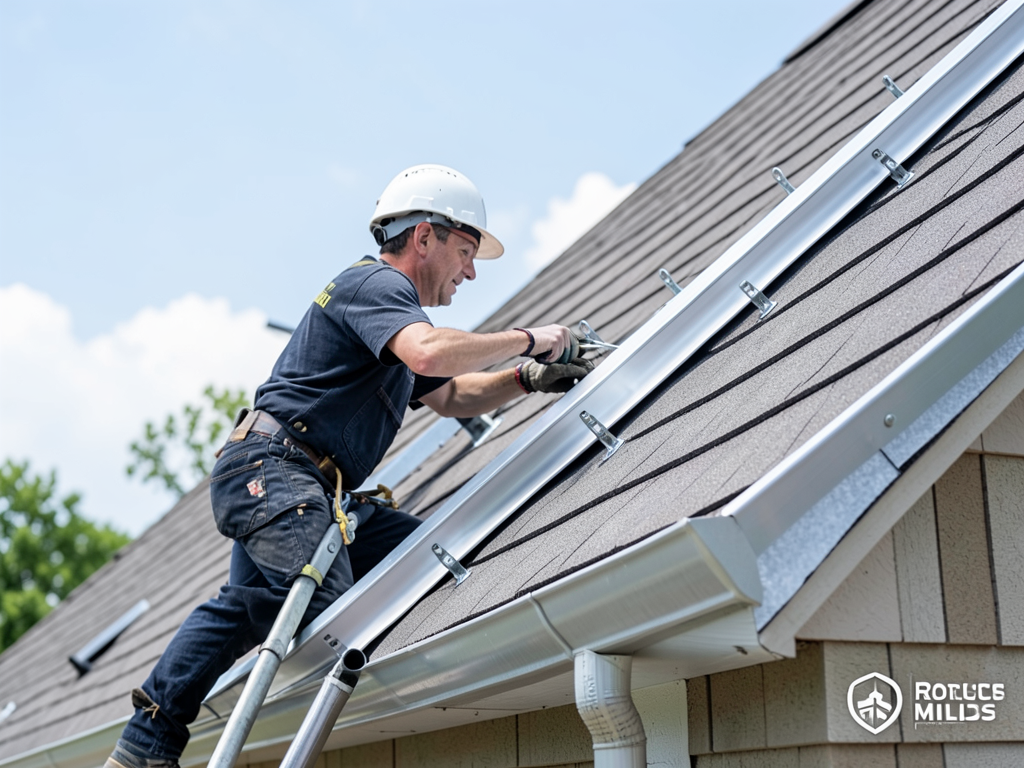
Water velocity also affects where it exits the roof. On steep pitches, water tends to shoot out from the bottom edge rather than following the curve of a standard gutter. This is why many Rochester Hills homes with steep roofs have water pouring directly onto their foundation, even when gutters appear to be properly installed.
Essential Components for High-Pitch Drainage
High-Capacity Gutter Systems
Standard 5-inch K-style gutters simply cannot handle the volume of water on steep slopes. The solution is 6-inch or even 7-inch commercial-grade gutters. These larger gutters increase capacity by 40% to 60% over standard sizes.
The material matters too. Heavy-duty aluminum (.032-inch thickness vs standard .024-inch) resists warping from ice and snow loads. Seamless gutters eliminate weak points where leaks typically develop. The hangers need to be spaced every 24 inches instead of the standard 32 inches to support the increased weight of water and ice.
Consider the profile as well. Half-round gutters actually handle high-volume water better than K-style because they have no flat back where water can pool and freeze. However, they require special brackets and cost more to install.
Strategic Downspout Placement and Sizing
Even the largest gutters fail if the downspouts can’t keep up. For steep pitches, you need one downspout for every 30 to 40 feet of gutter, not the standard 50 feet. Each downspout should be at least 3×4 inches, not the standard 2×3 inches.
The placement is critical. Downspouts should be located at the lowest points of your roof valleys, not just at the corners. This ensures water is captured before it can overshoot the gutter. In Rochester Hills, where we get heavy snow, downspouts should extend at least 6 feet from the foundation to prevent ice buildup against the house.
Drip Edge and Ice/Water Shield Specifications
The Michigan Residential Code requires ice and water shield on all roof edges in Oakland County. For steep pitches, this means a minimum of 24 inches up from the eave edge, or two layers of underlayment if your roof slope is less than 4:12.
Drip edge installation is equally important. The drip edge should extend at least 3/4 inch beyond the fascia to ensure water drips into the gutter, not behind it. This small detail prevents the “gutter bypass” that plagues so many Rochester Hills homes.
Ice and water shield should also be installed in all valleys, around chimneys, and at any roof penetrations. On steep slopes, valleys become high-velocity water channels that can easily overwhelm standard flashing.
Kick-out Flashing: The Unsung Hero
Kick-out flashing is a small but critical component that directs water away from wall intersections. Without it, water running down a steep roof simply runs behind your siding, causing rot and mold. The flashing should extend at least 4 inches up the wall and direct water at least 2 inches away from the siding.
This is especially important in Rochester Hills where many homes have brick or stone veneer siding. Water trapped behind these materials can cause extensive damage before you even notice a problem.
Detroit Weather Considerations
Rochester Hills sits in a unique weather zone where Lake Michigan’s influence meets the continental climate. This creates conditions perfect for ice dam formation on steep roofs. When snow melts during the day and refreezes at night, it creates ice dams that force water under shingles and into your home.
The freeze-thaw cycle is particularly brutal here. Water seeps into tiny cracks in your roofing materials during warm spells, then expands when it freezes, widening those cracks. Over time, this can destroy even the best roofing systems. Roofing Detroit.
Heavy snow loads add another dimension to the problem. A foot of wet snow on a steep roof can weigh over 20 pounds per square foot. This weight, combined with the expansion of melting snow, can cause gutters to pull away from the fascia or even collapse.
Wind patterns in Oakland County also affect drainage. Prevailing west winds can drive rain up under improperly installed flashing, while winter winds can create snow drifts that block roof vents and create uneven melting patterns.
Maintenance and Upgrades
Even the best drainage system needs regular maintenance. In Rochester Hills, you should clean your gutters at least twice a year – once in late spring after the seed pods fall, and again in late fall after the leaves drop. If you have pine trees nearby, you may need quarterly cleaning.
Gutter guards can help, but not all guards work well with steep pitches. Reverse curve guards often fail because the high-velocity water simply shoots over them. Mesh guards work better, but need to be the heavy-duty type that can support ice and snow loads.
Consider subterranean drainage for areas where surface drainage isn’t enough. French drains can carry water away from problem areas, while underground bubblers can distribute roof runoff across a larger area, preventing erosion and foundation damage.
Annual inspections are crucial. Look for signs of wear like sagging gutters, separated seams, or water stains on your siding. These are early warning signs that your system needs attention before major damage occurs. Signs You Need a New Roof.
Cost Considerations and ROI
Upgrading to a high-capacity drainage system for a steep-pitched roof typically costs 40% to 60% more than standard gutter installation. For a typical Rochester Hills home, expect to invest between $3,500 and $6,000 for a complete system.
However, the return on investment is substantial. Preventing just one major water damage incident can save you $10,000 to $20,000 in repairs. Plus, you’ll avoid the ongoing costs of foundation repairs, siding replacement, and landscape restoration that come from chronic water problems.
Energy efficiency is another factor. Proper drainage prevents ice dams that can cause heat loss through your roof. This can reduce your heating bills by 5% to 10% during our long Michigan winters.
Common Mistakes to Avoid
One of the biggest mistakes is undersizing downspouts. Many contractors install standard 2×3 inch downspouts with 6-inch gutters, creating a bottleneck that renders the larger gutters useless.
Another common error is improper hanger spacing. Hangers every 32 inches might work for standard roofs, but on steep pitches with heavy snow loads, they need to be every 24 inches to prevent sagging and separation.
Ignoring the importance of proper pitch is also problematic. Gutters need a minimum 1/4 inch drop per 10 feet of run to drain properly. On long runs, this can mean a 1.5-inch difference in height from one end to the other.
Finally, many homeowners try to solve drainage problems with gutter extensions alone. While extensions help, they don’t address the fundamental issue of water velocity and volume on steep slopes.
Choosing the Right Contractor
Not all roofing contractors understand the unique challenges of steep-slope drainage in Rochester Hills. Look for contractors who are certified by the National Roofing Contractors Association and have specific experience with high-pitch installations. National Roofing Contractors Association.
Ask about their experience with local building codes. In Oakland County, ice and water shield requirements vary by municipality, and a knowledgeable contractor will know the specific requirements for Rochester Hills.
Request references from homeowners with similar steep-pitched roofs. Ask to see examples of their work on homes in your area, particularly those with complex rooflines or multiple valleys.
Finally, ensure they provide detailed specifications in writing. A professional contractor will specify exact gutter sizes, downspout dimensions, ice and water shield coverage, and installation methods.
Emergency Situations
Sometimes drainage problems become emergencies, especially during severe storms or rapid snowmelts. If you notice water pouring over your gutters or see ice dams forming, act quickly to prevent interior damage.
Never attempt to remove ice dams yourself. The combination of steep pitch and ice makes this extremely dangerous. Instead, use calcium chloride ice melt products in socks or pantyhose to create channels for water to drain.
For immediate water diversion, you can temporarily attach plastic sheeting from the roof edge to direct water away from vulnerable areas. This should only be a temporary measure until professional repairs can be made.
Keep the phone number of a reliable roofing contractor handy. Water damage can escalate quickly, and having professional help available can mean the difference between a minor repair and major renovation. Roofing Grosse Pointe Park.
Future-Proofing Your System
As climate patterns change, we’re seeing more extreme weather events in Southeast Michigan. This means your drainage system needs to handle not just normal rainfall, but also the occasional 100-year storm.
Consider installing a smart drainage monitoring system that alerts you to clogs or overflow conditions. These systems can save thousands in potential damage by giving you early warning of problems.
Plan for roof maintenance as your roof ages. Even the best drainage system won’t help if your shingles are failing. A 20-year-old roof on a steep pitch may need replacement just to maintain proper water shedding characteristics.
Finally, think about landscaping integration. Your drainage system should work with your property’s grading and landscaping to move water away from your foundation effectively. This might mean regrading certain areas or installing dry creek beds to handle overflow.
Don’t let water runoff issues damage your Rochester Hills home. The combination of steep pitches, harsh Michigan weather, and aging homes creates a perfect storm for drainage problems. But with the right system design and professional installation, you can protect your home for decades to come.
Ready to solve your steep-slope drainage problems? Call (313) 604-2233 today to schedule your inspection. Our team understands the unique challenges Rochester Hills homeowners face and can design a custom drainage solution that actually works. Don’t wait for the next big storm to find out your system isn’t up to the task.
Frequently Asked Questions
How do I know if my steep roof has drainage problems?
Signs include water pouring over gutters during rain, ice dams in winter, water stains on siding, erosion around foundation, and gutters pulling away from the fascia. If you notice any of these issues, your drainage system needs attention.
Are bigger gutters always better for steep roofs?
Not necessarily. While 6-inch gutters are usually needed, the entire system must be properly designed. Oversized gutters with undersized downspouts or improper hanger spacing won’t solve the problem. The key is matching all components to your specific roof pitch and local weather conditions.
How often should steep roof drainage systems be inspected?
Professional inspection annually, with homeowner checks each season. Pay special attention after heavy storms or rapid snowmelts. Look for signs of overflow, ice dam formation, or structural stress on your gutter system.
Can I install a steep roof drainage system myself?
While DIY installation is possible, steep roofs require specialized equipment and knowledge of local building codes. The risk of falls and the complexity of proper system design make professional installation the safer and more reliable choice for most homeowners.
What’s the lifespan of a properly installed steep roof drainage system?
With proper installation and maintenance, a high-quality system should last 20-30 years. However, factors like severe weather, tree coverage, and roof age can affect longevity. Regular inspections help identify when replacement is needed. For more information, visit Environmental Protection Agency.
{
“@context”: “https://schema.org”,
“@type”: “BlogPosting”,
“headline”: “Fixing the Water Runoff Issues on Your Steeply Pitched Rochester Hills Roof”,
“description”: “Steep roofs in Rochester Hills face unique drainage challenges. Learn how high-capacity gutters, ice shields, and proper flashing prevent water damage and ice dams.”,
“wordCount”: 2148,
“datePublished”: “2026-05-12T06:20:00.000Z”,
“dateModified”: “2026-05-12T06:20:00.000Z”,
“inLanguage”: “en-US”,
“mainEntityOfPage”: {
“@type”: “WebPage”,
“@id”: “https://peakroofingdetroit.com”
},
“publisher”: {
“@type”: “LocalBusiness”,
“name”: “Peak Roofing Detroit”,
“url”: “https://peakroofingdetroit.com”
},
“author”: {
“@type”: “Organization”,
“name”: “Peak Roofing Detroit”,
“url”: “https://peakroofingdetroit.com”
},
“image”: {
“@type”: “ImageObject”,
“url”: “https://peakroofingdetroit.com/wp-content/uploads/2026/03/fixing-the-water-runoff-issues-on-your-steeply-pit-1.png”
}
}
{
“@context”: “https://schema.org”,
“@type”: “RoofingContractor”,
“name”: “Peak Roofing Detroit”,
“url”: “https://peakroofingdetroit.com”,
“address”: {
“@type”: “PostalAddress”,
“addressLocality”: “Detroit”
},
“areaServed”: {
“@type”: “City”,
“name”: “Detroit”
}
}
{
“@context”: “https://schema.org”,
“@type”: “FAQPage”,
“mainEntity”: [
{
“@type”: “Question”,
“name”: “How do I know if my steep roof has drainage problems?”,
“acceptedAnswer”: {
“@type”: “Answer”,
“text”: “Signs include water pouring over gutters during rain, ice dams in winter, water stains on siding, erosion around foundation, and gutters pulling away from the fascia. If you notice any of these issues, your drainage system needs attention.”
}
},
{
“@type”: “Question”,
“name”: “Are bigger gutters always better for steep roofs?”,
“acceptedAnswer”: {
“@type”: “Answer”,
“text”: “Not necessarily. While 6-inch gutters are usually needed, the entire system must be properly designed. Oversized gutters with undersized downspouts or improper hanger spacing won’t solve the problem. The key is matching all components to your specific roof pitch and local weather conditions.”
}
},
{
“@type”: “Question”,
“name”: “How often should steep roof drainage systems be inspected?”,
“acceptedAnswer”: {
“@type”: “Answer”,
“text”: “Professional inspection annually, with homeowner checks each season. Pay special attention after heavy storms or rapid snowmelts. Look for signs of overflow, ice dam formation, or structural stress on your gutter system.”
}
},
{
“@type”: “Question”,
“name”: “Can I install a steep roof drainage system myself?”,
“acceptedAnswer”: {
“@type”: “Answer”,
“text”: “While DIY installation is possible, steep roofs require specialized equipment and knowledge of local building codes. The risk of falls and the complexity of proper system design make professional installation the safer and more reliable choice for most homeowners.”
}
},
{
“@type”: “Question”,
“name”: “What’s the lifespan of a properly installed steep roof drainage system?”,
“acceptedAnswer”: {
“@type”: “Answer”,
“text”: “With proper installation and maintenance, a high-quality system should last 20-30 years. However, factors like severe weather, tree coverage, and roof age can affect longevity. Regular inspections help identify when replacement is needed. For more information, visit Environmental Protection Agency.”
}
}
]
}
{
“@context”: “https://schema.org”,
“@type”: “BreadcrumbList”,
“itemListElement”: [
{
“@type”: “ListItem”,
“position”: 1,
“name”: “Home”,
“item”: “https://peakroofingdetroit.com”
},
{
“@type”: “ListItem”,
“position”: 2,
“name”: “Blog”,
“item”: “https://peakroofingdetroit.com/blog”
},
{
“@type”: “ListItem”,
“position”: 3,
“name”: “Fixing the Water Runoff Issues on Your Steeply Pitched Rochester Hills Roof”
}
]
}
{
“@context”: “https://schema.org”,
“@type”: “Service”,
“serviceType”: “Roofing”,
“provider”: {
“@type”: “LocalBusiness”,
“name”: “Peak Roofing Detroit”,
“url”: “https://peakroofingdetroit.com”
},
“areaServed”: {
“@type”: “City”,
“name”: “Detroit”
},
“description”: “Steep roofs in Rochester Hills face unique drainage challenges. Learn how high-capacity gutters, ice shields, and proper flashing prevent water damage and ice dams.”
}