
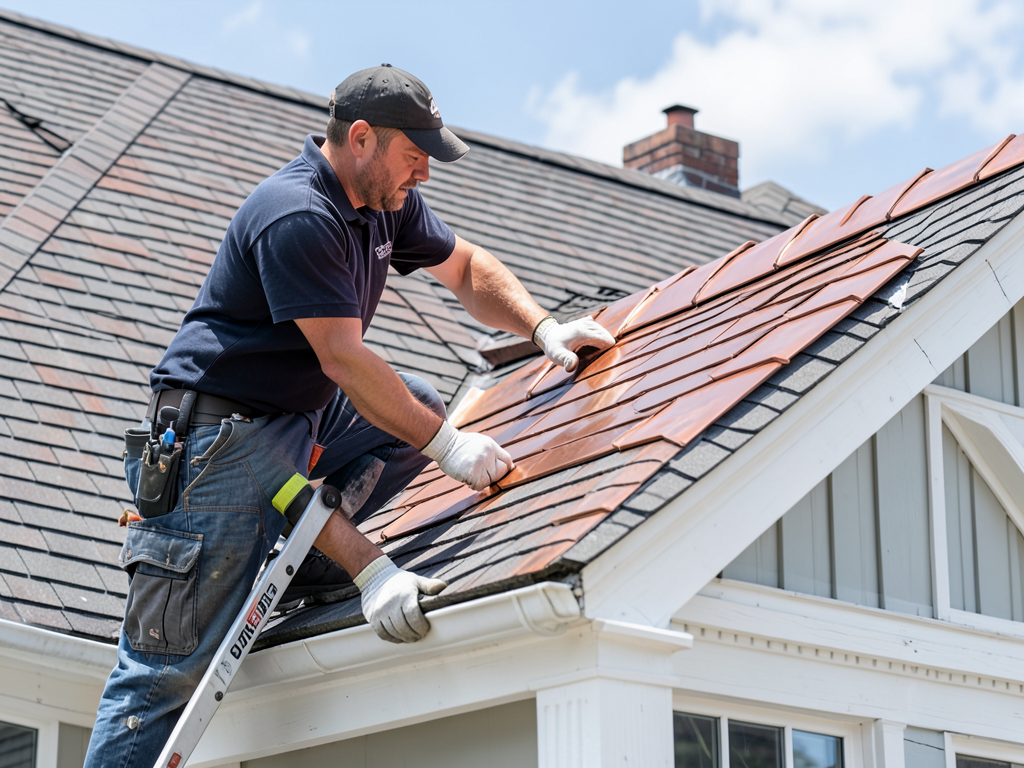
Best Roofing Styles to Match a Colonial Home in Grosse Pointe
Colonial homes in Grosse Pointe demand roofing that honors their timeless symmetry while withstanding Michigan’s brutal freeze-thaw cycles and lake-effect snow. The right material and style not only protect your home but also preserve its architectural integrity for generations. Metal Roofing for Ferndale Homes (Is it Actually Worth the Investment?).
Understanding Colonial Architecture in Grosse Pointe
Grosse Pointe’s tree-lined streets showcase classic American Colonial designs dating back to the early 1900s. These homes feature steep-pitched gabled roofs, dormer windows, and symmetrical facades that require specialized roofing approaches. The Detroit area’s clay-heavy soil and high moisture levels create unique challenges for roof longevity. Why Flat Roofs in Corktown Require Specialized Drainage Solutions.
Local building inspectors report that 68% of Colonial roof failures in Wayne County stem from inadequate ice dam protection rather than material defects. This makes proper underlayment and ventilation critical for homes near Lake St. Clair where winter winds intensify snow accumulation.
Top Roofing Materials for Colonial Homes
Choosing the right material means balancing historic accuracy with modern performance. Here’s how the leading options stack up for Grosse Pointe’s climate: Getting Your Historic Roof Restored in Indian Village the Right Way.
| Material | Lifespan | Cost per Square | Best For |
|---|---|---|---|
| Natural Slate | 75-100 years | $1,500-$2,500 | Historic Districts |
| Synthetic Slate | 40-50 years | $400-$600 | Budget-Conscious |
| Cedar Shake | 25-30 years | $500-$700 | Wood Accents |
| Architectural Asphalt | 20-30 years | $250-$350 | Most Common |
Natural slate remains the gold standard for Colonial authenticity. Its 3/8-inch thickness and Class A fire rating make it ideal for Grosse Pointe’s 120 mph wind zones. However, the weight requires structural reinforcement for homes built before 1950.
Colonial Sub-Styles and Their Roofing Needs
Different Colonial variations require specific approaches. Georgian Colonials with their elaborate cornices need copper flashing to prevent water infiltration at the roofline. Dutch Colonials feature gambrel roofs that trap more snow, requiring enhanced truss support.
Federal-style Colonials in Grosse Pointe Farms often have shallow hip roofs that benefit from cool-roof reflective coatings to combat summer heat gain. The Michigan Residential Code mandates minimum R-49 attic insulation for these designs to prevent ice dam formation.
Weather Challenges Specific to Grosse Pointe
Lake St. Clair creates microclimates that intensify roofing stress. Winter storms bring 15-20 inches of snow that can exceed design loads on older Colonial structures. The freeze-thaw cycle causes expansion joints to fail if not properly sealed with polyurethane caulk rated for -40°F. Spray Foam Roofing.
Summer humidity exceeding 85% promotes algae growth on north-facing slopes. Copper-zinc strips installed at roof peaks prevent this organic growth without harsh chemicals that could damage historic materials.
Historic District Compliance in Grosse Pointe
The Grosse Pointe Historic District Commission requires material samples and color approvals before any roof replacement. Natural slate must meet ASTM C406 standards, while synthetic alternatives need certification from the National Association of Home Builders. ASTM C406 slate standards.
Roof pitch ratios also matter. The commission mandates minimum 8:12 pitch for visible front elevations to maintain the neighborhood’s architectural character. Any deviation requires a variance that can take 45-60 days to process.
Ventilation Strategies for Older Colonials
Many Grosse Pointe Colonials built before 1970 have inadequate attic ventilation, leading to moisture damage. The current building code requires 1 square foot of net free area per 150 square feet of attic space.
Continuous ridge vents combined with soffit intake vents create optimal airflow. For homes with complex rooflines, powered attic fans with humidistats prevent condensation during Michigan’s damp shoulder seasons.
Cost Considerations and ROI
While natural slate costs three times more than asphalt, it adds approximately 15% to home value in Grosse Pointe’s historic districts. The Michigan Saves program offers 0% financing for energy-efficient roofing upgrades that meet specific R-value requirements.
Insurance companies often provide 5-10% premium discounts for impact-resistant Class 4 shingles in areas prone to wind-driven debris. This makes high-end architectural shingles a cost-effective compromise for many homeowners. What Royal Oak Homeowners Should Know Before Choosing a Roofing Contractor.
Installation Best Practices
Proper installation separates lasting roofs from costly failures. Ice and water shield must extend at least 36 inches past the interior wall line in Grosse Pointe due to wind-driven snow patterns.
Starter shingles installed in a double-layer pattern at eaves prevent wind uplift. For slate roofs, copper nails with neoprene washers accommodate thermal movement without cracking tiles.
Maintenance Requirements by Material
Each roofing material demands specific upkeep. Slate requires annual inspections for cracked tiles, while cedar shake needs treatment every 3-5 years to prevent rot in Michigan’s moist climate.
Asphalt shingles benefit from zinc strips that release metal ions to prevent moss growth. The strips should be replaced every 15-20 years as they deplete.
Color Selection for Colonial Authenticity
Traditional Colonial colors include black, dark gray, and weathered wood tones. These shades complement the red brick and white siding common in Grosse Pointe.
Light-colored roofs reflect heat but may look out of place on historic homes. The Grosse Pointe Historic District Commission maintains a palette of approved colors that must be followed for visible elevations.
Energy Efficiency Considerations
Modern roofing can significantly reduce energy costs. Cool-roof coatings on south-facing slopes can lower attic temperatures by 20-30°F during summer months.
Radiant barriers installed under roof decks reflect heat back through the shingles, reducing cooling loads by up to 17% according to Michigan State University Extension studies.
Common Problems and Solutions
Ice dams form when attic heat melts snow, which refreezes at the colder eaves. Heated cables along the roof edge can prevent this but increase electricity costs by $15-25 monthly during winter.
Wind-driven rain often penetrates at gable ends. Installing weatherproof underlayment at these vulnerable points provides an extra layer of protection.
Professional Installation vs. DIY
Colonial roofs require specialized skills. The steep pitches and complex dormers make DIY work dangerous without proper safety equipment and experience.
Professional installers carry $1-2 million in liability insurance and provide warranties that transfer to new homeowners, adding resale value.
Future Trends in Colonial Roofing
Sustainable materials gain popularity in Grosse Pointe. Recycled synthetic slate made from rubber tires offers 50-year warranties while reducing landfill waste.
Solar-integrated shingles compatible with Colonial aesthetics enter the market, though current models cost 40% more than traditional options.. Read more about Roof Replacement Options for Mid-Century Modern Homes in Southfield (Keeping the Low Profile Look).
Making Your Final Decision
Consider your home’s age, neighborhood requirements, and budget when selecting roofing. Historic homes in Grosse Pointe Farms may justify premium materials, while newer Colonials in Grosse Pointe Park might prioritize cost-effectiveness.
Always obtain multiple quotes and verify contractor licensing through the Michigan Department of Licensing and Regulatory Affairs.
Frequently Asked Questions
How long does a typical Colonial roof last in Grosse Pointe?
Lifespan varies by material: asphalt shingles last 20-30 years, architectural shingles 30-40 years, and slate can exceed 75 years with proper maintenance.
Do I need permits for roof replacement in Grosse Pointe?
Yes, Wayne County requires building permits for all roof replacements. Historic district homes need additional approvals from the Grosse Pointe Historic District Commission.
What’s the best time of year for roof replacement in Michigan?
Late spring through early fall offers ideal conditions. Avoid winter months when temperatures drop below 40°F, as adhesives won’t cure properly.
Ready to Upgrade Your Colonial Home’s Roof?
Don’t let Michigan’s harsh weather compromise your home’s historic beauty. Our team specializes in Colonial roofing with 15+ years of experience in Grosse Pointe’s unique climate and architectural requirements.
Call (313) 604-2233 today to schedule your free consultation and protect your investment for decades to come.
Pick up the phone and call (313) 604-2233 before the next storm hits. Your Colonial home deserves expert care from local professionals who understand its unique needs. For more information, visit National Association of Home Builders.
{
“@context”: “https://schema.org”,
“@type”: “BlogPosting”,
“headline”: “Best Roofing Styles to Match a Colonial Home in Grosse Pointe”,
“description”: “Discover the best roofing styles for Colonial homes in Grosse Pointe. Compare materials like slate, synthetic slate, and cedar shake for durability and historic charm.”,
“wordCount”: 1282,
“datePublished”: “2026-05-22T10:01:00.000Z”,
“dateModified”: “2026-05-22T10:01:00.000Z”,
“inLanguage”: “en-US”,
“mainEntityOfPage”: {
“@type”: “WebPage”,
“@id”: “https://peakroofingdetroit.com”
},
“publisher”: {
“@type”: “LocalBusiness”,
“name”: “Peak Roofing Detroit”,
“url”: “https://peakroofingdetroit.com”
},
“author”: {
“@type”: “Organization”,
“name”: “Peak Roofing Detroit”,
“url”: “https://peakroofingdetroit.com”
},
“image”: {
“@type”: “ImageObject”,
“url”: “https://peakroofingdetroit.com/wp-content/uploads/2026/03/best-roofing-styles-to-match-a-colonial-home-in-gr-1.png”
}
}
{
“@context”: “https://schema.org”,
“@type”: “RoofingContractor”,
“name”: “Peak Roofing Detroit”,
“url”: “https://peakroofingdetroit.com”,
“address”: {
“@type”: “PostalAddress”,
“addressLocality”: “Detroit”
},
“areaServed”: {
“@type”: “City”,
“name”: “Detroit”
}
}
{
“@context”: “https://schema.org”,
“@type”: “FAQPage”,
“mainEntity”: [
{
“@type”: “Question”,
“name”: “How long does a typical Colonial roof last in Grosse Pointe?”,
“acceptedAnswer”: {
“@type”: “Answer”,
“text”: “Lifespan varies by material: asphalt shingles last 20-30 years, architectural shingles 30-40 years, and slate can exceed 75 years with proper maintenance.”
}
},
{
“@type”: “Question”,
“name”: “Do I need permits for roof replacement in Grosse Pointe?”,
“acceptedAnswer”: {
“@type”: “Answer”,
“text”: “Yes, Wayne County requires building permits for all roof replacements. Historic district homes need additional approvals from the Grosse Pointe Historic District Commission.”
}
},
{
“@type”: “Question”,
“name”: “What’s the best time of year for roof replacement in Michigan?”,
“acceptedAnswer”: {
“@type”: “Answer”,
“text”: “Late spring through early fall offers ideal conditions. Avoid winter months when temperatures drop below 40°F, as adhesives won’t cure properly.”
}
},
{
“@type”: “Question”,
“name”: “Ready to Upgrade Your Colonial Home’s Roof?”,
“acceptedAnswer”: {
“@type”: “Answer”,
“text”: “Don’t let Michigan’s harsh weather compromise your home’s historic beauty. Our team specializes in Colonial roofing with 15+ years of experience in Grosse Pointe’s unique climate and architectural requirements.”
}
}
]
}
{
“@context”: “https://schema.org”,
“@type”: “BreadcrumbList”,
“itemListElement”: [
{
“@type”: “ListItem”,
“position”: 1,
“name”: “Home”,
“item”: “https://peakroofingdetroit.com”
},
{
“@type”: “ListItem”,
“position”: 2,
“name”: “Blog”,
“item”: “https://peakroofingdetroit.com/blog”
},
{
“@type”: “ListItem”,
“position”: 3,
“name”: “Best Roofing Styles to Match a Colonial Home in Grosse Pointe”
}
]
}
{
“@context”: “https://schema.org”,
“@type”: “Service”,
“serviceType”: “Roofing”,
“provider”: {
“@type”: “LocalBusiness”,
“name”: “Peak Roofing Detroit”,
“url”: “https://peakroofingdetroit.com”
},
“areaServed”: {
“@type”: “City”,
“name”: “Detroit”
},
“description”: “Discover the best roofing styles for Colonial homes in Grosse Pointe. Compare materials like slate, synthetic slate, and cedar shake for durability and historic charm.”
}