
Why You Might Need a Roof Cricket to Stop Leaks Behind Your Large Chimney
Water pooling behind your chimney is not just an inconvenience—it is a structural threat. In Detroit’s freeze-thaw climate, a chimney cricket is the engineered solution that diverts water away from the chimney base, preventing ice dams and costly rot. If your chimney is wider than 30 inches, Michigan Residential Code R903.2.2 requires a cricket to protect your roof from chronic leaks. Michigan Residential Code.
What is a Roof Chimney Cricket?
A chimney cricket is a small, peaked structure installed on the high side of a chimney to shed water and snow. It looks like a miniature roof saddle that sits flush against the chimney, creating a valley that channels runoff to the sides rather than letting it collect behind the masonry. Without one, Detroit’s heavy snow loads and spring rains create a “dead valley” where water backs up, freezes, and forces its way under shingles.
Detroit’s climate makes crickets non-negotiable for chimneys over 30 inches wide. The Michigan Residential Code mandates them to prevent ice damming and structural decay. A properly framed cricket matches the main roof pitch, ensuring water flows away before it can pool.
Why Detroit Homes Need Chimney Crickets
Detroit’s winters are brutal on chimneys. Heavy snow piles against the masonry, then thaws and refreezes in a cycle that widens cracks and lifts shingles. Ice dams form when meltwater refreezes at the roof edge, but behind a chimney the problem is worse—water has nowhere to go but under the flashing.
Older brick chimneys in neighborhoods like Indian Village and Palmer Woods are especially vulnerable. Their wide masonry bases create large flat areas where snow accumulates. In a typical Detroit winter, snow can pile 12-18 inches deep behind an unprotected chimney, creating pressure that forces water into the roof deck.
Ice and water shield is critical here. Applied under the cricket and extending up the chimney, it creates a waterproof barrier that survives freeze-thaw cycles. Without it, even a well-built cricket can fail when ice wedges under flashing.
Step-by-Step Installation Process
Installing a cricket is not a weekend DIY job. It requires framing, sheathing, waterproofing, and precise flashing integration. Here is the process Peak Roofing follows on every Detroit chimney: Metal Roofing for Ferndale Homes (Is it Actually Worth the Investment?).
- Frame the cricket – Cut rafters to match the main roof pitch, typically 6:12 or 8:12 in Detroit. Secure them to the chimney and roof deck.
- Sheath and waterproof – Install plywood over the frame, then apply ice and water shield that extends at least 12 inches up the chimney and 24 inches onto the main roof.
- Install step flashing – Layer metal step flashing up the chimney sides, each piece overlapping the previous by at least 2 inches.
- Add counter-flashing – Cut into the chimney mortar joints and insert L-shaped counter-flashing to lock the system in place.
- Integrate with main roof – Shingle or metal roof material overlaps the cricket edges, creating a seamless water path.
The Michigan code requires crickets for chimneys over 30 inches wide. For chimneys wider than 48 inches, the cricket height must be at least one-sixth the chimney width to ensure adequate water diversion.
Signs Your Chimney Needs a Cricket Retrofit
Not sure if your chimney has a cricket? Look for these warning signs:
- Water stains on the ceiling near the chimney
- Missing or curled shingles behind the chimney
- Visible ice buildup in winter
- Musty odors in the attic after rain
- Rotted roof decking discovered during inspection
A simple screwdriver test can confirm trouble. Press the tip into the roof deck near the chimney base. If it sinks more than 1/8 inch, the wood is compromised and needs immediate attention.
Cost of Installation in Southeast Michigan
Chimney cricket installation in Detroit varies by complexity. A basic retrofit on a standard asphalt shingle roof starts around $1,200-$1,800. Factors that increase cost include:
| Factor | Impact | Typical Range |
|---|---|---|
| Roof pitch | Steeper roofs require more framing and safety equipment | +$200-$500 |
| Chimney width | Wider chimneys need larger crickets and more materials | +$300-$800 |
| Material type | Metal roofing or slate integration adds labor | +$500-$1,200 |
| Existing damage | Rotted decking or failed flashing requires repair | +$400-$1,000 |
Most Detroit homeowners recover the cost through prevented damage. A single major leak can cost $3,000-$8,000 in repairs, not including mold remediation. What Royal Oak Homeowners Should Know Before Choosing a Roofing Contractor.
Choosing Between DIY and Professional Installation
DIY cricket kits exist, but they rarely meet Michigan code requirements. Professional installation ensures:
- Code-compliant framing and waterproofing
- Integrated flashing that matches your roof material
- Ice and water shield application to manufacturer specs
- 5-10 year workmanship warranty
For historic homes in Grosse Pointe or Corktown, matching the cricket to existing architecture is critical. A poorly integrated cricket can ruin the visual lines of a Tudor or Colonial roof. Getting Your Historic Roof Restored in Indian Village the Right Way.
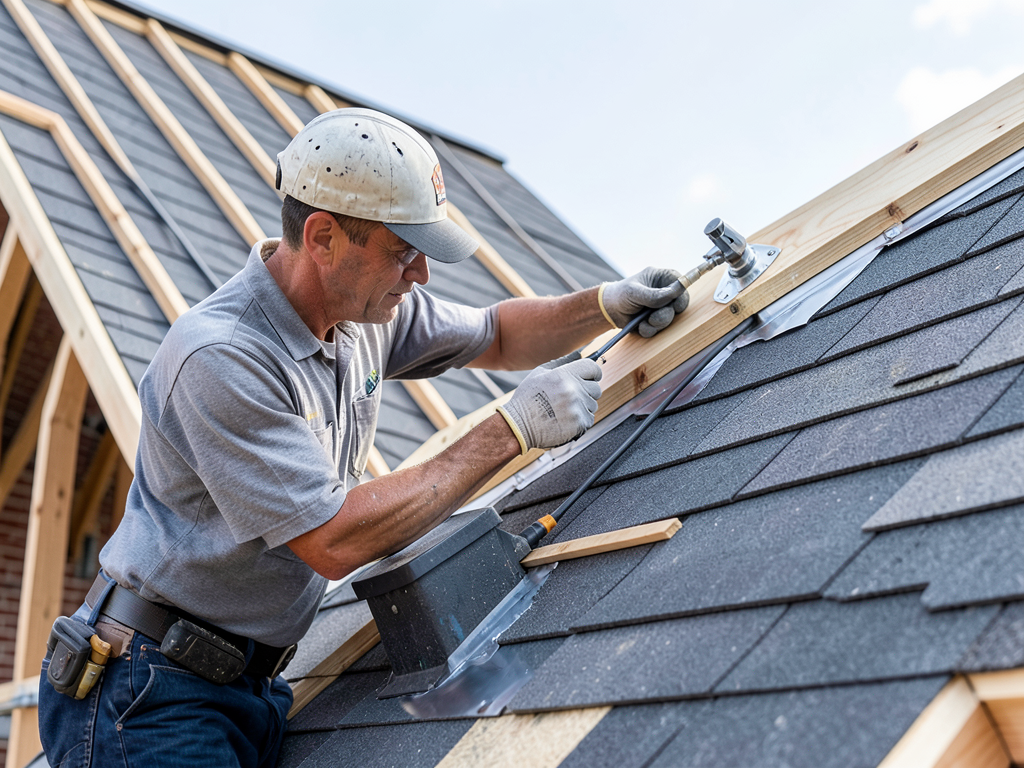
Diagram showing how a chimney cricket diverts water on a 12:12 pitch roof.
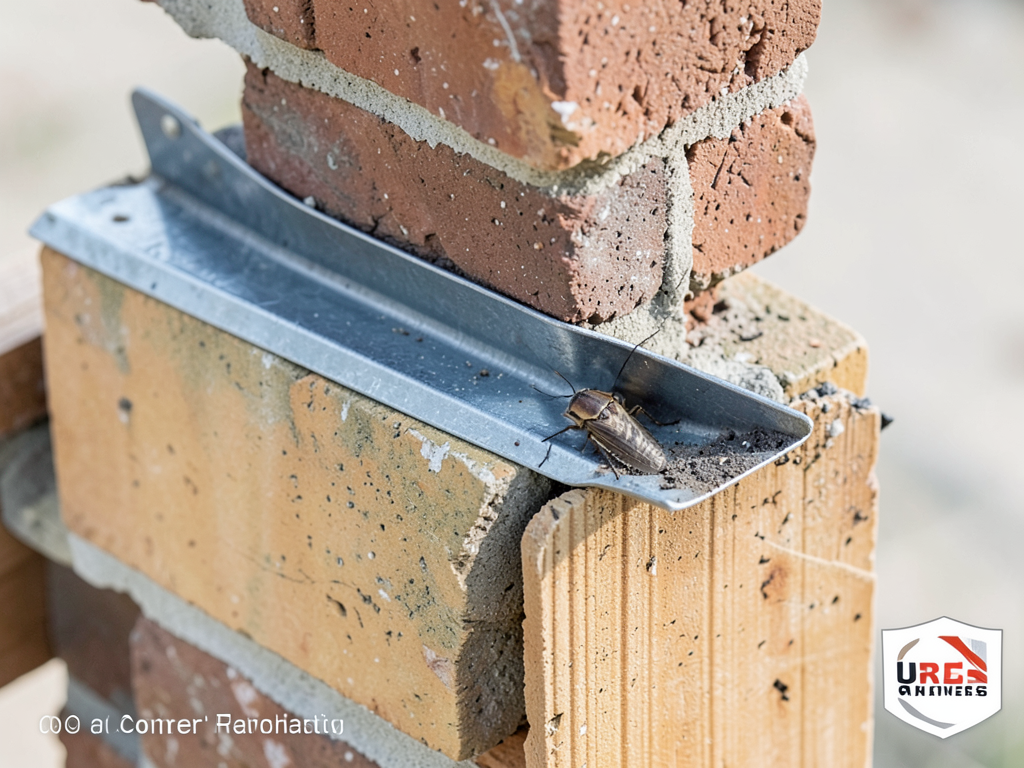
Close-up of step flashing and counter-flashing integration around a chimney cricket.
Before and after photos of a Detroit chimney retrofit with new cricket and ice and water shield.
Maintenance Tips for Detroit Chimney Crickets
Even a well-built cricket needs seasonal maintenance in Detroit’s climate:
- Clear snow from behind the chimney after heavy storms
- Inspect flashing seams each spring for gaps
- Check for rust on metal crickets annually
- Ensure gutters and downspouts direct water away from the foundation
A five-minute inspection after winter can prevent thousands in repairs. Look for lifted shingles, rusted flashing, or ice buildup—these are early warning signs that the cricket system needs attention.
Frequently Asked Questions
Do all chimneys need a cricket?
No. Michigan code only requires crickets for chimneys wider than 30 inches on sloped roofs. Narrow chimneys typically shed water adequately without one. Why Flat Roofs in Corktown Require Specialized Drainage Solutions.
How long does a chimney cricket last?
A properly installed cricket with quality materials lasts 20-30 years. Metal crickets outlast wood-framed ones, especially in Detroit’s salt-heavy winters.
Can I install a cricket on a flat roof?
No. Crickets are designed for sloped roofs. Flat roofs use different drainage solutions like crickets or internal drains.
Will a cricket change my roof’s appearance?
When built to match the main roof pitch, a cricket is barely noticeable. It actually improves roof lines by eliminating the flat area behind the chimney.
How soon can I get a cricket installed?
Peak Roofing typically schedules chimney cricket installations within 3-5 business days in the Detroit metro area, weather permitting. Spray Foam Roofing.
Stop Water Damage Before It Starts
Detroit’s freeze-thaw cycles are relentless on chimneys without proper water diversion. A code-compliant cricket is not a luxury—it is essential protection against ice dams, leaks, and structural rot. If your chimney is wider than 30 inches, you are already at risk.
Don’t wait for the next storm to reveal the problem. Call (313) 604-2233 today to schedule your inspection. Our Detroit-based team knows exactly how to protect your home from Michigan’s harshest weather. Pick up the phone and call (313) 604-2233 before the next storm hits. For more information, visit National Roofing Contractors Association.
{
“@context”: “https://schema.org”,
“@type”: “BlogPosting”,
“headline”: “Why You Might Need a Roof Cricket to Stop Leaks Behind Your Large Chimney”,
“description”: “Learn why Detroit homes with chimneys over 30 inches wide need roof crickets to prevent ice dams and leaks. Get expert installation tips from Peak Roofing Detroit.”,
“wordCount”: 1201,
“datePublished”: “2026-04-30T15:10:00.000Z”,
“dateModified”: “2026-04-30T15:10:00.000Z”,
“inLanguage”: “en-US”,
“mainEntityOfPage”: {
“@type”: “WebPage”,
“@id”: “https://peakroofingdetroit.com”
},
“publisher”: {
“@type”: “LocalBusiness”,
“name”: “Peak Roofing Detroit”,
“url”: “https://peakroofingdetroit.com”
},
“author”: {
“@type”: “Organization”,
“name”: “Peak Roofing Detroit”,
“url”: “https://peakroofingdetroit.com”
},
“image”: {
“@type”: “ImageObject”,
“url”: “https://peakroofingdetroit.com/wp-content/uploads/2026/03/why-you-might-need-a-roof-cricket-to-stop-leaks-be-1.png”
}
}
{
“@context”: “https://schema.org”,
“@type”: “RoofingContractor”,
“name”: “Peak Roofing Detroit”,
“url”: “https://peakroofingdetroit.com”,
“address”: {
“@type”: “PostalAddress”,
“addressLocality”: “Detroit”
},
“areaServed”: {
“@type”: “City”,
“name”: “Detroit”
}
}
{
“@context”: “https://schema.org”,
“@type”: “FAQPage”,
“mainEntity”: [
{
“@type”: “Question”,
“name”: “What is a Roof Chimney Cricket?”,
“acceptedAnswer”: {
“@type”: “Answer”,
“text”: “A chimney cricket is a small, peaked structure installed on the high side of a chimney to shed water and snow. It looks like a miniature roof saddle that sits flush against the chimney, creating a valley that channels runoff to the sides rather than letting it collect behind the masonry. Without one, Detroit’s heavy snow loads and spring rains create a \”dead valley\” where water backs up, freezes, and forces its way under shingles.”
}
},
{
“@type”: “Question”,
“name”: “Do all chimneys need a cricket?”,
“acceptedAnswer”: {
“@type”: “Answer”,
“text”: “No. Michigan code only requires crickets for chimneys wider than 30 inches on sloped roofs. Narrow chimneys typically shed water adequately without one. Why Flat Roofs in Corktown Require Specialized Drainage Solutions.”
}
},
{
“@type”: “Question”,
“name”: “How long does a chimney cricket last?”,
“acceptedAnswer”: {
“@type”: “Answer”,
“text”: “A properly installed cricket with quality materials lasts 20-30 years. Metal crickets outlast wood-framed ones, especially in Detroit’s salt-heavy winters.”
}
},
{
“@type”: “Question”,
“name”: “Can I install a cricket on a flat roof?”,
“acceptedAnswer”: {
“@type”: “Answer”,
“text”: “No. Crickets are designed for sloped roofs. Flat roofs use different drainage solutions like crickets or internal drains.”
}
},
{
“@type”: “Question”,
“name”: “Will a cricket change my roof’s appearance?”,
“acceptedAnswer”: {
“@type”: “Answer”,
“text”: “When built to match the main roof pitch, a cricket is barely noticeable. It actually improves roof lines by eliminating the flat area behind the chimney.”
}
},
{
“@type”: “Question”,
“name”: “How soon can I get a cricket installed?”,
“acceptedAnswer”: {
“@type”: “Answer”,
“text”: “Peak Roofing typically schedules chimney cricket installations within 3-5 business days in the Detroit metro area, weather permitting. Spray Foam Roofing.”
}
}
]
}
{
“@context”: “https://schema.org”,
“@type”: “BreadcrumbList”,
“itemListElement”: [
{
“@type”: “ListItem”,
“position”: 1,
“name”: “Home”,
“item”: “https://peakroofingdetroit.com”
},
{
“@type”: “ListItem”,
“position”: 2,
“name”: “Blog”,
“item”: “https://peakroofingdetroit.com/blog”
},
{
“@type”: “ListItem”,
“position”: 3,
“name”: “Why You Might Need a Roof Cricket to Stop Leaks Behind Your Large Chimney”
}
]
}
{
“@context”: “https://schema.org”,
“@type”: “Service”,
“serviceType”: “Roofing”,
“provider”: {
“@type”: “LocalBusiness”,
“name”: “Peak Roofing Detroit”,
“url”: “https://peakroofingdetroit.com”
},
“areaServed”: {
“@type”: “City”,
“name”: “Detroit”
},
“description”: “Learn why Detroit homes with chimneys over 30 inches wide need roof crickets to prevent ice dams and leaks. Get expert installation tips from Peak Roofing Detroit.”
}