
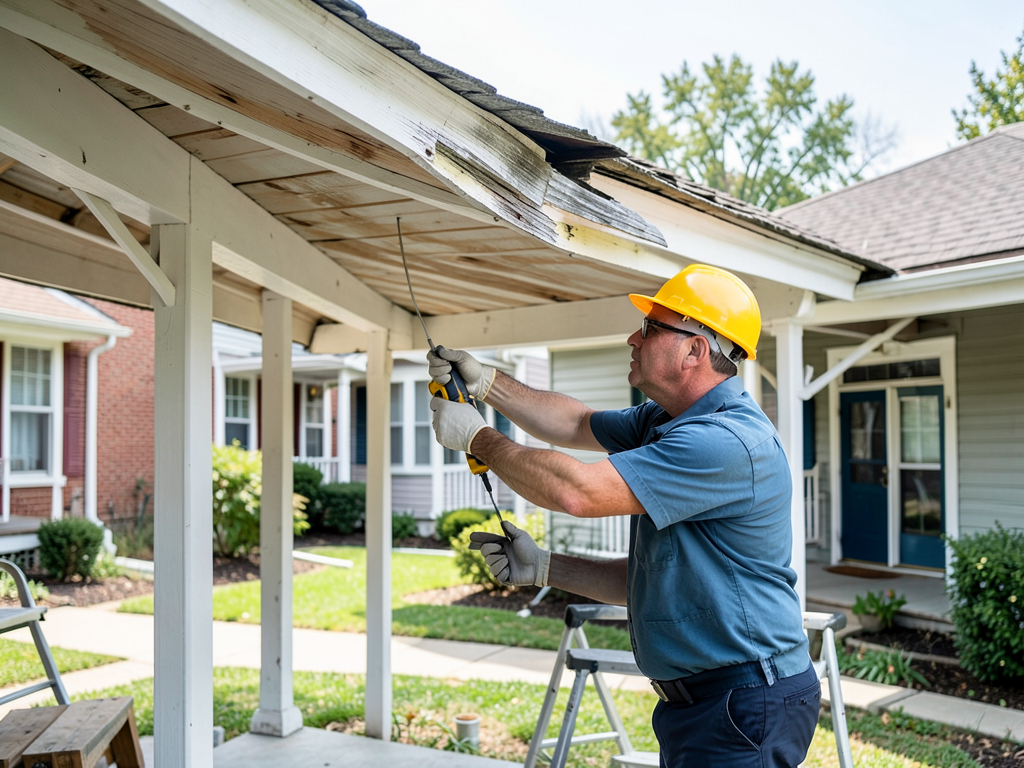
Cost considerations extend beyond initial material prices. Labor requirements vary significantly. EPDM installation requires specialized skills while asphalt shingles work well for DIY projects. Factor in the expected lifespan maintenance requirements and how each material complements your home’s architecture when making your decision.
Cost Factors for Porch Roof Repair in Detroit
Porch roof repair costs vary based on multiple factors that affect both materials and labor. Understanding these variables helps you budget appropriately and avoid unexpected expenses.
Extent of damage drives the largest cost differences. Minor repairs involving flashing replacement and shingle patching might cost $500 to $1500. Complete roof replacement with structural repairs typically runs $3000 to $8000. Severe cases requiring wall reconstruction or foundation work can exceed $15000.
Roof pitch affects both material requirements and installation difficulty. Low-slope roofs under 4:12 pitch need specialized waterproofing membranes rather than standard shingles. Steeper pitches require additional safety equipment and take longer to install. The pitch also determines snow load capacity requirements which influence structural specifications. City of Detroit Building Department.
Accessibility impacts labor costs significantly. Porches on second stories or those surrounded by landscaping require special equipment and additional time. Limited workspace makes material handling more difficult and can extend project duration by several days.
Permit fees add to project costs but remain relatively minor. Detroit charges $75 to $200 for residential roofing permits depending on project scope. Historic district reviews might add $100 to $300 in additional fees and extend approval timelines by several weeks. Getting Your Historic Roof Restored in Indian Village the Right Way.
Material choices create wide price variations. Basic three-tab shingles cost $3 to $5 per square foot installed while premium architectural products run $5 to $8 per square foot. EPDM rubber roofing costs $6 to $10 per square foot and standing seam metal ranges from $12 to $20 per square foot installed. Metal Roofing for Ferndale Homes (Is it Actually Worth the Investment?).
Contractor experience affects both price and quality. Established companies with proper insurance and warranties charge more than unlicensed operators. However the additional cost often pays for itself through better workmanship proper code compliance and protection against future problems.
Timeline pressures can increase costs if you need emergency repairs. Standard scheduling allows contractors to group similar projects efficiently. Rush jobs requiring immediate attention often incur premium charges of 25% to 50% above normal rates.
Hidden damage discovered during repairs frequently causes budget overruns. Rotted framing termite damage or previous substandard repairs might not be visible until demolition begins. Including a 15% to 20% contingency in your budget provides a financial cushion for these discoveries.
Choosing a Porch Roof Repair Contractor
Selecting the right contractor determines whether your porch roof repair succeeds or fails. Detroit’s market includes both highly qualified professionals and inexperienced operators making careful vetting essential.
Licensing verification confirms basic qualifications. Michigan requires roofing contractors to carry a specialty license from the Department of Licensing and Regulatory Affairs. Ask for the license number and verify it through the state’s online database. Unlicensed contractors cannot obtain permits and may perform substandard work that violates building codes. Michigan Department of Licensing and Regulatory Affairs.
Insurance coverage protects you from liability. Reputable contractors carry both general liability and workers’ compensation insurance. Request current certificates and verify coverage directly with the insurance provider. Without proper insurance you could be financially responsible if a worker is injured on your property.
References from past clients reveal work quality and reliability. Ask for contact information from customers with similar porch repair projects completed at least one year ago. Follow up with these references to learn about their experiences with the contractor’s workmanship communication and warranty service.
Written estimates detail the scope of work and prevent misunderstandings. A comprehensive estimate includes material specifications project timeline payment schedule and warranty terms. Compare multiple estimates to understand market rates but beware of prices significantly below average—they often indicate cutting corners or using inferior materials.
Contract terms should be clear and comprehensive. The agreement should specify exactly what work will be performed what materials will be used and how changes to the scope will be handled. Pay attention to payment schedules—reputable contractors typically require no more than 30% down with progress payments tied to completed work phases.
Local experience matters for porch roof repairs in Grandmont Rosedale. Contractors familiar with Detroit’s building codes historic district requirements and local suppliers can navigate the repair process more efficiently. They understand how Michigan’s climate affects porch construction and can recommend appropriate solutions based on local conditions. Grandmont Rosedale Development Corporation.
Warranty coverage provides long-term protection. Material warranties typically range from 20 to 50 years depending on the product. Labor warranties should cover at least one year for workmanship issues. Ask specifically what the warranty covers and excludes and get all warranty terms in writing.
Maintaining Your Porch Roof After Repair
Proper maintenance extends the life of your porch roof repair and prevents costly future problems. A consistent maintenance routine helps you catch minor issues before they become major repairs.
Seasonal inspections identify problems early. Check your porch roof in spring after winter’s harsh conditions and again in fall before snow arrives. Look for loose shingles damaged flashing or signs of water infiltration in your porch ceiling. Pay special attention to areas around chimneys vents and where the porch roof meets your house.
Gutter maintenance prevents water damage. Clean gutters at least twice yearly removing leaves twigs and other debris. Ensure downspouts direct water at least 5 feet away from your foundation. Clogged gutters cause water to back up under shingles and overflow behind fascia boards leading to rot and structural damage.
Tree trimming reduces debris accumulation and physical damage. Overhanging branches drop leaves that hold moisture against your roof surface. During storms branches can scrape shingles or puncture roofing materials. Keep trees trimmed at least 10 feet from your porch roof to minimize these risks. Spray Foam Roofing.
Ice dam prevention saves your porch from seasonal damage. After heavy snowfalls use a roof rake to remove snow from the bottom 3 feet of your porch roof. This prevents the freeze-thaw cycle that creates ice dams. In severe cases installing heat cables along the roof edge provides additional protection.
Caulking and sealant inspection should occur annually. Check all joints where different materials meet—around vents at roof edges and where flashing connects to walls. Replace cracked or missing caulk to maintain waterproof seals. Use exterior-grade sealants rated for your specific roofing material.
Ventilation assessment prevents moisture buildup. Proper airflow through your porch roof structure reduces condensation that leads to rot and mold growth. Check that soffit vents aren’t blocked by insulation and that ridge vents or other exhaust systems function correctly.
Professional inspections every 2 to 3 years catch problems you might miss. A qualified roofer can identify early signs of deterioration check structural connections and recommend preventive maintenance. These inspections typically cost $150 to $300 but can save thousands in avoided repairs.
Documentation of all repairs and maintenance creates a valuable history. Keep records of inspections repairs and warranty information. This documentation helps if you sell your home and demonstrates proper maintenance to potential buyers.
Historical Porch Preservation in Grandmont Rosedale
Many Grandmont Rosedale homes feature porches that contribute to the neighborhood’s historic character. When repairing these structures balancing modern performance requirements with historical preservation creates unique challenges.
Architectural review considerations apply to homes in historic districts. The Grandmont Rosedale Development Corporation oversees preservation guidelines for the area. Before beginning repairs consult with their preservation committee to understand requirements for maintaining historical accuracy while meeting current building codes.
Material matching presents specific challenges for historic porches. Original wood species like old-growth pine or cypress aren’t available in the same quality today. Modern pressure-treated lumber offers better rot resistance but has a different appearance. Some homeowners choose to use modern materials for structural elements while maintaining historical profiles for visible components. What Royal Oak Homeowners Should Know Before Choosing a Roofing Contractor.
Roof pitch preservation maintains architectural integrity. Many historic porches feature lower pitches than modern building codes typically allow. Working with a structural engineer can help you find solutions that meet current snow load requirements while preserving the original roof profile. This might involve upgrading framing members or adding concealed support structures.
Fastener selection affects both appearance and durability. Original porches often used hot-dipped galvanized nails or screws that develop a distinctive weathered patina. Modern stainless steel fasteners resist corrosion better but maintain a bright appearance that contrasts with aged materials. Some preservationists prefer using galvanized fasteners and accepting the natural weathering process.
Paint and finish considerations extend beyond color selection. Historic porches often featured lead-based paints that provided superior durability but pose health risks. Modern alternatives offer better safety but may not achieve the same depth of color or weather resistance. Research period-appropriate color schemes through the Detroit Historical Society or local preservation resources.
Structural upgrades require careful planning to remain invisible from street view. Strengthening porch roof framing while maintaining original roof lines often involves creative engineering solutions. Concealed steel posts reinforced ledger connections or upgraded joist hangers can provide modern strength without altering historical appearance.
Documentation through photographs and drawings helps preserve historical knowledge. Before beginning repairs document existing conditions thoroughly. This record proves valuable if future repairs are needed and helps maintain consistency in preservation efforts across the neighborhood.
Community resources offer support for historic porch preservation. The Grandmont Rosedale Development Corporation provides technical assistance and can connect you with contractors experienced in historic preservation. Local preservation workshops teach techniques for maintaining historic structures while meeting modern performance standards.
DIY vs Professional Porch Roof Repair
Deciding between DIY and professional repair depends on your skills available time and the repair’s complexity. Understanding the limitations of DIY work helps you make the right choice for your situation.
DIY advantages include cost savings and schedule flexibility. You control the timeline and can work at your own pace without coordinating with contractors. Material costs run 30% to 50% less when you purchase and install them yourself. Simple repairs like replacing a few damaged shingles or resealing flashing might be manageable for handy homeowners.
DIY limitations become apparent quickly on porch roof repairs. Working at heights requires proper safety equipment and creates significant risks for inexperienced workers. Identifying structural damage often requires experience that most homeowners lack. Mistakes in structural repairs can create safety hazards that put your family at risk.
Permit requirements complicate DIY projects. Detroit requires permits for most porch roof repairs and obtaining them requires demonstrating knowledge of building codes. DIY work that violates codes can result in fines required removal of completed work or difficulties selling your home later.
Professional advantages justify their costs for most porch repairs. Experienced contractors complete work faster and with better results than most DIY attempts. They understand building codes can obtain permits efficiently and carry insurance that protects you from liability. Professional work typically includes warranties that provide long-term protection.
Hybrid approaches offer compromise solutions. You might handle demolition and disposal yourself while hiring professionals for structural repairs and roofing installation. This approach reduces costs while ensuring critical work meets safety and code requirements. Some contractors offer consulting services to guide DIYers through complex aspects of the repair.
Skill assessment helps determine appropriate DIY limits. Basic tasks like cleaning gutters removing debris or applying sealant might suit DIY approaches. Structural repairs electrical work for porch lighting or anything affecting the roof’s waterproofing should typically involve professionals to ensure safety and code compliance.
Time considerations often surprise DIYers. What professionals complete in 2 to 3 days might take a homeowner several weekends or longer. Factor in the value of your time and the inconvenience of an unfinished repair when comparing DIY to professional costs.
Weather Considerations for Detroit Porch Repairs
Timing your porch roof repair around Detroit’s weather patterns affects both the repair process and the final results. Understanding seasonal limitations helps you plan effectively.
Spring repairs face temperature constraints for certain materials. Asphalt shingles require temperatures above 40°F for proper sealing and some adhesives won’t cure correctly in cold conditions. Spring also brings frequent rain showers that can delay outdoor work. However spring repairs prepare your porch for summer storms and fall leaf accumulation.
Summer offers ideal working conditions but high demand for contractors. July and August provide warm dry weather perfect for roofing work. Material installation proceeds quickly and adhesives cure properly. The tradeoff is higher prices and longer wait times for professional services due to peak season demand.
Fall repairs prepare your porch for winter’s harsh conditions. September and October typically offer stable weather with moderate temperatures. This timing allows new materials to seal properly before winter arrives. Many homeowners choose fall for repairs to address summer storm damage and ensure their porch withstands upcoming snow loads.
Winter repairs require special considerations or may be impossible. Frozen ground prevents foundation work and cold temperatures affect material performance. Some contractors offer emergency winter services using cold-weather installation techniques but costs increase significantly. Most porch repairs wait until spring unless addressing active leaks that cause interior damage.
Moisture management becomes critical during unpredictable weather. Even summer thunderstorms can halt roofing work for days. Professional contractors use moisture barriers and temporary protection to prevent water infiltration if unexpected rain occurs during installation. DIYers should plan for weather delays and have tarps ready to protect unfinished work.
Temperature effects on materials vary by product type. EPDM rubber roofing installs in a wider temperature range than asphalt shingles. Metal roofing performs consistently across temperatures but requires different fastening techniques in extreme heat or cold. Understanding these limitations helps you choose appropriate repair timing.
Wind considerations affect both timing and safety. Detroit experiences frequent wind gusts especially in spring and fall. High winds create dangerous conditions for workers on ladders or roofs and can damage partially completed installations. Most contractors avoid roofing work when sustained winds exceed 20 mph. Why Flat Roofs in Corktown Require Specialized Drainage Solutions.
Energy Efficiency Improvements for Porch Roofs
Porch roof repairs offer opportunities to improve energy efficiency reducing both your utility bills and your home’s environmental impact. Several upgrades can be incorporated during the repair process.
Insulation upgrades significantly improve porch comfort. Many older porches lack adequate insulation making them uncomfortably hot in summer and cold in winter. Adding rigid foam insulation beneath the roof deck creates a thermal barrier that reduces heat transfer. This upgrade costs $1 to $3 per square foot installed but can reduce heating and cooling costs by 15% to 25% for adjacent interior spaces.
Cool roof coatings reflect solar radiation reducing heat absorption. These reflective coatings work well on flat or low-slope porch roofs lowering surface temperatures by 50 to 80 degrees Fahrenheit. The reduced heat gain keeps your porch cooler and decreases cooling costs for nearby rooms. Cool roof coatings cost $0.75 to $1.50 per square foot and typically last 10 to 15 years.
Ventilation improvements prevent moisture problems and improve energy performance. Proper airflow through the porch roof structure removes excess humidity that leads to rot and mold growth. Adding soffit vents and a ridge vent or installing powered attic fans creates continuous air movement. These improvements cost $300 to $800 but protect your investment by extending roof life.
Solar integration becomes possible during major porch roof repairs. The large often south-facing surface of a porch roof provides ideal space for solar panels. While solar installation adds $5000 to $15000 to your project federal tax credits can offset 30% of the cost. Solar panels also protect the roof beneath from UV damage and weathering.
LED lighting upgrades reduce energy consumption for porch illumination. If your repair includes electrical work consider replacing incandescent or CFL fixtures with LED alternatives. LEDs use 75% less energy and last 25 times longer than traditional bulbs. The cost difference is minimal—typically $5 to $20 per fixture—but the energy savings accumulate quickly.
Rainwater harvesting systems capture roof runoff for landscape irrigation. Gutters and downspouts can direct water to storage tanks rather than letting it run onto your foundation. A basic rain barrel system costs $100 to $300 and provides free water for gardens while reducing stormwater runoff that can overwhelm Detroit’s drainage systems.
Material selection affects long-term energy performance. Light-colored roofing materials reflect more heat than dark options reducing cooling loads. Metal roofing with special coatings provides excellent solar reflectance. Some manufacturers offer energy-efficient shingles with reflective granules that maintain traditional appearances while improving performance.
Frequently Asked Questions
Grandmont Rosedale homeowners often have specific questions about porch roof repair. Here are answers to the most common concerns we hear.
How long does a typical porch roof repair take? Most repairs require 2 to 5 days for professional crews depending on the extent of damage and weather conditions. Simple repairs might finish in a single day while complete replacements with structural work take longer. DIY projects often extend to 2 to 3 weeks due to limited work hours and learning curves.
Can I repair just part of my porch roof? Partial repairs work for isolated damage but may create visual inconsistencies. Matching existing materials perfectly is difficult especially with weathered surfaces. More importantly partial repairs might not address underlying structural issues that affect the entire roof system. A professional assessment helps determine whether partial or complete replacement makes more sense.
What permits do I need for porch roof repair? Detroit requires permits for repairs affecting structural elements altering the roof’s load-bearing capacity or changing the building envelope. This includes replacing rafters modifying the ledger board connection or installing new roofing materials. Permit fees range from $75 to $200 and inspections ensure work meets current building codes.
How much weight can my porch roof handle? Snow load capacity depends on your roof’s design and construction. Modern building codes require residential roofs to support 30 to 40 pounds per square foot of snow load. Older porches might not meet these standards. A structural engineer can assess your specific situation and recommend reinforcements if needed.
Should I replace my porch roof if it’s just leaking? Not necessarily. Many leaks result from damaged flashing or worn shingles rather than structural failure. A thorough inspection determines the cause and extent of damage. Minor leaks often repair successfully without full replacement saving significant costs while extending your roof’s life by several years.
How do I know if my porch roof needs repair or replacement? Age visible damage and performance issues guide this decision. Roofs over 20 years old with multiple leak locations widespread shingle deterioration or structural sagging typically need replacement. Newer roofs with isolated problems often repair successfully. Professional inspections provide objective assessments of repair versus replacement options.
Can I match my porch roof to my main roof? Yes but perfect matching presents challenges. Weathering creates color variations that make exact matches difficult. Different roof pitches might require different materials or installation techniques. Many homeowners choose complementary rather than identical materials creating visual interest while maintaining cohesive design.
What’s the best roofing material for Michigan porches? Material selection depends on your porch’s pitch exposure and your priorities. EPDM rubber roofing excels on low-slope applications while architectural asphalt shingles work well on steeper pitches. Standing seam metal offers exceptional durability but costs more initially. Consider your climate maintenance preferences and budget when selecting materials.
How often should porch roofs be inspected? Annual inspections in spring or fall catch problems early. Professional inspections every 2 to 3 years provide more thorough assessments. After severe weather events additional checks help identify damage that might not be immediately visible. Regular inspections typically cost $150 to $300 but prevent costly repairs by identifying issues early.
Does porch roof repair increase home value? Quality repairs that address structural issues and improve appearance typically increase home value. Buyers appreciate knowing major systems are in good condition. However the return on investment varies—structural repairs often return 80% to 100% of costs while cosmetic improvements return less. The primary benefits include preventing further damage and maintaining your home’s marketability.
{
“@context”: “https://schema.org”,
“@type”: “BlogPosting”,
“headline”: “Repairing the Sagging Front Porch Roof on Your Grandmont Rosedale Home”,
“description”: “Expert porch roof repair for Grandmont Rosedale homes. Learn about Detroit-specific materials, codes, and weather challenges affecting your historic porch.”,
“wordCount”: 3339,
“datePublished”: “2026-04-02T15:10:00.000Z”,
“dateModified”: “2026-04-02T15:10:00.000Z”,
“inLanguage”: “en-US”,
“mainEntityOfPage”: {
“@type”: “WebPage”,
“@id”: “https://peakroofingdetroit.com”
},
“publisher”: {
“@type”: “LocalBusiness”,
“name”: “Peak Roofing Detroit”,
“url”: “https://peakroofingdetroit.com”
},
“author”: {
“@type”: “Organization”,
“name”: “Peak Roofing Detroit”,
“url”: “https://peakroofingdetroit.com”
},
“image”: {
“@type”: “ImageObject”,
“url”: “https://peakroofingdetroit.com/wp-content/uploads/2026/03/repairing-the-sagging-front-porch-roof-on-your-gra-1.png”
}
}
{
“@context”: “https://schema.org”,
“@type”: “RoofingContractor”,
“name”: “Peak Roofing Detroit”,
“url”: “https://peakroofingdetroit.com”,
“address”: {
“@type”: “PostalAddress”,
“addressLocality”: “Detroit”
},
“areaServed”: {
“@type”: “City”,
“name”: “Detroit”
}
}
{
“@context”: “https://schema.org”,
“@type”: “BreadcrumbList”,
“itemListElement”: [
{
“@type”: “ListItem”,
“position”: 1,
“name”: “Home”,
“item”: “https://peakroofingdetroit.com”
},
{
“@type”: “ListItem”,
“position”: 2,
“name”: “Blog”,
“item”: “https://peakroofingdetroit.com/blog”
},
{
“@type”: “ListItem”,
“position”: 3,
“name”: “Repairing the Sagging Front Porch Roof on Your Grandmont Rosedale Home”
}
]
}
{
“@context”: “https://schema.org”,
“@type”: “Service”,
“serviceType”: “Roofing”,
“provider”: {
“@type”: “LocalBusiness”,
“name”: “Peak Roofing Detroit”,
“url”: “https://peakroofingdetroit.com”
},
“areaServed”: {
“@type”: “City”,
“name”: “Detroit”
},
“description”: “Expert porch roof repair for Grandmont Rosedale homes. Learn about Detroit-specific materials, codes, and weather challenges affecting your historic porch.”
}