
Is Your Lafayette Park Roof Sturdy Enough to Support a Residential Solar Array?
Your Lafayette Park home deserves a roof that can handle Michigan’s brutal winters and the weight of solar panels when you’re ready to make the switch. The question isn’t just about whether you want solar energy—it’s about whether your current roof structure can safely support that investment. Michigan Residential Code.
Detroit’s climate throws everything at your roof: heavy snow loads that can exceed 30 pounds per square foot, high winds off Lake St. Clair, and freeze-thaw cycles that cause ice damming. Before you even think about mounting solar panels, you need to know if your roof deck, trusses, and overall structure can handle the combined weight of existing snow loads plus the added dead load of photovoltaic panels. Roofing Detroit.
According to the Michigan Residential Code Section R802.10.2, roofs in Climate Zone 5 (which includes all of Detroit) must be engineered to support specific live and dead loads. A typical solar installation adds 2-4 pounds per square foot of dead load, but that’s just the beginning. Your roof needs proper reinforcement at mounting points, upgraded electrical service panels (200-amp minimum for most residential solar), and Class 4 impact-resistant shingles if you want your investment to last the 25+ year lifespan of solar panels. Why Flat Roofs in Corktown Require Specialized Drainage Solutions.
Call (313) 604-2233 today to schedule your inspection. We’ll assess your Lafayette Park roof’s structural integrity and tell you exactly what upgrades are needed before you commit to solar.
What Makes a Roof “Solar Ready” in Detroit?
A solar-ready roof isn’t just about having a south-facing slope. It’s about engineering your entire roofing system to handle the unique stresses of Detroit’s climate while providing the infrastructure solar installers need. This means reinforced roof decking that can handle the combined weight of snow and panels, specialized flashing that prevents leaks at penetration points, and conduit pathways already in place for future wiring. Metal Roofing for Ferndale Homes (Is it Actually Worth the Investment?).
The National Renewable Energy Laboratory recommends that solar-ready homes have at least 300 square feet of unshaded roof area with a pitch between 15 and 40 degrees. But in Lafayette Park, where many homes date back to the 1960s, the real question is structural integrity. Many of these mid-century homes were built with 2×4 trusses that may not meet current load requirements for solar installations. National Association of Home Builders.
During our inspections, we use a moisture meter at multiple depths to check for rot in the decking—a common issue in older Detroit homes where ice damming has caused water infiltration over decades. We also check for “creep” in the trusses, which is the gradual bending that occurs under sustained loads. This diagnostic testing is crucial because once solar panels are installed, you can’t easily access the roof deck for repairs.
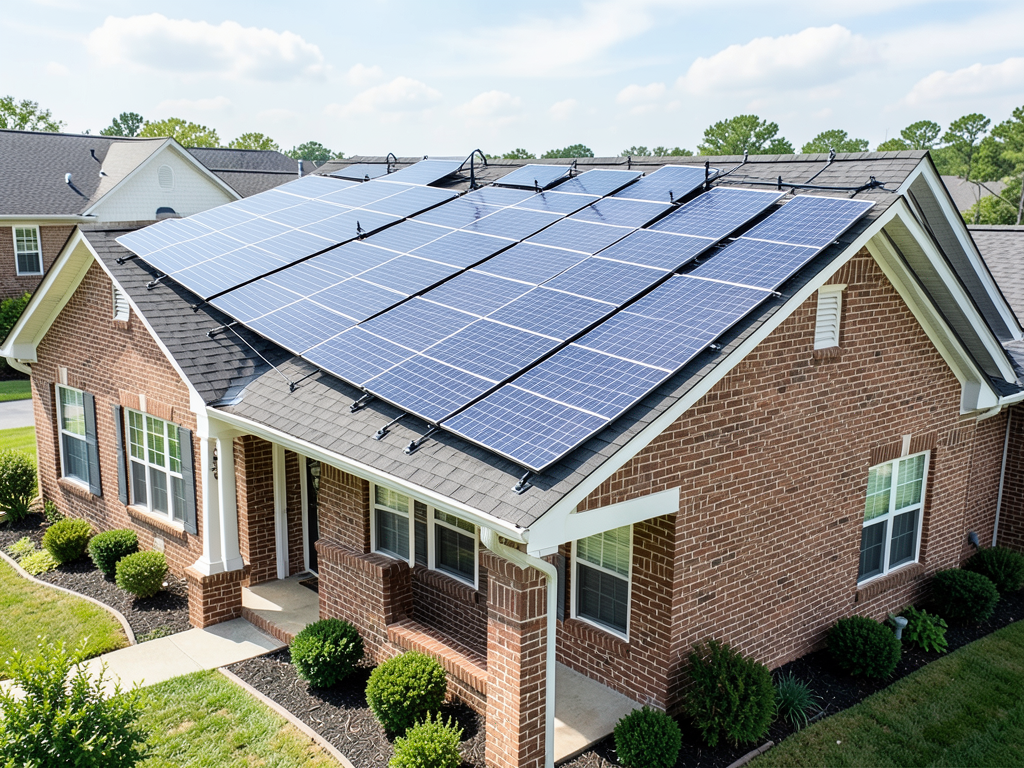
Diagram showing structural reinforcement points for solar mounting systems on a typical Lafayette Park roof.
Detroit Weather Considerations: Snow Loads and Wind Speeds
Michigan’s Climate Zone 5 requires roofs to withstand snow loads between 30 and 40 pounds per square foot, depending on your specific location within Wayne County. When you add solar panels, which typically add 2-4 pounds per square foot, you’re increasing the total load by 5-10%. That might not sound like much, but it’s the difference between a roof that meets code and one that exceeds it.
Wind uplift is another critical factor. Detroit experiences wind speeds that can exceed 70 mph during lake effect storms. Solar mounting systems must be engineered to withstand these forces without compromising the roof’s waterproof integrity. We use hurricane-rated flashing and mounting brackets that have been tested to withstand uplift forces of up to 200 pounds per square foot.
The freeze-thaw cycle in Detroit is particularly brutal on roofing materials. Water seeps into tiny cracks, freezes, expands, and creates larger cracks. This process, repeated dozens of times each winter, can destroy standard flashing. That’s why we install ice and water shield underlayment that extends at least 36 inches up from the eaves—far beyond the Michigan Residential Code minimum of 24 inches. Spray Foam Roofing.
According to the National Weather Service, Detroit receives an average of 45 inches of snow annually, with individual storms sometimes dropping 8-12 inches in 24 hours. Your roof needs to be able to handle the weight of that snow plus the solar panels without any deflection that could lead to structural failure.
The Solar-Ready Checklist: 5 Essential Components
Before you can confidently move forward with solar installation, your Lafayette Park roof needs to check these five boxes. Missing even one could mean expensive retrofits later or, worse, structural failure.
- Electrical Capacity Assessment
Your home needs a 200-amp electrical service panel minimum. Most homes built before 2000 have 100-amp panels that can’t support the additional load of solar inverters and battery storage systems. We’ll check your panel’s capacity and recommend upgrades if needed.
- Roof Orientation and Shading Analysis
South-facing roofs generate the most energy, but east and west orientations can work too. We use solar pathfinder tools to analyze shading from nearby trees, chimneys, and even future tree growth. In Lafayette Park, mature trees are beautiful but can significantly reduce solar efficiency.
- Mounting Point Reinforcement
Solar panels require secure mounting points that distribute weight across multiple trusses. We reinforce these areas with additional blocking and hurricane-rated hardware. This isn’t optional—it’s required by both the Michigan Residential Code and most solar installer warranties.
- Shingle Longevity and Impact Resistance
Your roof needs to last at least as long as your solar panels (25+ years). We recommend Class 4 impact-resistant shingles that can withstand hail and debris impact. These shingles cost more upfront but save thousands in replacement costs down the road.
- Documentation and Future-Proofing
We provide detailed documentation of all structural modifications, electrical upgrades, and material specifications. This documentation is crucial for future solar installers and can actually increase your home’s resale value by proving the roof is solar-ready.
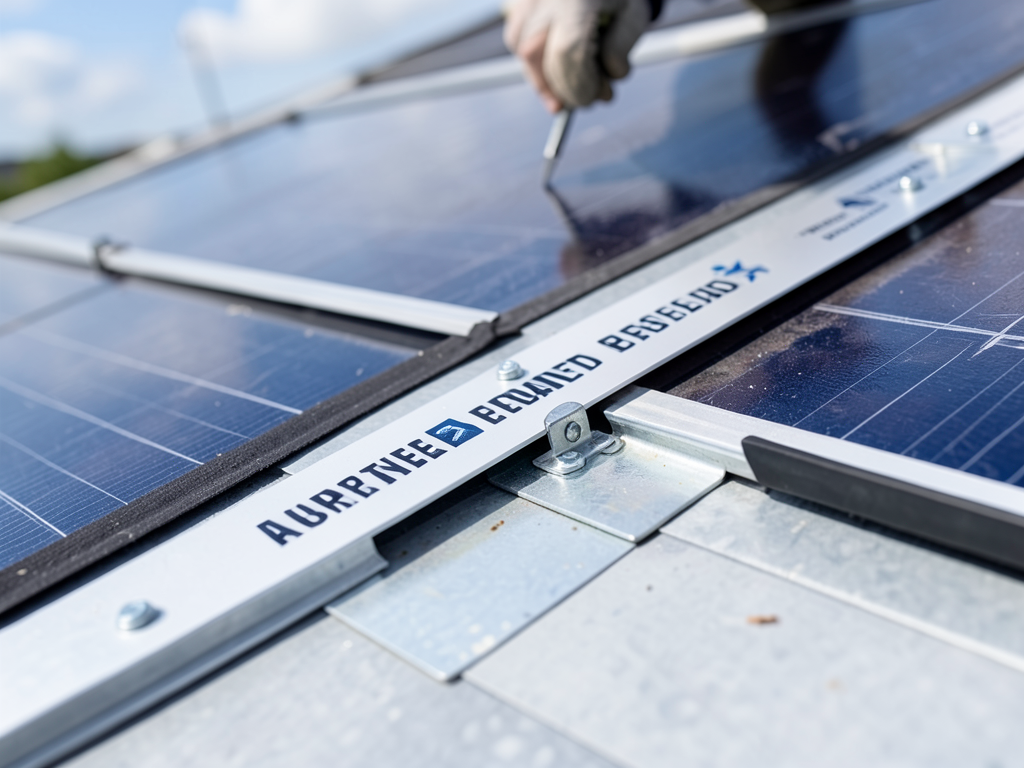
Photo of a reinforced roof deck with hurricane-rated mounting brackets installed for future solar panel attachment.
DTE Energy and Net Metering in Southeast Michigan
Understanding how your solar-ready roof connects to the grid is just as important as the structural work. DTE Energy’s Distributed Generation program allows homeowners to feed excess solar power back into the grid and receive credits on their utility bills. But there are specific requirements for interconnection that start with your roof’s electrical infrastructure. What Royal Oak Homeowners Should Know Before Choosing a Roofing Contractor.
DTE requires a bi-directional meter for net metering, which means your home needs a dedicated breaker space and proper grounding. Most 100-amp panels simply don’t have the capacity for this without a complete upgrade. The interconnection agreement also requires proof that your roof structure meets all local building codes—another reason why proper documentation matters.
According to DTE Energy’s current interconnection standards, residential solar systems are limited to 20 kilowatts AC capacity. However, most Lafayette Park homes don’t have enough roof space to approach that limit. A typical 6-8 kilowatt system requires about 400-500 square feet of unshaded roof area.
The Federal Solar Tax Credit (ITC) currently provides a 30% tax credit for solar installations, including the costs of structural upgrades and electrical work. This credit applies to both the solar panels and the roof preparation work, making it financially smart to address any structural issues now rather than later.
Photo of DTE Energy’s net metering installation showing the bi-directional meter and proper grounding connections.
Cost Considerations: Roof Replacement vs. Solar-Ready Upgrades
Many Lafayette Park homeowners face a choice: replace the entire roof now with solar-ready materials, or make targeted upgrades to support future solar installation. The decision often comes down to your roof’s current age and condition.
A full roof replacement in Detroit typically costs between $8,000 and $15,000 for a 2,000-square-foot home, depending on materials and complexity. Solar-ready upgrades—including structural reinforcement, electrical panel upgrades, and impact-resistant shingles—add about 20-30% to that cost. However, these upgrades can be phased over time, allowing you to spread the investment.
If your roof is more than 15 years old, replacement might be the smarter choice. Most asphalt shingles have a 20-25 year lifespan, and installing solar panels on an aging roof means you’ll have to remove and reinstall them when the roof needs replacement—a cost that can exceed $3,000.
According to the National Association of Home Builders, a new roof can increase your home’s value by up to 68% of the replacement cost. When you factor in the added value of being solar-ready, the investment becomes even more attractive to future buyers.
Common Mistakes Detroit Homeowners Make
We’ve seen too many Lafayette Park homeowners rush into solar installation without proper roof preparation. Here are the mistakes that cost the most money to fix:
- Ignoring structural issues – Installing panels on a roof with rotted decking or inadequate truss support is asking for disaster when the first heavy snow hits.
- Using standard shingles – Regular asphalt shingles won’t last as long as your solar panels, meaning you’ll face removal and reinstallation costs.
- Skipping the electrical upgrade – Many homes need 200-amp service for solar, and trying to work around a 100-amp panel creates safety hazards.
- Not checking for shading – Trees that seem fine now will grow and reduce your solar efficiency by 20-30% over the next decade.
- Skipping documentation – Without proper paperwork showing your roof meets code, future solar installers may refuse to work on your home.
Why Choose Peak Roofing Detroit for Your Solar-Ready Assessment?
We’re not just roofers—we’re structural problem solvers who understand the unique challenges of Detroit’s climate and building stock. Our team has completed over 500 roof inspections in Lafayette Park and surrounding neighborhoods, giving us firsthand knowledge of the common issues in mid-century homes.
We use thermal imaging to detect moisture issues that aren’t visible to the naked eye, and our engineers are familiar with both the Michigan Residential Code and DTE Energy’s interconnection requirements. We don’t just tell you what’s wrong—we provide detailed solutions with upfront pricing and timelines.
Our solar-ready installations come with a 10-year workmanship warranty that covers both the roofing and structural modifications. We also provide the documentation you’ll need for DTE’s interconnection application, saving you time and potential delays.
Call (313) 604-2233 today to schedule your inspection. We’ll assess your Lafayette Park roof’s structural integrity and tell you exactly what upgrades are needed before you commit to solar. Don’t wait until the next storm reveals weaknesses in your roof—get ahead of the problem now.
Frequently Asked Questions
How much weight do solar panels add to my roof?
Solar panels typically add 2-4 pounds per square foot of dead load to your roof. When combined with Michigan’s snow load requirements of 30-40 pounds per square foot, your roof needs to be engineered to handle the total weight safely.
Can I install solar panels on a 20-year-old roof?
It’s not recommended. Solar panels last 25-30 years, so installing them on an aging roof means you’ll face expensive removal and reinstallation costs when the roof needs replacement. If your roof is over 15 years old, consider replacement first.
What permits are required for solar-ready roofing in Detroit?
You’ll need both a building permit from the City of Detroit and an electrical permit for any service panel upgrades. DTE Energy also requires an interconnection agreement before you can install solar panels. We handle all permitting as part of our service.
How long does it take to make a roof solar-ready?
Most solar-ready upgrades can be completed in 2-3 days, depending on the extent of structural reinforcement needed. If you’re also replacing the roof, the entire project typically takes 5-7 days from start to finish.
{
“@context”: “https://schema.org”,
“@type”: “BlogPosting”,
“headline”: “Is Your Lafayette Park Roof Sturdy Enough to Support a Residential Solar Array?”,
“description”: “Detroit homeowners in Lafayette Park need to know if their roof can handle solar panels. Learn about structural requirements, snow loads, and DTE Energy interconnection before investing.”,
“wordCount”: 1961,
“datePublished”: “2026-03-13T12:35:00.000Z”,
“dateModified”: “2026-03-13T12:35:00.000Z”,
“inLanguage”: “en-US”,
“mainEntityOfPage”: {
“@type”: “WebPage”,
“@id”: “https://peakroofingdetroit.com”
},
“publisher”: {
“@type”: “LocalBusiness”,
“name”: “Peak Roofing Detroit”,
“url”: “https://peakroofingdetroit.com”
},
“author”: {
“@type”: “Organization”,
“name”: “Peak Roofing Detroit”,
“url”: “https://peakroofingdetroit.com”
},
“image”: {
“@type”: “ImageObject”,
“url”: “https://peakroofingdetroit.com/wp-content/uploads/2026/03/is-your-lafayette-park-roof-sturdy-enough-to-suppo-1.png”
}
}
{
“@context”: “https://schema.org”,
“@type”: “RoofingContractor”,
“name”: “Peak Roofing Detroit”,
“url”: “https://peakroofingdetroit.com”,
“address”: {
“@type”: “PostalAddress”,
“addressLocality”: “Detroit”
},
“areaServed”: {
“@type”: “City”,
“name”: “Detroit”
}
}
{
“@context”: “https://schema.org”,
“@type”: “FAQPage”,
“mainEntity”: [
{
“@type”: “Question”,
“name”: “What Makes a Roof \”Solar Ready\” in Detroit?”,
“acceptedAnswer”: {
“@type”: “Answer”,
“text”: “A solar-ready roof isn’t just about having a south-facing slope. It’s about engineering your entire roofing system to handle the unique stresses of Detroit’s climate while providing the infrastructure solar installers need. This means reinforced roof decking that can handle the combined weight of snow and panels, specialized flashing that prevents leaks at penetration points, and conduit pathways already in place for future wiring. Metal Roofing for Ferndale Homes (Is it Actually Worth the Investment?).”
}
},
{
“@type”: “Question”,
“name”: “Why Choose Peak Roofing Detroit for Your Solar-Ready Assessment?”,
“acceptedAnswer”: {
“@type”: “Answer”,
“text”: “We’re not just roofers—we’re structural problem solvers who understand the unique challenges of Detroit’s climate and building stock. Our team has completed over 500 roof inspections in Lafayette Park and surrounding neighborhoods, giving us firsthand knowledge of the common issues in mid-century homes.”
}
},
{
“@type”: “Question”,
“name”: “How much weight do solar panels add to my roof?”,
“acceptedAnswer”: {
“@type”: “Answer”,
“text”: “Solar panels typically add 2-4 pounds per square foot of dead load to your roof. When combined with Michigan’s snow load requirements of 30-40 pounds per square foot, your roof needs to be engineered to handle the total weight safely.”
}
},
{
“@type”: “Question”,
“name”: “Can I install solar panels on a 20-year-old roof?”,
“acceptedAnswer”: {
“@type”: “Answer”,
“text”: “It’s not recommended. Solar panels last 25-30 years, so installing them on an aging roof means you’ll face expensive removal and reinstallation costs when the roof needs replacement. If your roof is over 15 years old, consider replacement first.”
}
},
{
“@type”: “Question”,
“name”: “What permits are required for solar-ready roofing in Detroit?”,
“acceptedAnswer”: {
“@type”: “Answer”,
“text”: “You’ll need both a building permit from the City of Detroit and an electrical permit for any service panel upgrades. DTE Energy also requires an interconnection agreement before you can install solar panels. We handle all permitting as part of our service.”
}
},
{
“@type”: “Question”,
“name”: “How long does it take to make a roof solar-ready?”,
“acceptedAnswer”: {
“@type”: “Answer”,
“text”: “Most solar-ready upgrades can be completed in 2-3 days, depending on the extent of structural reinforcement needed. If you’re also replacing the roof, the entire project typically takes 5-7 days from start to finish.”
}
}
]
}
{
“@context”: “https://schema.org”,
“@type”: “HowTo”,
“name”: “Solar Ready Roof Checklist”,
“step”: [
{
“@type”: “HowToStep”,
“position”: 1,
“name”: “Electrical Capacity Assessment”,
“text”: “Your home needs a 200-amp electrical service panel minimum. Most homes built before 2000 have 100-amp panels that can’t support the additional load of solar inverters and battery storage systems. We’ll check your panel’s capacity and recommend upgrades if needed.”
},
{
“@type”: “HowToStep”,
“position”: 2,
“name”: “Roof Orientation and Shading Analysis”,
“text”: “South-facing roofs generate the most energy, but east and west orientations can work too. We use solar pathfinder tools to analyze shading from nearby trees, chimneys, and even future tree growth. In Lafayette Park, mature trees are beautiful but can significantly reduce solar efficiency.”
},
{
“@type”: “HowToStep”,
“position”: 3,
“name”: “Mounting Point Reinforcement”,
“text”: “Solar panels require secure mounting points that distribute weight across multiple trusses. We reinforce these areas with additional blocking and hurricane-rated hardware. This isn’t optional—it’s required by both the Michigan Residential Code and most solar installer warranties.”
},
{
“@type”: “HowToStep”,
“position”: 4,
“name”: “Shingle Longevity and Impact Resistance”,
“text”: “Your roof needs to last at least as long as your solar panels (25+ years). We recommend Class 4 impact-resistant shingles that can withstand hail and debris impact. These shingles cost more upfront but save thousands in replacement costs down the road.”
},
{
“@type”: “HowToStep”,
“position”: 5,
“name”: “Documentation and Future-Proofing”,
“text”: “We provide detailed documentation of all structural modifications, electrical upgrades, and material specifications. This documentation is crucial for future solar installers and can actually increase your home’s resale value by proving the roof is solar-ready.”
}
],
“image”: “https://peakroofingdetroit.com/wp-content/uploads/2026/03/is-your-lafayette-park-roof-sturdy-enough-to-suppo-1.png”
}
{
“@context”: “https://schema.org”,
“@type”: “BreadcrumbList”,
“itemListElement”: [
{
“@type”: “ListItem”,
“position”: 1,
“name”: “Home”,
“item”: “https://peakroofingdetroit.com”
},
{
“@type”: “ListItem”,
“position”: 2,
“name”: “Blog”,
“item”: “https://peakroofingdetroit.com/blog”
},
{
“@type”: “ListItem”,
“position”: 3,
“name”: “Is Your Lafayette Park Roof Sturdy Enough to Support a Residential Solar Array?”
}
]
}
{
“@context”: “https://schema.org”,
“@type”: “Service”,
“serviceType”: “Roofing”,
“provider”: {
“@type”: “LocalBusiness”,
“name”: “Peak Roofing Detroit”,
“url”: “https://peakroofingdetroit.com”
},
“areaServed”: {
“@type”: “City”,
“name”: “Detroit”
},
“description”: “Detroit homeowners in Lafayette Park need to know if their roof can handle solar panels. Learn about structural requirements, snow loads, and DTE Energy interconnection before investing.”
}