
Why Royal Oak’s Unique Climate Makes Your Roof Choice Critical
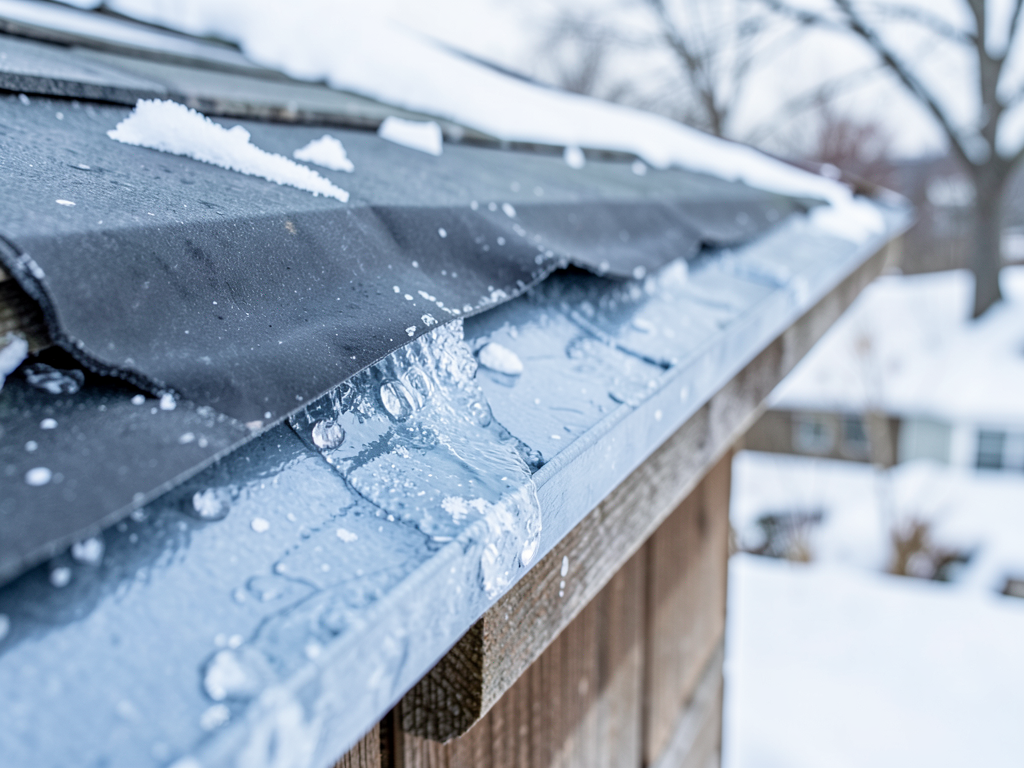
Royal Oak homeowners face a unique combination of weather challenges that directly impact roof performance. The area’s freeze-thaw cycles create ice dam formation along eaves when attic heat escapes through poorly insulated spaces. These ice dams force melting snow under shingles, causing interior water damage that often goes unnoticed until significant structural harm occurs.. Read more about Dealing with Hail Damage and Insurance Claims in Birmingham and Bloomfield.
The city’s proximity to Lake St. Clair exposes roofs to sustained high winds that accelerate granule loss on asphalt shingles. When combined with Royal Oak’s heavy summer humidity, this creates ideal conditions for moss and algae growth that can compromise shingle integrity within five to seven years of installation.
Local building codes in Royal Oak require specific underlayment standards for ice and water shield installation. The Michigan Residential Code Section R905.1.8 mandates ice barrier application extending from the eave edge up the roof slope a minimum of 24 inches beyond the exterior wall line. Many out-of-town contractors fail to meet this requirement, leaving homes vulnerable to winter damage. Michigan Department of Licensing and Regulatory Affairs.
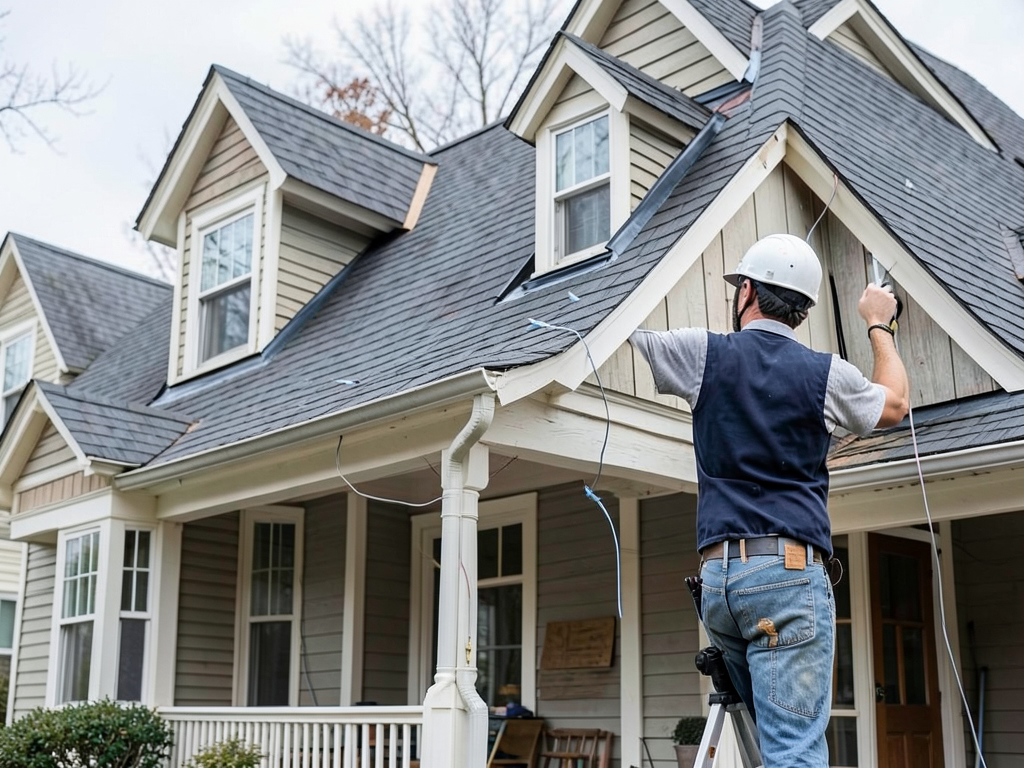
Royal Oak’s mix of historic Tudor Revival homes and mid-century ranches presents distinct roofing challenges. Tudor-style steep pitches require specialized flashing techniques around multiple dormers and valleys, while ranch-style homes often need enhanced ventilation systems to prevent moisture buildup in attic spaces. Getting Your Historic Roof Restored in Indian Village the Right Way.
Before signing any roofing contract, verify the contractor’s Michigan Department of Licensing and Regulatory Affairs (LARA) license number. This single step eliminates over 60% of roofing complaints filed with the Better Business Bureau in Oakland County. A legitimate contractor will provide this information upfront and show proof of current liability insurance coverage. Spray Foam Roofing.
Material Selection: Beyond the Basic Asphalt Shingle
Asphalt shingles remain the most popular choice in Royal Oak due to their cost-effectiveness and moderate lifespan of 15-25 years. However, architectural or dimensional shingles offer superior wind resistance up to 130 mph compared to standard three-tab shingles rated for 60-70 mph winds. This difference matters when Lake St. Clair wind events push sustained gusts through the Royal Oak area.
Metal roofing systems provide exceptional durability in Michigan’s climate, with lifespans exceeding 50 years when properly installed. Standing seam metal panels eliminate exposed fasteners that can become leak points over time. The reflective properties of metal also reduce cooling costs by up to 25% during Royal Oak’s humid summers. Roofing Detroit.
Synthetic slate offers the aesthetic appeal of natural slate without the structural load concerns. A typical Royal Oak Tudor home can support synthetic slate at 150 pounds per square compared to natural slate at 750-900 pounds per square. This weight difference often determines whether a historic home can safely support premium roofing materials. Roofing Grosse Pointe Park.
Clay and concrete tiles perform well in freeze-thaw conditions when installed with proper underlayment systems. The key lies in using high-quality polymer-modified asphalt sheets beneath the tiles rather than basic felt paper. This upgrade typically adds $300-400 to a standard roof installation but prevents costly water damage claims.
Flat commercial roofs in Royal Oak industrial areas benefit from modern single-ply membrane systems like TPO or EPDM. These materials reflect UV radiation and resist ponding water, common issues in buildings near the former auto plant district where roof slopes may be minimal.
Warning Signs Your Roof Needs Professional Attention
Curling or buckling shingles indicate ventilation problems that accelerate roof deterioration. When attic temperatures exceed 130°F during summer months, shingle adhesives break down prematurely. Royal Oak homes built before 1980 often lack adequate ridge vents, creating these exact conditions.
Granule loss in gutters signals advanced shingle wear. Run your hand across shingle surfaces after a storm. If you feel coarse granules coming off easily, your roof has lost significant protective coating. This typically occurs 8-10 years before complete failure, providing a crucial window for replacement planning.
Interior water stains on ceilings or walls often trace back to flashing failures around chimneys, skylights, or roof valleys. The Michigan climate’s freeze-thaw cycles cause metal flashing to expand and contract, eventually creating gaps that allow water infiltration. A moisture meter reading above 18% in attic sheathing indicates active leak conditions requiring immediate attention.. Read more about Metal Roofing for Ferndale Homes (Is it Actually Worth the Investment?).
Sagging roof decks suggest structural issues from prolonged moisture exposure or inadequate support systems. Walk your roof carefully (from a ladder for safety) and check for soft spots that feel spongy underfoot. These areas often correspond to interior ceiling stains and indicate decking that needs replacement.
Moss and algae growth on north-facing roof slopes thrives in Royal Oak’s humid conditions. While cosmetic initially, this organic growth retains moisture against shingles, accelerating deterioration. Zinc or copper strips installed at roof ridges prevent this growth by releasing trace metals during rainfall.
Royal Oak’s Permit Process and Building Requirements
Royal Oak requires building permits for all roof replacements, including material tear-off and installation of new underlayment systems. The permit process typically takes 3-5 business days and costs approximately $250-350 depending on project scope. Skipping permits can result in fines up to $500 plus mandatory corrective work.
Local inspectors verify ice and water shield installation depth, proper flashing techniques, and ventilation compliance with Michigan Residential Code standards. They measure ridge vent continuity and confirm soffit vent presence to ensure adequate airflow. Homes failing inspection must halt work until corrections are made.. Read more about Choosing a Local Family Owned Roofer in Wyandotte for Your Next Project.
Historic district properties in Royal Oak face additional requirements. The Royal Oak Historic District Commission reviews roofing material choices to ensure compatibility with neighborhood character. Synthetic slate or premium architectural shingles often receive approval where standard three-tab shingles would not.
Roofing contractors must carry specific insurance coverage for Royal Oak projects. This includes general liability insurance with minimum $500,000 coverage and workers’ compensation insurance for all employees working on your property. Request current certificate copies and verify coverage directly with the insurance provider.
Permit fees contribute to Oakland County’s infrastructure maintenance fund, which addresses stormwater management issues common in Royal Oak’s older neighborhoods. Properly permitted work ensures your roof connects to existing drainage systems without creating new runoff problems for adjacent properties. Roof Cricket Drainage Issues.
Questions to Ask Before Signing Any Roofing Contract
Request written documentation of the contractor’s Michigan LARA license status. Legitimate contractors provide license numbers and allow verification through the state’s online portal. This simple step eliminates most unlicensed operators who often lack proper insurance coverage.
Ask about material manufacturer certifications and warranty coverage. Premium manufacturers like GAF and Owens Corning offer enhanced warranties only through certified contractors who complete specific training programs. These warranties typically cover 25-50 years versus 10-15 years for standard installations. GAF roofing materials and certifications.
Clarify the project timeline including material delivery schedules and weather contingency plans. Michigan spring storms can delay roofing projects by weeks. A professional contractor provides realistic completion estimates and communicates delays promptly rather than leaving homeowners wondering about crew arrivals.
Request references from recent Royal Oak projects similar to yours. Contact these references and ask about communication quality, cleanup procedures, and whether the final cost matched the initial estimate. Pattern of cost overruns often indicates poor project planning or change order abuse.
Understand the payment schedule before work begins. Avoid contractors demanding large upfront payments. Standard practice involves a modest deposit with progress payments tied to completed work phases. Final payment should only occur after successful final inspection and your complete satisfaction.
Comparing Roofing Materials for Royal Oak Homes
| Material Type | Average Lifespan | Wind Rating | Royal Oak Suitability |
|---|---|---|---|
| Asphalt Architectural | 25-30 years | 130 mph | Excellent |
| Metal Standing Seam | 50+ years | 150+ mph | Superior |
| Synthetic Slate | 40-50 years | 110 mph | Very Good |
| Clay Tile | 50+ years | 125 mph | Good |
Cost Factors That Affect Your Royal Oak Roofing Project
Roof pitch significantly impacts installation costs. Steeper roofs require additional safety equipment and slower work progress. A 12:12 pitch roof costs approximately 30-40% more to install than a standard 4:12 pitch due to increased labor and equipment needs.
Existing roof layers affect tear-off costs and disposal fees. Michigan regulations limit roof installations to two layers of roofing material. Removing three layers of old roofing can add $1,000-2,000 to project costs depending on roof size and disposal requirements.
Decking replacement becomes necessary when moisture damage is discovered during tear-off. Soft or rotted plywood sections require replacement at $3-5 per square foot. This cost often surprises homeowners who assumed decking was in good condition.
Ventilation upgrades may be required to meet current code standards. Adding ridge vents, soffit vents, or improving attic insulation can add $800-2,500 to project costs but prevents future moisture problems and extends roof life significantly.
Premium underlayment systems provide enhanced protection in Royal Oak’s climate. Ice and water shield costs $75-100 more per square than basic felt paper but prevents the most common winter leak patterns in Michigan homes.
Protecting Your Investment: Maintenance and Warranty Considerations
Annual roof inspections identify minor issues before they become major problems. Professional inspections cost $150-300 but can prevent $5,000-10,000 in water damage repairs by catching flashing failures or ventilation issues early.
Manufacturer warranties vary significantly by material quality and contractor certification. Basic asphalt shingle warranties cover 10-15 years while premium architectural shingles carry 25-50 year coverage. The key difference often lies in workmanship coverage, which many uncertified contractors cannot provide.
Transferable warranties add home resale value. When selling your Royal Oak home, a transferable roofing warranty provides buyers confidence in the roof’s remaining life. This feature can differentiate your property in competitive real estate markets.
Maintenance requirements differ by material type. Asphalt shingles need periodic cleaning to prevent moss growth, while metal roofs require inspection of sealants around penetrations. Understanding these requirements helps maximize your roof’s service life.
Document all roofing work and maintenance for warranty compliance. Keep copies of contracts, inspection reports, and repair records. Many warranty claims are denied due to lack of documentation showing proper maintenance was performed.
Emergency Roofing Situations: When Speed Matters Most
Storm damage requires immediate temporary protection to prevent interior water damage. Professional tarping services cost $300-500 but prevent thousands in repair costs from rain entering damaged areas. Royal Oak experiences severe thunderstorms capable of removing shingles or creating punctures from falling debris.
Ice dam emergencies demand quick professional intervention. Steam removal costs $250-400 per hour but prevents the $5,000-8,000 in interior damage that occurs when ice dams force water under shingles. DIY chipping methods often damage shingles and void warranties.
Tree damage from high winds requires safety assessment before any repair work. Royal Oak’s mature tree canopy creates beautiful neighborhoods but also poses risks during storms. A fallen branch can puncture multiple roof sections, requiring emergency board-up services before permanent repairs begin.
Insurance claims for emergency damage need proper documentation. Take clear photos of damage before any temporary repairs. Insurance adjusters require evidence of pre-repair conditions to process claims efficiently. Many Royal Oak homeowners discover too late that cleanup crews removed crucial damage evidence.
Emergency repair contractors should provide temporary protection certificates. These documents guarantee the temporary fix will hold until permanent repairs begin, protecting your home from additional damage during the repair scheduling process.
Making Your Final Decision: Red Flags and Green Lights
Red flags include contractors unwilling to provide written estimates, those demanding large upfront payments, or companies without physical business addresses in Michigan. These warning signs often indicate unlicensed operators or companies planning to take deposits without completing work.
Green lights include detailed written proposals, clear communication about project timelines, and willingness to explain material choices. Professional contractors educate homeowners rather than pressuring quick decisions. They provide manufacturer literature and explain warranty differences between material options.
Local reputation matters significantly in Royal Oak’s tight-knit community. Ask neighbors about their experiences with different contractors. Word travels quickly about contractors who deliver quality work versus those who create problems.
Payment terms reveal contractor stability. Established companies offer reasonable payment schedules tied to work completion. Fly-by-night operators often demand cash payments or large deposits before starting work.
Communication quality during the sales process predicts project execution. Contractors who respond promptly to questions and provide clear written information typically deliver better overall experiences than those who are difficult to reach or vague about project details.
Frequently Asked Questions
How long does a typical roof replacement take in Royal Oak?
Most residential roof replacements in Royal Oak take 1-3 days depending on roof size, pitch, and weather conditions. Complex roofs with multiple valleys or steep pitches may require 4-5 days. Weather delays are common during Michigan’s unpredictable spring season.
What permits are required for roofing work in Royal Oak?
Royal Oak requires building permits for all roof replacements including tear-off and new installation. The permit process takes 3-5 business days and costs $250-350. Work cannot legally begin without proper permits displayed at the job site.
How can I verify a roofing contractor’s license in Michigan?
Verify contractor licenses through Michigan’s Department of Licensing and Regulatory Affairs (LARA) online portal. Legitimate contractors provide their license number and allow verification. This step eliminates over 60% of roofing complaints filed with the Better Business Bureau in Oakland County.
What’s the best roofing material for Royal Oak’s climate?
Architectural asphalt shingles offer the best balance of cost, durability, and wind resistance for most Royal Oak homes. They withstand 130 mph winds and provide 25-30 year lifespans. Metal roofing provides superior longevity at higher initial costs, while synthetic slate offers premium aesthetics for historic homes.
How often should I have my roof inspected?
Professional roof inspections every 2-3 years help identify minor issues before they become major problems. Additional inspections are recommended after severe storms or if you notice interior water stains. Annual gutter cleaning also provides opportunity to check roof condition from ground level.
Ready to Protect Your Royal Oak Home?
Choosing the right roofing contractor protects your home and family from Michigan’s harsh weather conditions. The decision impacts your property value, energy efficiency, and peace of mind for decades to come.
Don’t wait until water damage appears on your ceiling. Call (313) 604-2233 today to schedule your professional roof inspection. Our Michigan-licensed experts understand Royal Oak’s unique roofing challenges and provide solutions that last.
Pick up the phone and call (313) 604-2233 before the next storm hits. Your home deserves protection from contractors who understand local building codes, weather patterns, and the specific needs of Royal Oak homeowners.
{
“@context”: “https://schema.org”,
“@type”: “BlogPosting”,
“headline”: “What Royal Oak Homeowners Should Know Before Choosing a Roofing Contractor”,
“description”: “Royal Oak homeowners need to know key facts before hiring a roofing contractor. Learn about local codes, materials, and how to avoid costly mistakes.”,
“wordCount”: 2384,
“datePublished”: “2026-02-21T07:45:00.000Z”,
“dateModified”: “2026-02-21T07:45:00.000Z”,
“inLanguage”: “en-US”,
“mainEntityOfPage”: {
“@type”: “WebPage”,
“@id”: “https://peakroofingdetroit.com”
},
“publisher”: {
“@type”: “LocalBusiness”,
“name”: “Peak Roofing Detroit”,
“url”: “https://peakroofingdetroit.com”
},
“author”: {
“@type”: “Organization”,
“name”: “Peak Roofing Detroit”,
“url”: “https://peakroofingdetroit.com”
},
“image”: {
“@type”: “ImageObject”,
“url”: “https://peakroofingdetroit.com/wp-content/uploads/2026/03/what-royal-oak-homeowners-should-know-before-choos-1.png”
}
}
{
“@context”: “https://schema.org”,
“@type”: “RoofingContractor”,
“name”: “Peak Roofing Detroit”,
“url”: “https://peakroofingdetroit.com”,
“address”: {
“@type”: “PostalAddress”,
“addressLocality”: “Detroit”
},
“areaServed”: {
“@type”: “City”,
“name”: “Detroit”
}
}
{
“@context”: “https://schema.org”,
“@type”: “FAQPage”,
“mainEntity”: [
{
“@type”: “Question”,
“name”: “What permits are required for roofing work in Royal Oak?”,
“acceptedAnswer”: {
“@type”: “Answer”,
“text”: “Royal Oak requires building permits for all roof replacements including tear-off and new installation. The permit process takes 3-5 business days and costs $250-350. Work cannot legally begin without proper permits displayed at the job site.”
}
},
{
“@type”: “Question”,
“name”: “How can I verify a roofing contractor’s license in Michigan?”,
“acceptedAnswer”: {
“@type”: “Answer”,
“text”: “Verify contractor licenses through Michigan’s Department of Licensing and Regulatory Affairs (LARA) online portal. Legitimate contractors provide their license number and allow verification. This step eliminates over 60% of roofing complaints filed with the Better Business Bureau in Oakland County.”
}
},
{
“@type”: “Question”,
“name”: “What’s the best roofing material for Royal Oak’s climate?”,
“acceptedAnswer”: {
“@type”: “Answer”,
“text”: “Architectural asphalt shingles offer the best balance of cost, durability, and wind resistance for most Royal Oak homes. They withstand 130 mph winds and provide 25-30 year lifespans. Metal roofing provides superior longevity at higher initial costs, while synthetic slate offers premium aesthetics for historic homes.”
}
},
{
“@type”: “Question”,
“name”: “How often should I have my roof inspected?”,
“acceptedAnswer”: {
“@type”: “Answer”,
“text”: “Professional roof inspections every 2-3 years help identify minor issues before they become major problems. Additional inspections are recommended after severe storms or if you notice interior water stains. Annual gutter cleaning also provides opportunity to check roof condition from ground level.”
}
},
{
“@type”: “Question”,
“name”: “Ready to Protect Your Royal Oak Home?”,
“acceptedAnswer”: {
“@type”: “Answer”,
“text”: “Choosing the right roofing contractor protects your home and family from Michigan’s harsh weather conditions. The decision impacts your property value, energy efficiency, and peace of mind for decades to come.”
}
}
]
}
{
“@context”: “https://schema.org”,
“@type”: “BreadcrumbList”,
“itemListElement”: [
{
“@type”: “ListItem”,
“position”: 1,
“name”: “Home”,
“item”: “https://peakroofingdetroit.com”
},
{
“@type”: “ListItem”,
“position”: 2,
“name”: “Blog”,
“item”: “https://peakroofingdetroit.com/blog”
},
{
“@type”: “ListItem”,
“position”: 3,
“name”: “What Royal Oak Homeowners Should Know Before Choosing a Roofing Contractor”
}
]
}
{
“@context”: “https://schema.org”,
“@type”: “Service”,
“serviceType”: “Roofing”,
“provider”: {
“@type”: “LocalBusiness”,
“name”: “Peak Roofing Detroit”,
“url”: “https://peakroofingdetroit.com”
},
“areaServed”: {
“@type”: “City”,
“name”: “Detroit”
},
“description”: “Royal Oak homeowners need to know key facts before hiring a roofing contractor. Learn about local codes, materials, and how to avoid costly mistakes.”
}