menu

Winter Roof Maintenance Tips in Detroit – Protect Your Home From Freeze-Thaw Damage and Ice Dam Failures

Detroit winters bring brutal freeze-thaw cycles that crack flashing, loosen shingles, and cause ice dams. Our winter roof maintenance checklist helps you prevent leaks, structural damage, and costly emergency repairs before the first snowfall hits.

Slider Image 1
Slider Image 2
Slider Image 3
Slider Image 4
Slider Image 5
Slider Image 7
Slider Image 8
Slider Image 9
Slider Image 10
Slider Image 11

Why Detroit Roofs Fail in Winter

Detroit's winter climate is a roofing nightmare. Temperatures swing from 15 degrees at night to 35 degrees during the day. Water seeps into micro-cracks in your shingles, freezes, expands, and splits the material apart. This freeze-thaw cycle repeats dozens of times between November and March.

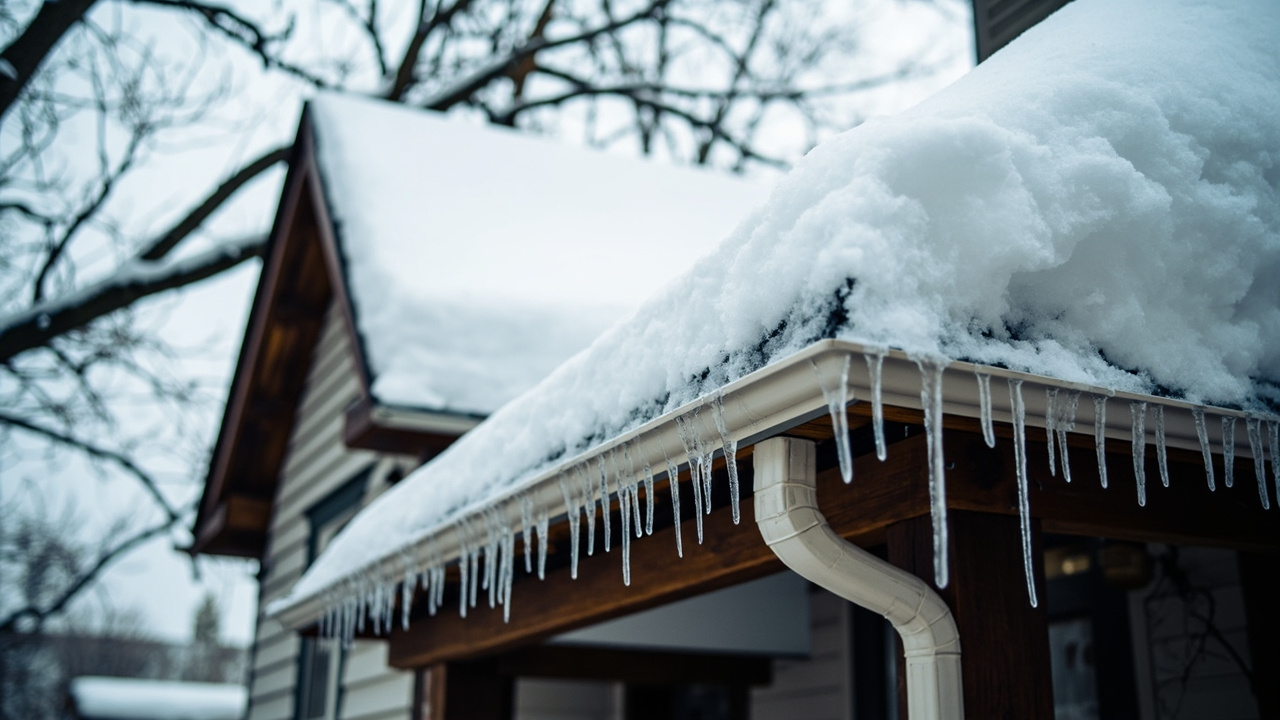
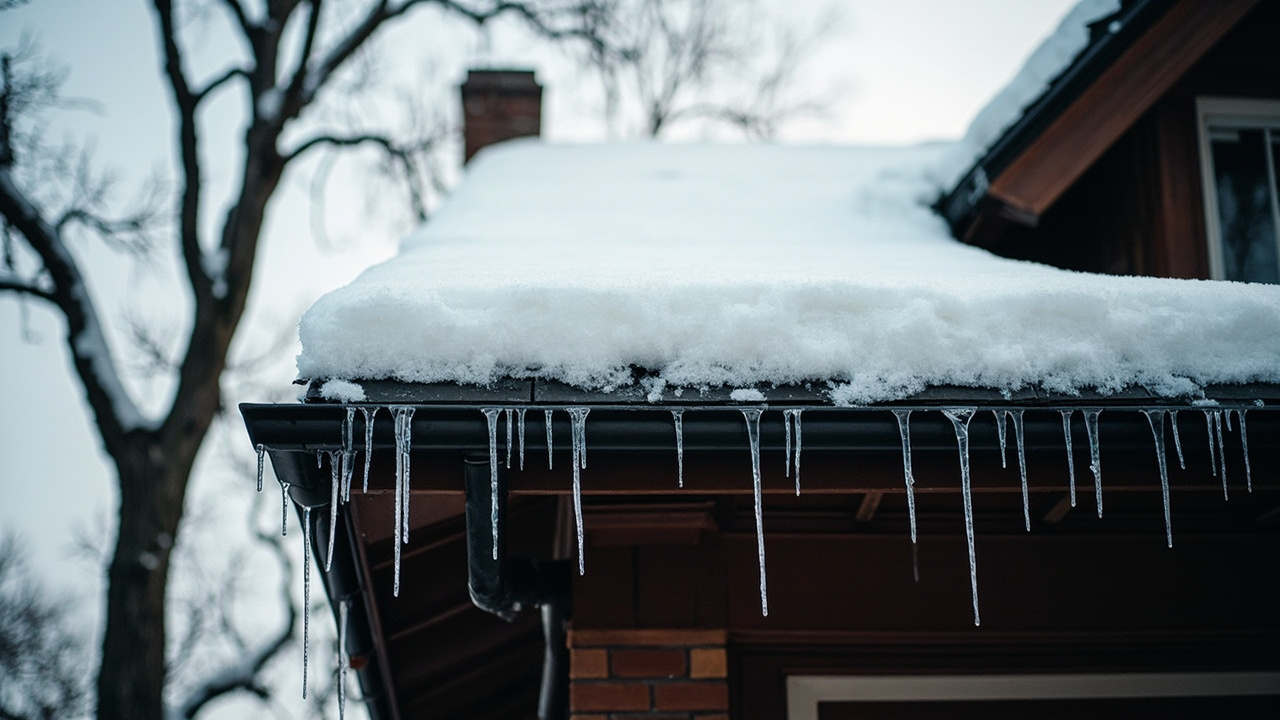
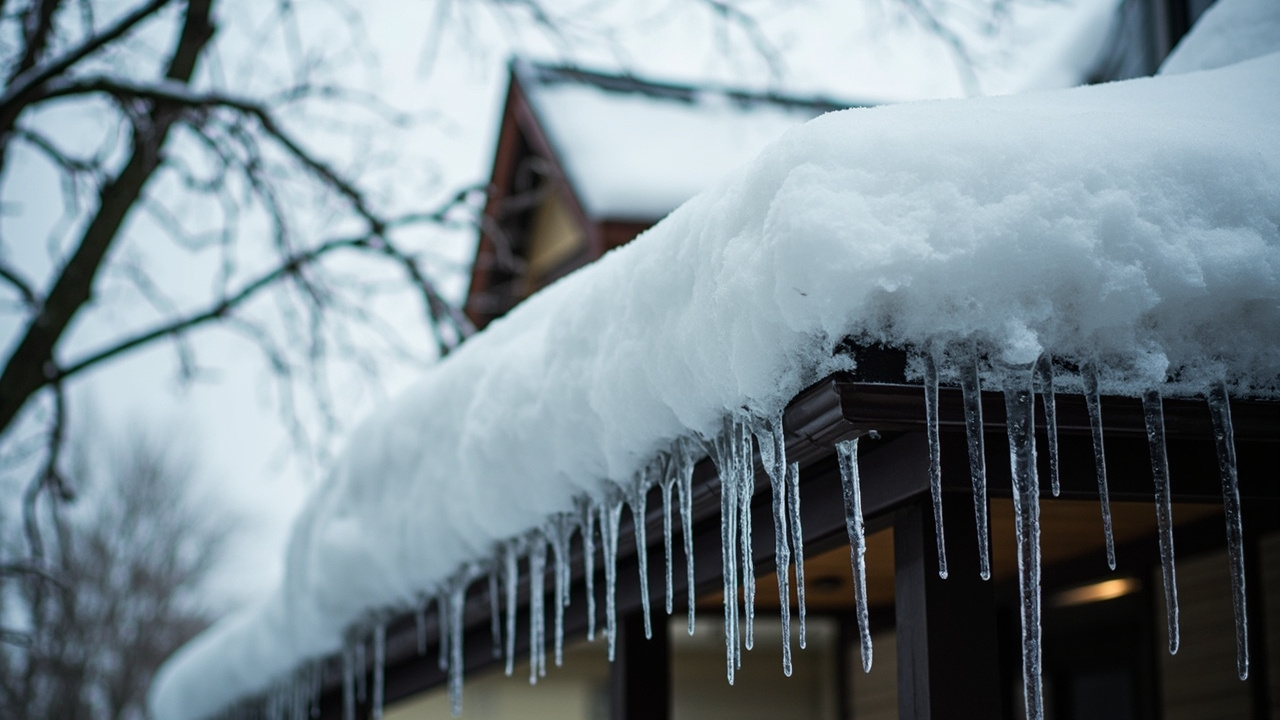
Ice dams form when heat escapes through your attic, melting snow on the upper roof. That water runs down, refreezes at the eaves, and creates a dam. Water backs up under your shingles and leaks into your home. You see ceiling stains, peeling paint, or worse.

The lake-effect snow from Lake Erie dumps heavy, wet loads on Detroit roofs. Most residential roofs handle 20 pounds per square foot. A foot of wet snow weighs about 12 pounds per square foot. Two feet and you are pushing structural limits. Add ice, and you risk collapse.

Your roof also faces wind-driven rain that pushes water under compromised flashing around chimneys, skylights, and vents. Once water penetrates the underlayment, rot spreads through the decking. By spring, you need a full replacement instead of simple winterizing maintenance.

Detroit homeowners who skip cold weather roofing upkeep face emergency repairs in January when contractors are swamped and prices surge. A winter roof care guide is not optional. It is financial survival.

Why Detroit Roofs Fail in Winter
The Correct Way to Winterize Your Roof

The Correct Way to Winterize Your Roof

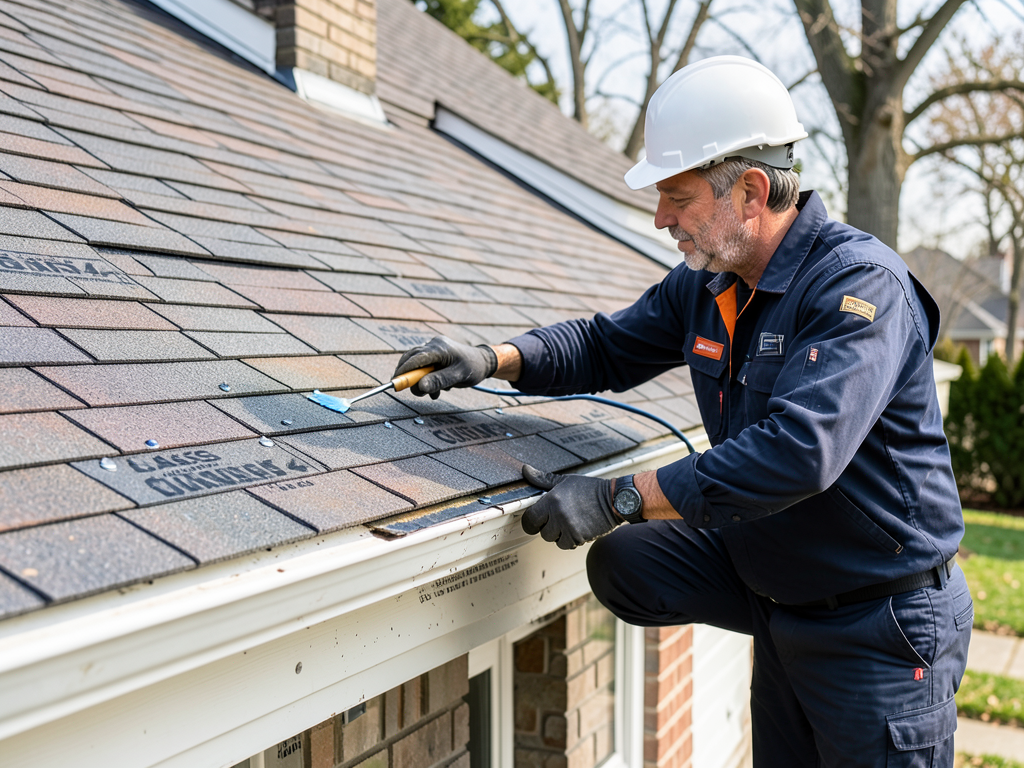
Preparing your roof for winter starts with a systematic inspection in late October. You need to identify vulnerabilities before snow covers the evidence.

Start with the gutters and downspouts. Clogged gutters trap water that freezes, adding weight and forcing ice up under the shingles. Remove all leaves, dirt, and granule debris. Check for proper pitch. Water should flow freely to downspouts that drain at least six feet from your foundation.

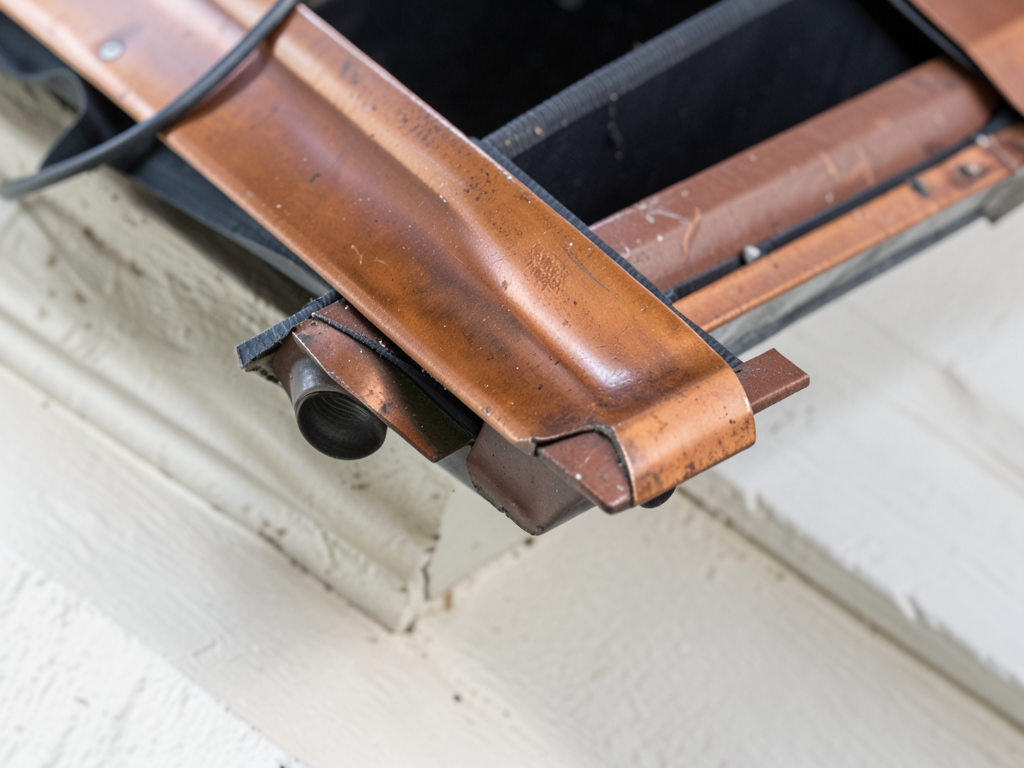
Inspect every shingle for curling, cracking, or missing granules. Detroit's temperature swings make asphalt shingles brittle. Look for lifted edges where wind can catch and rip them off. Check the flashing around chimneys, vents, and skylights. Gaps here are where leaks start. Flashing should be sealed tight with roofing cement, and step flashing should interlock with shingles properly.

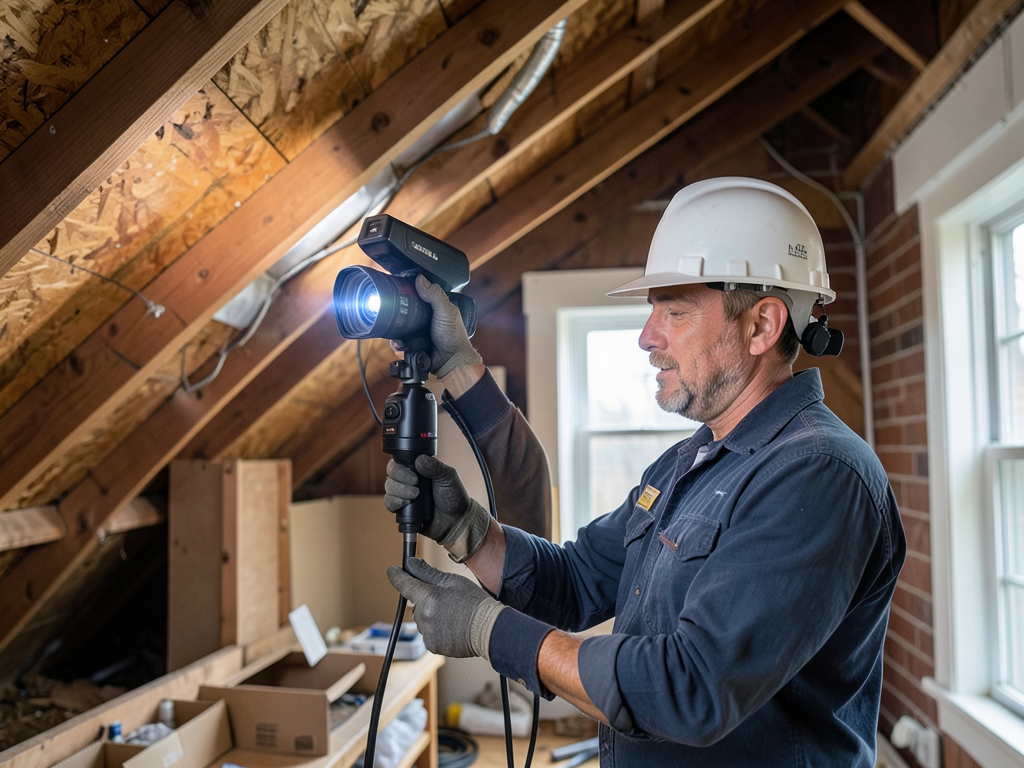
Walk your attic with a flashlight. Look for daylight coming through the roof deck. Check for water stains, mold, or rot on the underside of the decking. Examine your attic insulation. If you see uneven coverage or compressed areas, heat is escaping and melting snow on your roof. This creates ice dams.

Trim tree branches within six feet of your roofline. Ice-laden branches snap in Detroit's winter storms and punch through shingles. Overhanging branches also drop debris that clogs valleys and gutters.

Finally, check your ventilation. Ridge vents, soffit vents, and gable vents must remain clear. Proper airflow keeps your attic cold, preventing snow melt and ice dams.

Your Winter Roof Maintenance Checklist

Winter Roof Maintenance Tips in Detroit – Protect Your Home From Freeze-Thaw Damage and Ice Dam Failures
01

Pre-Winter Inspection

Schedule a professional roof inspection between mid-October and early November. A trained roofer identifies problems you miss from the ground. We check shingle integrity, flashing condition, gutter function, and attic ventilation. You receive a detailed report with photos and a prioritized list of repairs. Addressing small issues now prevents major failures when temperatures drop below freezing and snow accumulates on your roof.
02

Critical Repairs Completion

Complete all identified repairs before the first freeze. Replace damaged shingles, reseal flashing, repair gutter hangers, and address ventilation problems. This work must happen in temperatures above 40 degrees. Roofing cement does not seal properly in cold weather. Shingles become brittle and crack during installation. We prioritize repairs based on leak risk, ensuring your most vulnerable areas are protected first before winter conditions make repairs impossible or dangerous.
03

Ongoing Winter Monitoring

Monitor your roof throughout winter. After heavy snow, check for ice dam formation along your eaves. Look for icicles larger than a few inches, which signal poor ventilation or heat loss. Inspect your attic for new water stains after thaws. Clear snow from gutters if safe to access. Document any concerns with photos. Contact Peak Roofing Detroit immediately if you notice interior leaks, sagging rooflines, or large ice formations that indicate structural stress.

Why Detroit Homeowners Trust Peak Roofing Detroit for Winter Roof Care

Detroit roofs face unique challenges that out-of-state contractors do not understand. We have spent years repairing freeze-thaw damage on historic homes in Indian Village, replacing ice-damaged roofs in Rosedale Park, and winterizing commercial buildings downtown. We know how Detroit winters attack your roof.

Our team understands local building codes and the specific requirements for steep-slope roofing common in Detroit's older neighborhoods. Many historic homes feature complex rooflines with multiple valleys, dormers, and decorative elements. These architectural details create vulnerable points where ice dams form and water infiltrates. We know how to protect these features without compromising the historic character.

We also understand the seasonal urgency. Detroit's short fall window between summer heat and winter freeze means you have maybe six weeks for exterior work. We prioritize winter prep jobs in October and November, ensuring your roof is protected before snow flies. We do not overbook and leave you exposed when the first blizzard hits in December.

Peak Roofing Detroit uses cold-weather roofing products designed for Michigan's climate. Our ice and water shield underlayment exceeds code requirements. Our flashing techniques account for thermal expansion and contraction that happens when temperatures swing 40 degrees in 12 hours.

You also get straight answers. If your roof needs replacement, we tell you. If it needs minor repairs, we do not upsell. We provide itemized estimates, explain what each repair prevents, and let you make informed decisions. Our goal is to keep your roof functional through multiple Detroit winters, not to maximize each invoice.

What to Expect From Professional Winter Roof Maintenance

Inspection and Assessment Timeline

Most inspections take 60 to 90 minutes. We examine your roof from multiple angles, walk the surface if safe, and inspect your attic interior. You receive a digital report within 24 hours with photos, findings, and repair recommendations. We categorize repairs as critical, recommended, or optional, helping you prioritize based on budget and risk. If you need emergency repairs before winter, we schedule those within 48 hours. Non-urgent maintenance can be scheduled flexibly through late October and November, depending on weather windows and crew availability.

Comprehensive Visual and Physical Inspection

Our inspection covers every potential failure point. We test shingle adhesion, check for granule loss, examine flashing seals, and verify proper overlap at valleys and ridges. We inspect chimney flashing, vent pipe boots, and skylight seals. Inside your attic, we check for adequate insulation depth, proper ventilation flow, and signs of previous leaks or condensation. We photograph problem areas so you see exactly what we see. This documentation also helps if you file insurance claims for storm damage. You understand the condition of your roof and why specific repairs matter.

Quality Repairs That Last

Repairs are completed using materials rated for Michigan winters. We use architectural shingles that match your existing roof. Flashing repairs use code-compliant metal and high-grade roofing cement. Gutter repairs include hidden hangers and proper slope adjustment. All work is completed by experienced roofers who understand how Detroit weather tests every seal and fastener. You get repairs that survive freeze-thaw cycles, wind-driven rain, and heavy snow loads. We do not use shortcuts or inferior materials that fail by February. The goal is a roof that performs through the entire winter season without callbacks or emergency visits.

Post-Winter Follow-Up and Spring Inspection

After winter, we offer follow-up inspections to assess how your roof performed. Spring inspections identify any damage from ice, wind, or heavy snow that you might have missed. This is also when we check if winter repairs held up or if adjustments are needed. We document the condition for your records and help you plan any necessary maintenance before summer storms arrive. This ongoing relationship means you are not scrambling for a roofer every time a problem appears. You have a trusted resource who knows your roof's history and can respond quickly when issues arise.

Frequently Asked Questions

You Have Questions,
We Have Answers

How to prepare your roof for winter? +

Start by clearing all gutters and downspouts of leaves and debris to prevent ice dams. Inspect shingles for cracks, curling, or missing pieces that Detroit's freeze-thaw cycles can worsen. Check flashing around chimneys and vents for gaps where water can enter. Trim overhanging branches that could break under heavy snow loads. Examine attic ventilation and insulation to reduce heat loss that causes ice buildup. Schedule a professional inspection if you spot damaged areas. Detroit winters are harsh, and small problems become expensive emergencies once snow and ice arrive.

What can I sprinkle on my roof to prevent moss? +

Zinc sulfate powder or granules work effectively to prevent moss growth on roofing materials. Apply it along the ridge line before rain so water carries zinc ions down the roof surface. You can also install zinc strips near the peak. The metal reacts with moisture and creates an environment where moss cannot thrive. In Detroit's humid climate, moss prevention matters because moisture retention accelerates shingle deterioration. Copper sulfate also works but can stain. Apply treatments in early spring or fall for best results.

What do roofers do for work in the winter? +

Detroit roofers stay busy through winter handling emergency repairs from ice dam damage, fallen tree limbs, and wind-blown shingles. They perform tear-offs and installations on mild days above 40 degrees when materials remain pliable. Interior work like attic insulation upgrades, ventilation improvements, and structural repairs continue year-round. Commercial flat roof repairs happen in winter since businesses cannot always wait for spring. Experienced crews prepare materials properly and work quickly during temperature windows. Emergency tarp installations and leak mitigation keep roofers working even during the coldest stretches.

What temperature is too cold for roofing? +

Most asphalt shingles require temperatures above 40 degrees Fahrenheit for proper installation. Below this threshold, shingles become brittle and sealant strips will not activate correctly. Adhesives and underlayment also fail to bond properly in extreme cold. Detroit winter temperatures frequently drop below freezing, making new installations risky. However, emergency repairs can happen at lower temperatures using special cold-weather materials and hand-sealing techniques. Metal roofing and some commercial systems tolerate colder installation temperatures. Professional roofers monitor weather forecasts closely and time work during brief warm spells.

Should I insulate the underside of my roof? +

Insulating between roof rafters improves energy efficiency and prevents ice dams in Detroit homes. Use unfaced fiberglass batts or spray foam, leaving a two-inch air gap between insulation and roof decking for ventilation. Proper attic insulation keeps warm air from melting snow on your roof, which refreezes at eaves and creates damaging ice dams. Combine insulation with soffit and ridge vents for airflow. If your attic floor already has adequate insulation, adding more to the underside may create moisture problems. Consult a roofing professional about your specific ventilation needs.

Can I apply roof Maxx myself? +

Roof Maxx application requires specific equipment and technique to work properly. The soy-based treatment must penetrate shingles evenly at the correct rate. DIY application often results in uneven coverage, pooling, or insufficient penetration. The product also requires professional assessment to determine if your shingles are suitable candidates. Overly damaged or smooth shingles will not absorb the treatment effectively. Roof Maxx typically offers dealer-installed programs with guarantees. Given Detroit's harsh weather conditions, improper application could waste money without extending shingle life. Professional installation ensures correct coverage and validates any warranty protection.

Do zinc strips really work on roofs? +

Zinc strips installed along roof ridges do prevent moss and algae growth when used correctly. Rainwater reacts with zinc, creating zinc carbonate that washes down the roof and inhibits organic growth. Effectiveness depends on proper installation width and placement. Detroit's frequent rainfall helps distribute zinc ions across shingle surfaces. Copper strips work similarly. The strips typically last 10-15 years before requiring replacement. They work best as prevention rather than removing existing growth. You must clean established moss first, then install strips. For maximum coverage, install multiple rows spaced 10-15 feet apart.

What is the white powder people put on their roofs? +

The white powder is typically calcium chloride or specialized ice melt products designed for roofs. Homeowners apply it to melt ice dams and prevent water backup under shingles. Traditional rock salt damages roofing materials and vegetation, while calcium chloride works at lower temperatures without causing as much harm. Some products combine melting agents with traction grit. In Detroit, ice dams form when heat escapes through poorly insulated attics, melting snow that refreezes at eaves. The powder provides temporary relief but does not fix the underlying insulation and ventilation problems causing ice buildup.

What time of year should you remove moss from your roof? +

Remove moss from your roof in late spring or early fall when weather is dry and temperatures are moderate. Avoid winter removal in Detroit because shingles become brittle in cold temperatures and you risk damaging them during cleaning. Spring removal prevents moss from growing aggressively through summer humidity. Fall cleaning prepares your roof before winter moisture arrives. Use a soft brush or low-pressure water, working downward from the ridge. Never use a pressure washer because it strips protective granules from shingles. After cleaning, apply zinc strips or moss-prevention treatments to stop regrowth.

Does roof Maxx really work? +

Roof Maxx restores flexibility to aging asphalt shingles by replacing oils lost through weathering and UV exposure. Independent testing shows the soy-based treatment penetrates shingles and increases flexibility for approximately five years. It works best on shingles showing early aging signs like minor granule loss or slight curling. Severely damaged, brittle, or smooth shingles will not absorb treatment effectively. Detroit's freeze-thaw cycles accelerate shingle aging, making rejuvenation attractive for roofs in the 10-15 year range. The treatment costs less than replacement but provides temporary extension, not permanent restoration. Results vary based on existing shingle condition.

How Detroit's Freeze-Thaw Cycles Destroy Unprepared Roofs

Detroit averages 40 freeze-thaw cycles each winter. Water expands nine percent when it freezes. That expansion force splits shingles, cracks flashing seals, and opens gaps in roof valleys. Each cycle widens existing damage. A hairline crack in November becomes a quarter-inch gap by March. This is why preparing your roof for winter in Detroit is not the same as winterizing a roof in milder climates. The repetitive stress is relentless. Homes near the Detroit River and in low-lying areas like Corktown experience even more moisture exposure, accelerating deterioration. If your roof is not sealed tight before the first freeze, you are already behind.

Detroit building codes require ice and water shield underlayment in vulnerable areas, but many older roofs were installed before these requirements. Peak Roofing Detroit brings decades of experience working on Detroit's diverse housing stock, from brick bungalows in Grandmont Rosedale to Victorian mansions in Boston Edison. We understand the architectural quirks, common failure points, and cost-effective solutions that work for Detroit homeowners. Choosing a local contractor means working with someone who has repaired hundreds of roofs damaged by the same winter conditions your home faces. We know what works and what fails when January temperatures hit single digits.
Roofing Services in The Detroit Area

Our local headquarters are strategically located to efficiently serve all of Detroit and the surrounding areas. We invite you to view our service region and location on the map. As a trusted local contractor, we are never far from your neighborhood and are committed to providing quick, reliable, and convenient service wherever you are within the metropolitan area.

Address:
Peak Roofing Detroit, 19549 Gilmore St, Reseda, CA, 91335

Additional Services We Offer

Our news updates

Latest Articles & News from The Blogs

Choosing the Right Roof Color for a Brick Ranch in Warren Selecting the right roof color for your brick ranch…

Choosing the Right Roof Color for a Brick Ranch in Warren

Choosing the Right Roof Color for a Brick Ranch in Warren Selecting the right roof color for your brick ranch…

Why "Cheap" Roofing Quotes Often End Up Costing Detroiters Double in the Long Run

Why “Cheap” Roofing Quotes Often End Up Costing Detroiters Double in the Long Run Detroit homeowners searching for the lowest…

How the Humidity from Lake St. Clair Affects the Lifespan of Your Harrison Township Roof

How the Humidity from Lake St. Clair Affects the Lifespan of Your Harrison Township Roof \n\n The constant moisture and…

Contact Us

Do not wait for leaks to appear. Call Peak Roofing Detroit at (313) 604-2233 to schedule your pre-winter roof inspection. We will identify problems, prioritize repairs, and protect your home before snow arrives. Limited slots available through November.