menu

Roof Ventilation Explained in Detroit – Your Complete Guide to Attic Airflow and Energy Efficiency

Learn the principles of attic ventilation, understand how roof airflow works, and discover why proper venting is critical for protecting your Detroit home from ice dams, mold growth, and skyrocketing energy bills.

Slider Image 1
Slider Image 2
Slider Image 3
Slider Image 4
Slider Image 5
Slider Image 7
Slider Image 8
Slider Image 9
Slider Image 10
Slider Image 11

Why Detroit Homeowners Need to Understand Roof Ventilation

Detroit's freeze-thaw cycles create a relentless test for your roof. When winter temperatures swing from 15°F to 35°F in a single day, your attic becomes a battleground. Without proper ventilation, warm air from your home rises into the attic space, heats the roof deck, and melts snow from underneath. That meltwater runs down to the eaves where it refreezes into ice dams. Those ice barriers force water under your shingles, damaging decking, insulation, and interior ceilings.

Understanding roof airflow is your first defense. Roof venting basics start with a simple concept: air needs to enter low and exit high. Intake vents in your soffits pull cool outside air into the attic. Exhaust vents at the ridge or gables allow hot, moisture-laden air to escape. This continuous movement regulates temperature and controls humidity.

The principles of attic ventilation apply year-round in Detroit. Summer heat that bakes your shingles can reach 150°F, cooking your roof from the inside out and cutting its lifespan by years. Winter moisture from cooking, showers, and breathing rises into your attic. Without ventilation, that humidity condenses on cold roof decking, feeding mold and rotting wood framing.

Historic Detroit homes in neighborhoods like Indian Village and Palmer Woods present unique challenges. Many were built before modern venting standards existed. Those beautiful slate and tile roofs often lack adequate intake or exhaust, trapping heat and moisture for decades. Understanding how roof ventilation works helps you diagnose problems before they become expensive disasters.

Why Detroit Homeowners Need to Understand Roof Ventilation
How Roof Ventilation Systems Actually Work

How Roof Ventilation Systems Actually Work

Proper attic ventilation operates on a balanced system. You need equal intake and exhaust capacity, measured in net free area. Most building codes require 1 square foot of ventilation for every 150 square feet of attic space, split evenly between intake and exhaust.

Intake vents sit at the lowest point of your roof system, typically in the soffit or eave areas. These pull fresh air into the attic as hot air exits through upper vents. Continuous soffit vents provide the most consistent intake along the entire roof perimeter. Without adequate intake, your exhaust vents cannot function. They create negative pressure that pulls conditioned air from your living space through ceiling penetrations, wasting energy.

Exhaust vents remove hot, moist air from the attic peak. Ridge vents run along the entire roof spine, providing the most effective exhaust because they work with natural convection. Hot air rises to the ridge and exits while cooler air enters below. This creates a continuous airflow loop that regulates temperature and moisture.

An attic ventilation guide must address the convection cycle. As attic air heats, it becomes less dense and rises toward the peak. This creates negative pressure at the soffits, pulling in cooler outside air. The temperature differential drives airflow speed. A 20-degree difference between attic and outside air can move hundreds of cubic feet per minute through your roof system.

Baffles between each rafter bay ensure insulation does not block soffit vents. These channels maintain clear pathways from intake to exhaust. Without baffles, blown insulation migrates into soffits and suffocates airflow. You end up with dead zones where moisture accumulates and heat builds.

How We Assess Your Roof Ventilation System

Roof Ventilation Explained in Detroit – Your Complete Guide to Attic Airflow and Energy Efficiency
01

Attic Inspection and Measurement

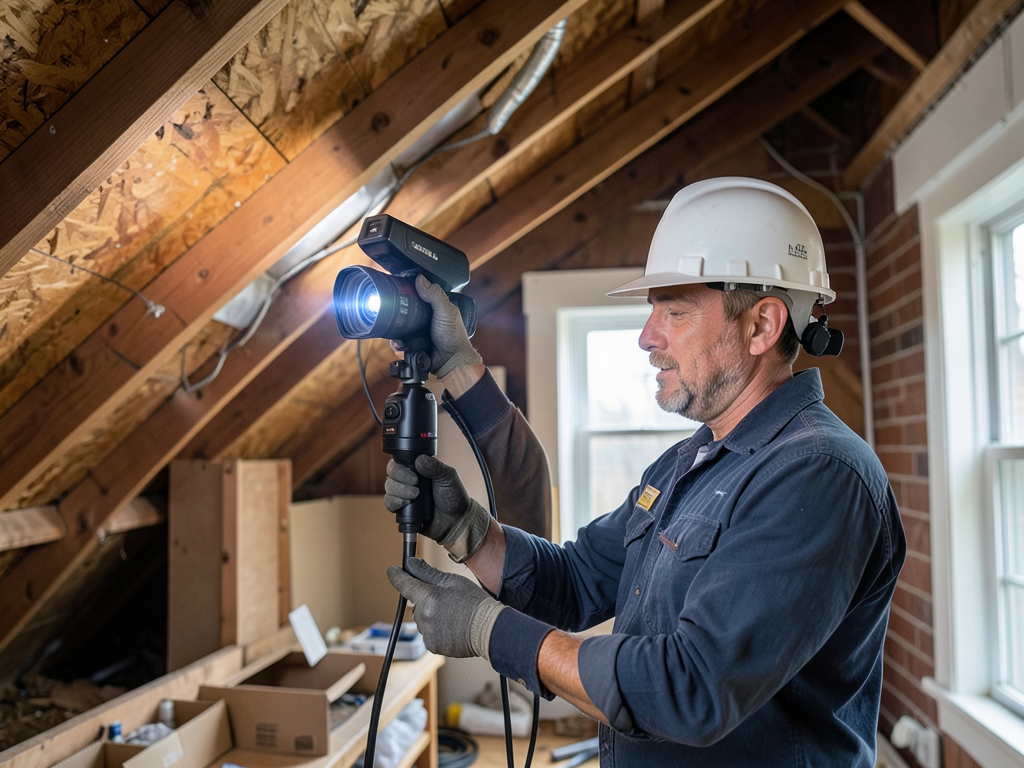
We start by entering your attic space to measure total square footage and calculate required net free area. We inspect existing vents for blockages, damage, and proper installation. We check insulation depth at the eaves to identify any that has migrated into soffit vents. We look for moisture stains on decking and framing that indicate ventilation failure. We measure temperature differentials between attic and exterior to assess airflow performance.
02

Exterior Vent Evaluation

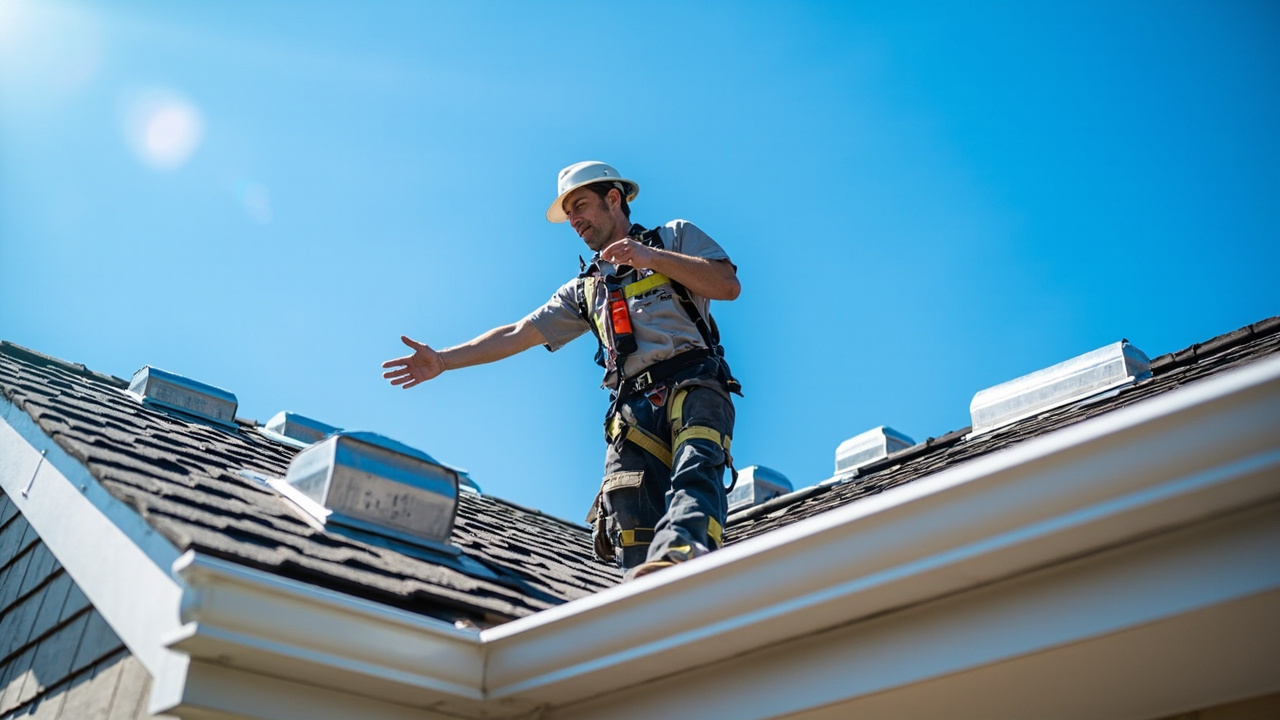
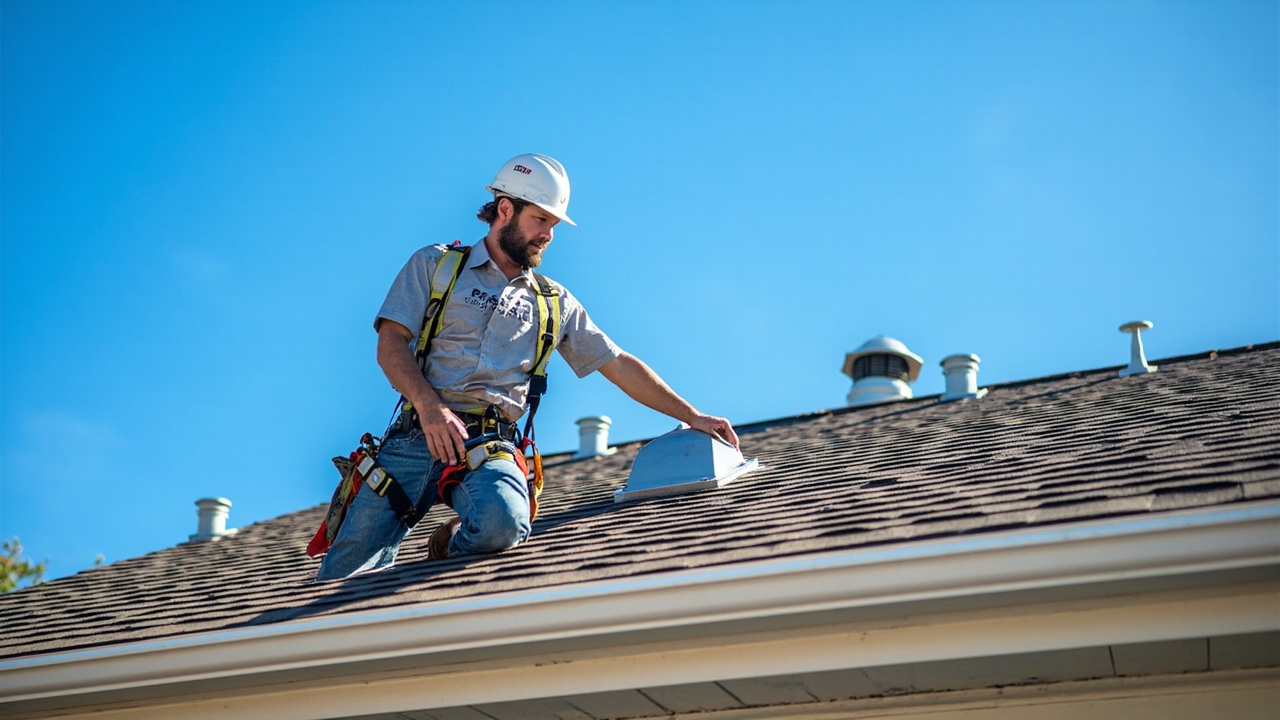
From the roof and ground level, we examine all exhaust vents including ridge vents, gable vents, turbines, and static vents. We verify they are not blocked by debris, wasp nests, or damaged screens. We assess soffit vents for paint blockage, screening condition, and coverage gaps. We calculate total intake versus exhaust capacity to identify imbalances. We check for competing vent types that disrupt airflow patterns.
03

Customized Ventilation Plan

Based on your roof design, attic configuration, and existing system, we develop a ventilation strategy that balances intake and exhaust. We recommend specific vent types, quantities, and locations that work with your architecture. For complex roofs with multiple levels or dormers, we design zone-specific solutions. We provide clear explanations of how the improvements will protect your roof investment and reduce energy costs.

Why Detroit Homeowners Trust Peak Roofing Detroit for Ventilation Expertise

Detroit's housing stock spans 150 years of architectural evolution. A 1920s bungalow in Corktown requires different ventilation solutions than a 1960s ranch in Redford or a new construction in Midtown. We work with this diversity every day.

We understand Michigan's building code requirements and how they have changed through decades of amendments. Many Detroit homes were last reroofed in the 1980s or 1990s, before current ventilation standards existed. Those roofs often have inadequate intake or exhaust, or both. We retrofit modern ventilation systems into older roof structures without compromising architectural character.

Historic district approvals require careful planning. Homes in designated areas like Boston-Edison or East English Village face restrictions on visible changes. We design ventilation solutions that meet code requirements while respecting historic preservation guidelines. This might include low-profile ridge vents that blend with existing rooflines or hidden soffit intake systems.

We see the specific failure patterns that Detroit weather creates. Ice dam damage along north-facing eaves. Mold growth on north roof decking where sun exposure is minimal. Premature shingle failure on south and west exposures where summer heat accumulates. These problems all connect to ventilation deficiencies.

Our diagnostic process identifies root causes, not just symptoms. A ceiling stain might result from ice dam backup, but the underlying issue is ventilation imbalance combined with inadequate attic insulation. We address both problems together. This systems-thinking approach prevents recurring damage and extends roof life.

We explain ventilation concepts in plain language. You will understand why your roof needs specific improvements and how those changes protect your home. No jargon-filled sales pitch, just clear information that helps you make informed decisions about your property.

What to Expect When Upgrading Your Roof Ventilation

Assessment Timeline

A thorough ventilation assessment takes 60 to 90 minutes. We need attic access, so you will need to clear any stored items blocking the hatch. We inspect in all weather conditions because temperature and humidity readings provide critical performance data. We schedule assessments at your convenience, typically within three to five business days of your call. You receive a written evaluation within 24 hours that includes measurements, calculations, and specific recommendations.

The Evaluation Process

We document existing ventilation with photos and measurements. We calculate net free area for all intake and exhaust vents. We measure attic temperature and humidity, comparing them to exterior conditions. We inspect insulation for proper depth and soffit clearance. We check roof decking and framing for moisture damage or mold. You receive a detailed report that explains what we found, why it matters, and what improvements will provide the greatest benefit.

Installation Quality

Ventilation upgrades must integrate seamlessly with your existing roof. Ridge vent installation requires cutting the roof deck along the peak and installing baffled vents that prevent weather infiltration while maximizing exhaust. Soffit vent retrofits involve precise cutting to avoid damaging fascia or rafter tails. We seal all penetrations with ice and water barrier and matching sealants. We clean up completely and remove all debris. The finished work looks original to your home, with no visible gaps, mismatched colors, or rough edges.

Long-Term Performance

Properly installed ventilation systems require minimal maintenance. We recommend annual visual checks to ensure vents remain clear of debris and nests. During roof inspections, we verify that baffles remain in place and insulation has not migrated into soffit areas. If you experience ice dam formation or notice attic moisture after ventilation upgrades, we return to assess whether additional improvements are needed. Most systems perform effectively for decades once balanced intake and exhaust are established.

Frequently Asked Questions

You Have Questions,
We Have Answers

How does a roof ventilation system work? +

Roof ventilation systems create continuous airflow through your attic by combining intake vents at the eaves and exhaust vents near the ridge. Cool air enters through soffit vents at the bottom, flows upward through the attic space, and exits through ridge vents or other exhaust points at the top. This natural convection process removes hot, humid air in summer and prevents moisture buildup in winter. In Detroit, where we experience humid summers and freezing winters, proper airflow prevents ice dams, mold growth, and premature shingle deterioration. The system works passively without electricity, using temperature differences to drive circulation.

What is the proper venting for a roof? +

Proper roof venting requires balanced intake and exhaust ventilation. Install intake vents along the soffits or eaves to allow fresh air entry. Pair these with exhaust vents near the roof peak, such as ridge vents, gable vents, or roof-mounted turbines. The ratio should provide equal square footage for intake and exhaust to maintain balanced airflow. In Detroit, proper venting combats our high summer humidity and winter freeze-thaw cycles. Avoid mixing exhaust vent types, which can disrupt airflow patterns. Insulation baffles should keep soffit vents clear to ensure intake air reaches the attic space unobstructed.

What is the 1 to 300 rule for ventilation? +

The 1 to 300 rule states you need one square foot of net free ventilation area for every 300 square feet of attic floor space. This assumes balanced intake and exhaust venting. If your system lacks balance, you need one square foot per 150 square feet. For Detroit homes, this calculation matters because our temperature swings stress attic environments. Calculate your attic square footage, divide by 300, then split that number equally between intake and exhaust vents. Account for vent screens and louvers, which reduce actual airflow area by 50 to 75 percent.

Does roof ventilation really work? +

Yes, roof ventilation works when installed correctly. Homes with balanced ventilation systems show measurably lower attic temperatures, reduced moisture levels, and longer shingle life. In Detroit, properly vented roofs handle our humid summers and cold winters more effectively, preventing ice dams that plague many homes here. Studies show ventilated attics can run 20 to 30 degrees cooler than unvented spaces in summer. You will notice reduced cooling costs, fewer condensation issues, and better overall roof performance. The system must be balanced, though. Inadequate or unbalanced venting provides minimal benefit.

Can rain come in through roof vents? +

Quality roof vents are designed to prevent rain entry through baffles, angled louvers, or weather shields. Ridge vents use external baffles and internal filters to block wind-driven rain. Static vents and turbines include protective hoods. In Detroit, where we experience heavy downpours and snow, proper installation matters more than vent type. Driving rain can occasionally penetrate poorly installed or damaged vents. Check that vents sit flush against roofing, use appropriate underlayment, and include manufacturer-specified flashing. Ice dams can also force water backward through vents. Maintain proper attic insulation and ventilation balance to prevent this.

Do I need vent baffles in every rafter? +

You do not need baffles in every single rafter bay, but you need them wherever soffit vents align with attic intake areas. Baffles maintain a clear airflow channel between the roof deck and insulation, preventing insulation from blocking soffit vents. In Detroit homes with blown-in insulation, baffles prevent the material from shifting and clogging intake paths. Install baffles in every rafter bay that has a corresponding soffit vent. This ensures consistent airflow across the entire attic floor. Skip baffles only where no soffit vent exists or where structural elements already provide airflow channels.

What happens if a roof isn't vented? +

Unvented roofs trap heat and moisture, causing serious damage over time. In summer, attic temperatures can exceed 150 degrees, baking shingles from below and shortening their lifespan. In Detroit winters, warm interior air meets cold roof decks, creating condensation that soaks insulation and promotes mold growth. Ice dams form when trapped heat melts snow unevenly. You will see warped decking, rusted fasteners, rotted framing, and premature shingle failure. Energy costs climb because trapped heat radiates into living spaces. Structural damage can require expensive repairs. Proper ventilation prevents all these issues by maintaining stable attic conditions year-round.

What are the rules for roof ventilation? +

Roof ventilation follows building codes that typically require one square foot of vent area per 150 to 300 square feet of attic space. Balance intake vents at the soffits with exhaust vents at the ridge or gables, providing equal area for each. Keep vents clear of insulation using baffles. In Detroit, local building codes align with Michigan residential standards, which reference International Building Code guidelines. Maintain at least one inch of clearance between insulation and roof decking. Avoid mixing different exhaust vent types on the same roof plane, which disrupts natural airflow patterns and reduces system effectiveness.

How many roof vents for a 2000 sq ft house? +

A 2000 square foot house typically needs about seven square feet of total net free ventilation area, split between intake and exhaust. This assumes the 1 to 300 rule. If using ridge vents with 18 square inches of net free area per linear foot, you need roughly 28 linear feet of ridge vent. Pair this with continuous soffit vents providing equal intake area. Detroit homes often need adjustments based on roof complexity and pitch. Steep roofs, multiple roof planes, or hip roofs may require additional calculation. Count only the conditioned attic space, not unconditioned porches or garages.

Can you have too many roof vents? +

Yes, you can over-vent a roof, though it happens less often than under-venting. Excessive exhaust venting relative to intake creates negative pressure that can pull conditioned air from your living space into the attic, wasting energy. It can also draw moisture into the attic during Detroit winters. The real problem occurs when you mix vent types, like adding box vents and ridge vents together. This causes short-circuiting, where exhaust vents steal air from each other instead of pulling from soffit intakes. Stick to balanced intake and exhaust ratios using a single exhaust vent type for best results.

How Detroit's Temperature Swings Make Roof Ventilation Critical

Detroit averages 43 freeze-thaw cycles each winter, more than most Great Lakes cities. A January morning might start at 12°F and reach 38°F by afternoon. Your attic temperature swings with it, creating condensation as warm air contacts cold surfaces. This daily moisture cycle saturates insulation and rots wood faster than steady cold temperatures. Proper ventilation exhausts moisture-laden air before it condenses on roof decking. The principles of attic ventilation become life-or-death for roof longevity in this climate. Ridge vents combined with continuous soffit intake provide the airflow volume needed to handle Detroit's dramatic temperature changes.

Detroit building codes adopted modern ventilation requirements in the 1990s, but the majority of homes were built before then. Understanding roof airflow helps you evaluate whether your home meets current standards. Older homes in neighborhoods like Grandmont Rosedale or Green Acres often lack adequate intake venting. We work with Detroit's building department regularly and understand permit requirements for ventilation retrofits. Local expertise matters because we know which solutions meet code while respecting the architectural character that defines Detroit's historic neighborhoods.
Roofing Services in The Detroit Area

Our local headquarters are strategically located to efficiently serve all of Detroit and the surrounding areas. We invite you to view our service region and location on the map. As a trusted local contractor, we are never far from your neighborhood and are committed to providing quick, reliable, and convenient service wherever you are within the metropolitan area.

Address:
Peak Roofing Detroit, 19549 Gilmore St, Reseda, CA, 91335

Additional Services We Offer

Our news updates

Latest Articles & News from The Blogs

Why Clay Tile Roofs in Grosse Pointe Park Need Specialized Maintenance\n\nClay tile roofs define the historic character of Grosse Pointe…

Why Clay Tile Roofs in Grosse Pointe Park Need Specialized Maintenance

Why Clay Tile Roofs in Grosse Pointe Park Need Specialized Maintenance\n\nClay tile roofs define the historic character of Grosse Pointe…

Is a Standing Seam Metal Roof the Right Choice for Your Grosse Pointe Farms Estate

Is a Standing Seam Metal Roof the Right Choice for Your Grosse Pointe Farms Estate Standing seam metal roofing offers…

Why Hazel Park Homeowners are Choosing Performance Shingles for Their First Houses

Why Hazel Park Homeowners are Choosing Performance Shingles for Their First Houses When Hazel Park first-time homeowners look up at…

Contact Us

Stop moisture damage and ice dams before they destroy your roof. Call Peak Roofing Detroit at (313) 604-2233 for a comprehensive ventilation evaluation. We will show you exactly what your attic needs and why it matters.