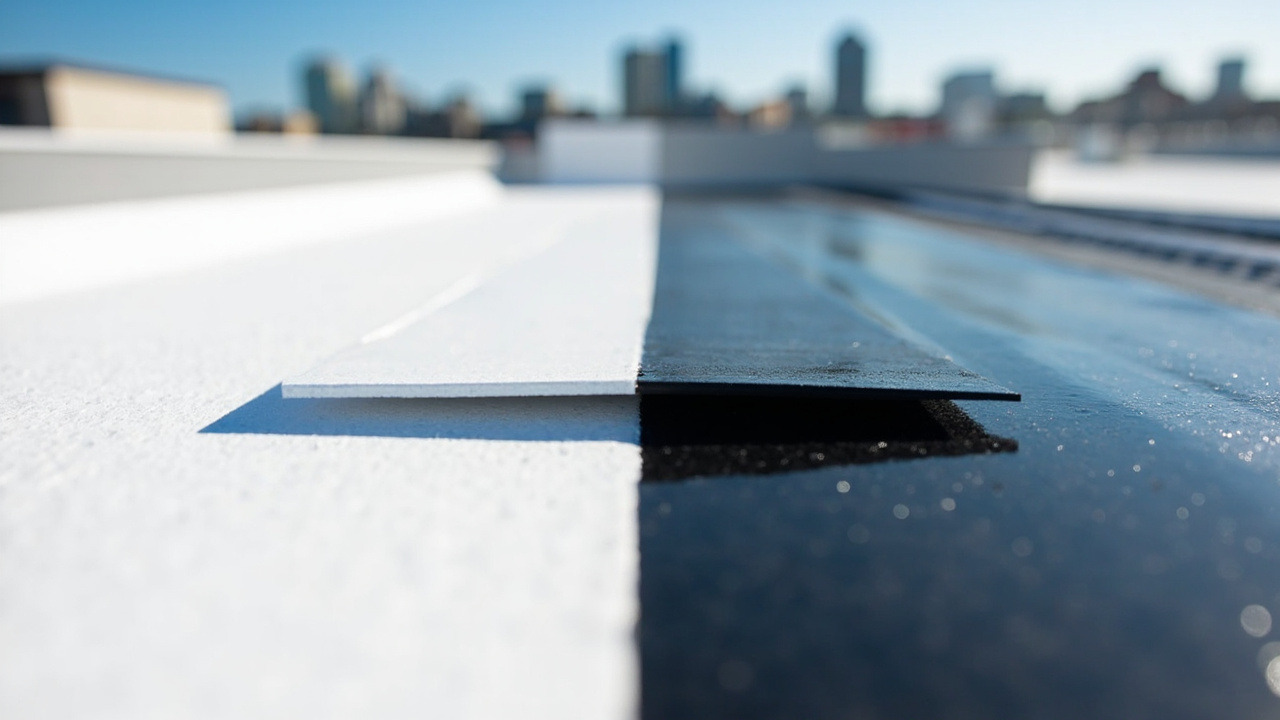
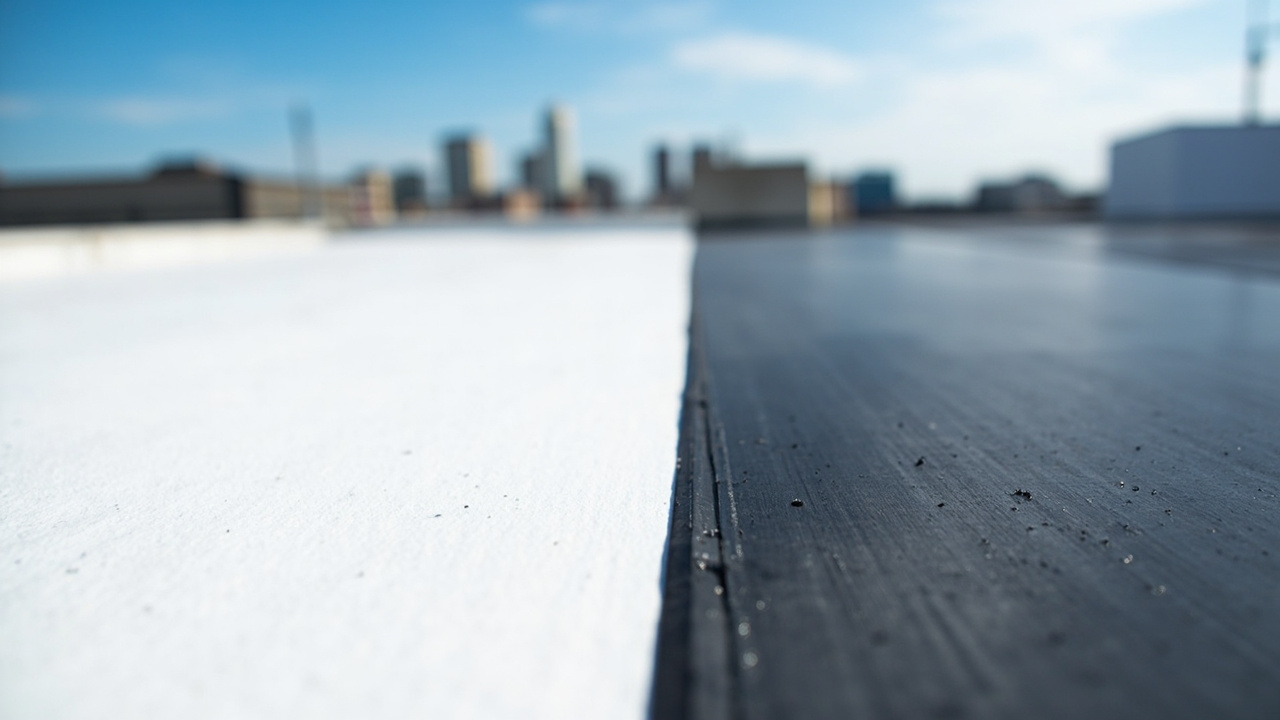
Detroit experiences 80 to 100 freeze-thaw cycles each winter, more than most Midwest cities due to our proximity to the Great Lakes. When daytime temperatures rise above freezing and nighttime temperatures drop below 32 degrees, any water trapped in roof seams or beneath membranes expands and contracts repeatedly. This cyclical stress tests the elongation properties of roofing membranes. EPDM's rubber composition maintains flexibility through these temperature swings better than some TPO formulations. However, TPO's heat-welded seams eliminate the tape-sealed joints where EPDM systems sometimes develop leaks after years of freeze-thaw exposure. The difference between TPO and EPDM performance in Detroit depends heavily on installation quality and whether the roof has positive drainage to prevent ice formation.
Detroit's commercial building stock includes thousands of flat-roof warehouses, retail centers, and industrial facilities built between 1950 and 1990. Many have inadequate insulation and poor drainage by current standards. Local building codes now require minimum R-30 insulation for commercial roofs and positive drainage to all roof drains. When you work with Peak Roofing Detroit, you get contractors who understand these requirements and can bring older buildings up to current code during roof replacement. We know which insulation substrates work under TPO versus EPDM, how to detail parapet flashings to prevent ice dam damage, and where drainage improvements provide the biggest protection against ponding water. Local expertise matters when your roof replacement must meet Detroit's commercial building codes and survive our weather patterns.