menu

Repair vs. Replace Analysis in Detroit – Get the Data-Driven Answer in 24 Hours

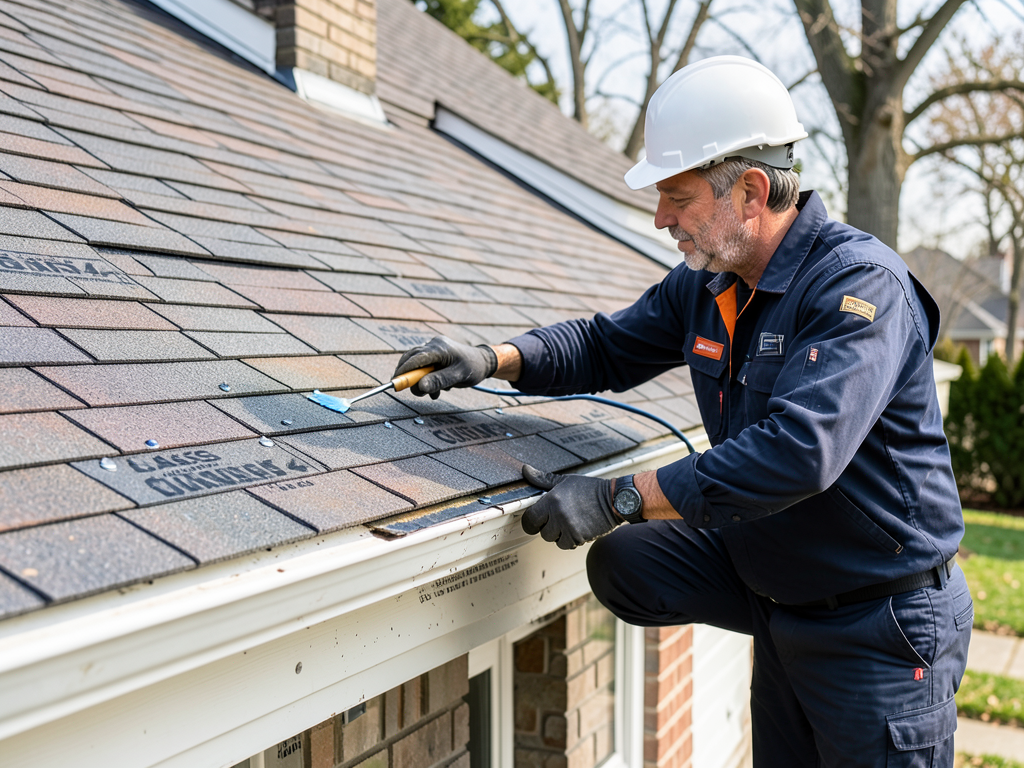
Peak Roofing Detroit delivers comprehensive roof repair vs replacement cost comparison and fix vs replace roof evaluation using thermal imaging, moisture mapping, and structural assessment to determine the most cost-effective path forward for your property.

Slider Image 1
Slider Image 2
Slider Image 3
Slider Image 4
Slider Image 5
Slider Image 7
Slider Image 8
Slider Image 9
Slider Image 10
Slider Image 11

Detroit's Freeze-Thaw Cycles Create Hidden Damage That Simple Visual Inspections Miss

You walk outside and see shingles that look weathered but intact. Maybe you have a leak in the attic. Maybe your energy bills jumped 30 percent over the last two winters. The question you cannot answer: is this a $2,000 repair or a $15,000 replacement?

Detroit's climate creates a specific problem. Winter temperatures swing from 15 degrees to 40 degrees multiple times each season. Water gets into small gaps, freezes, expands, and cracks the underlayment. Then it thaws, seeps deeper, and freezes again. This freeze-thaw cycle destroys roof decking from the inside out while the surface shingles look fine.

A proper roof repair vs replacement cost comparison requires looking beneath the surface. You need thermal imaging to find temperature differentials caused by trapped moisture. You need core samples to check decking integrity. You need flashing inspections around chimneys and valleys where ice dams form.

Most homeowners in the Woodbridge and Corktown neighborhoods face this decision after 15 to 20 years. The roof does not fail all at once. It degrades in sections. A reroof vs repair assessment determines which sections can be salvaged and which sections compromise the entire structure.

The wrong choice costs money. Repair a roof that needs replacement and you will pay twice. Replace a roof that only needs targeted fixes and you waste $10,000. A fix vs replace roof evaluation removes the guesswork by quantifying the actual remaining lifespan of each roof component.

Detroit's Freeze-Thaw Cycles Create Hidden Damage That Simple Visual Inspections Miss
Our Multi-Layer Inspection Protocol Separates Cosmetic Wear From Structural Failure

Our Multi-Layer Inspection Protocol Separates Cosmetic Wear From Structural Failure

Peak Roofing Detroit uses a four-part diagnostic system that measures the condition of every roof layer, not just the shingles you can see from the ground.

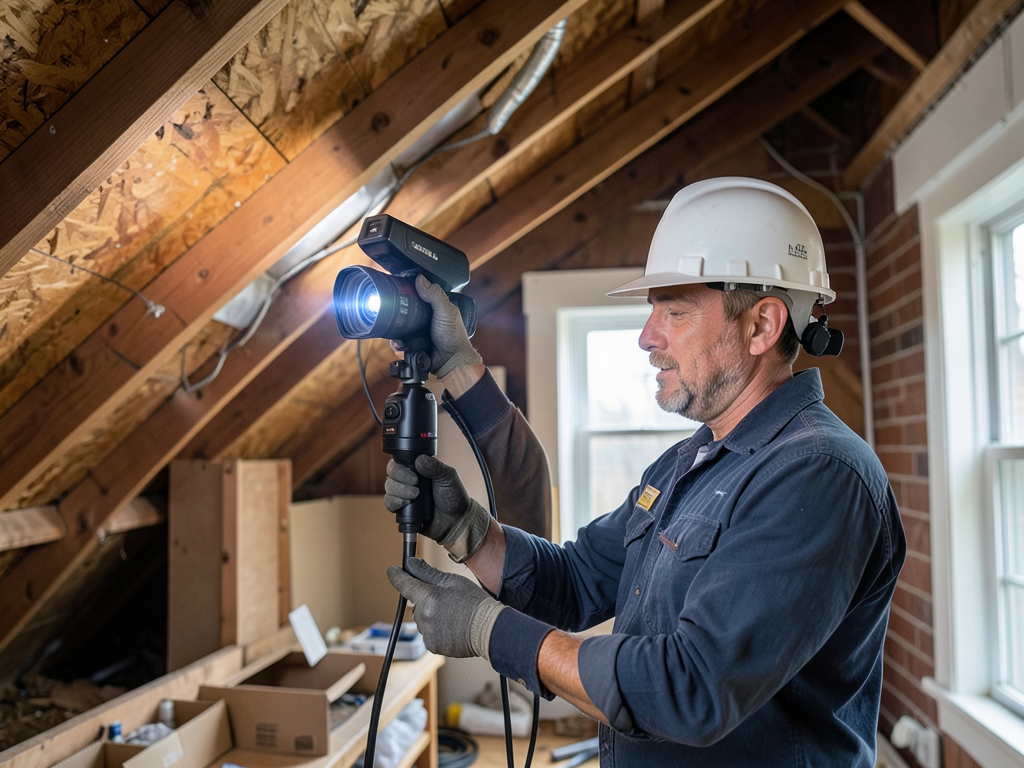
First, we conduct a thermal scan. An infrared camera detects temperature variations across the roof surface. Cold spots indicate wet insulation or compromised decking. Hot spots show ventilation failures. This step identifies problems that will not appear during a visual inspection.

Second, we perform moisture mapping. A capacitance meter measures moisture content in the decking without drilling holes. We take readings at 10-foot intervals across the entire roof plane. Any reading above 18 percent moisture content signals active rot or mold growth inside the roof assembly.

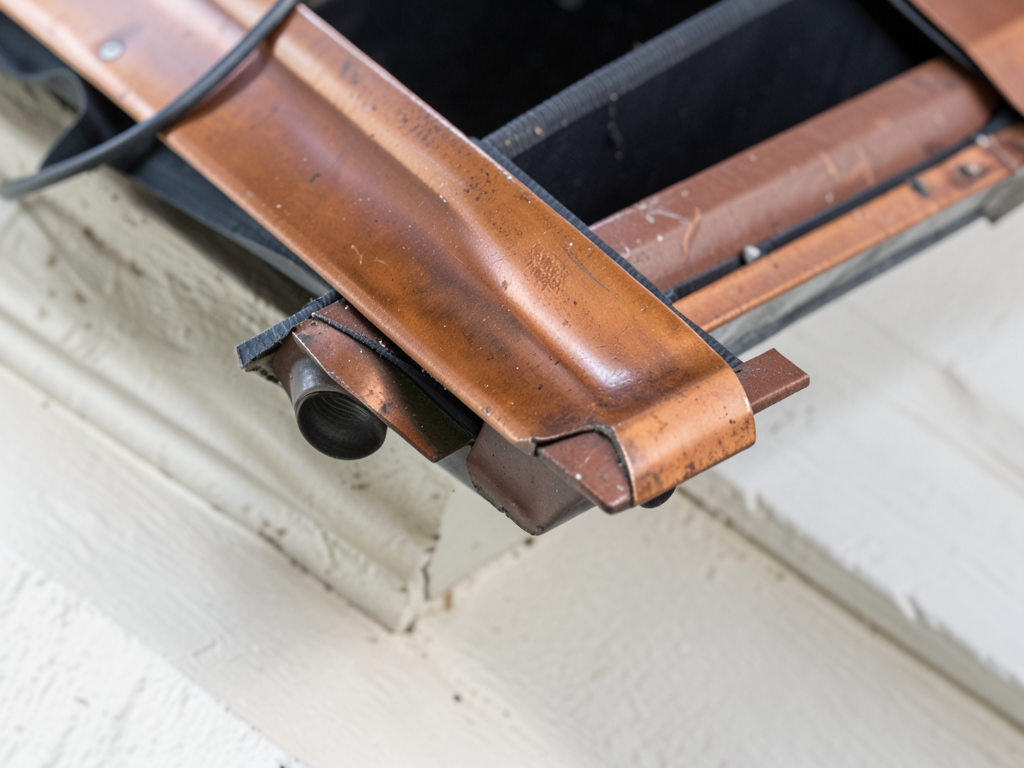
Third, we inspect all penetrations and transitions. This includes plumbing vents, chimneys, skylights, and the valleys where two roof planes meet. These areas fail first in Detroit because ice dams concentrate here during winter. We check the condition of step flashing, counter flashing, and valley metal. We also inspect attic ventilation to determine if condensation contributes to decking damage.

Fourth, we calculate remaining service life. Asphalt shingles in Detroit last 18 to 22 years on average. We measure granule loss, check for curling or cupping, and examine the seal strips that hold shingles down during windstorms. We then cross-reference surface condition with underlayment condition to determine whether a repair extends the roof life by 5 years or just 18 months.

The final roof restoration vs replacement analysis includes photo documentation, moisture readings, and a cost breakdown showing repair costs versus replacement costs over a 10-year timeline.

What Happens During Your Roof Assessment Appointment

Repair vs. Replace Analysis in Detroit – Get the Data-Driven Answer in 24 Hours
01

Initial Roof Inspection

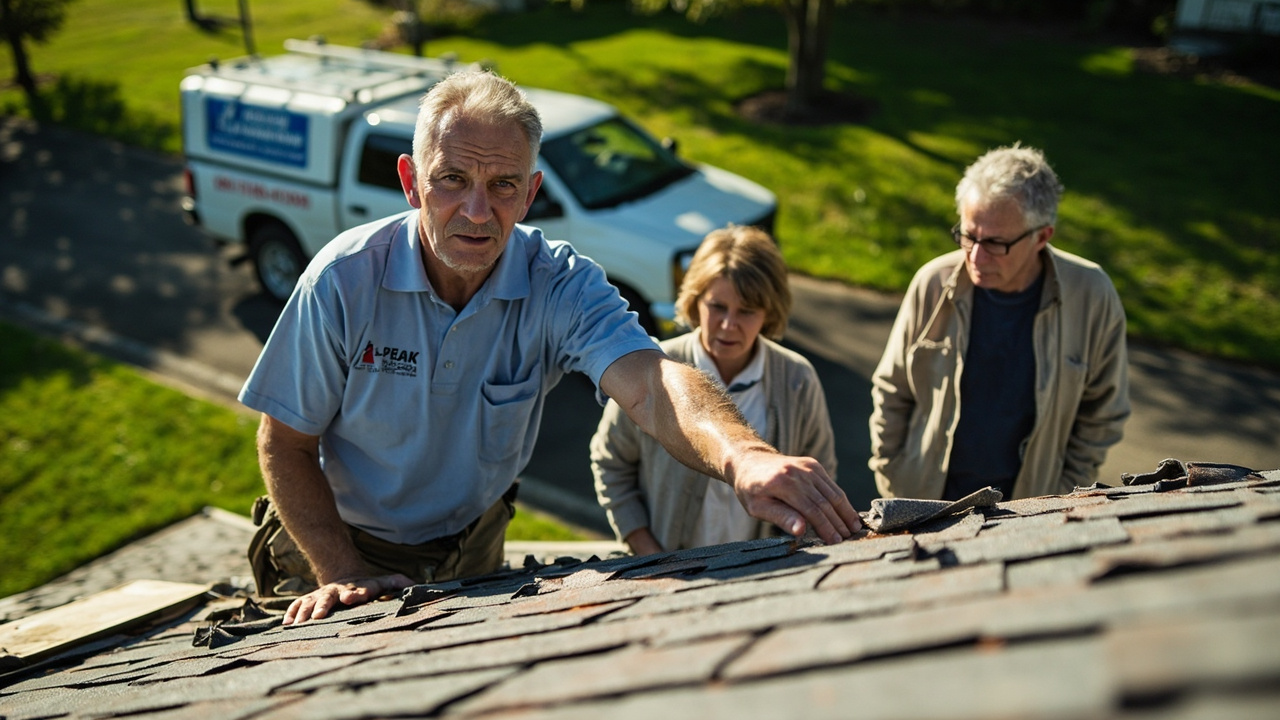
We arrive with thermal imaging equipment, moisture meters, and a drone for aerial photography. The inspection takes 60 to 90 minutes. We photograph every section of the roof, document all penetrations, and record moisture readings in the attic and decking. You receive access to all photos and raw data the same day so you can see exactly what we found.
02

Damage Quantification and Analysis

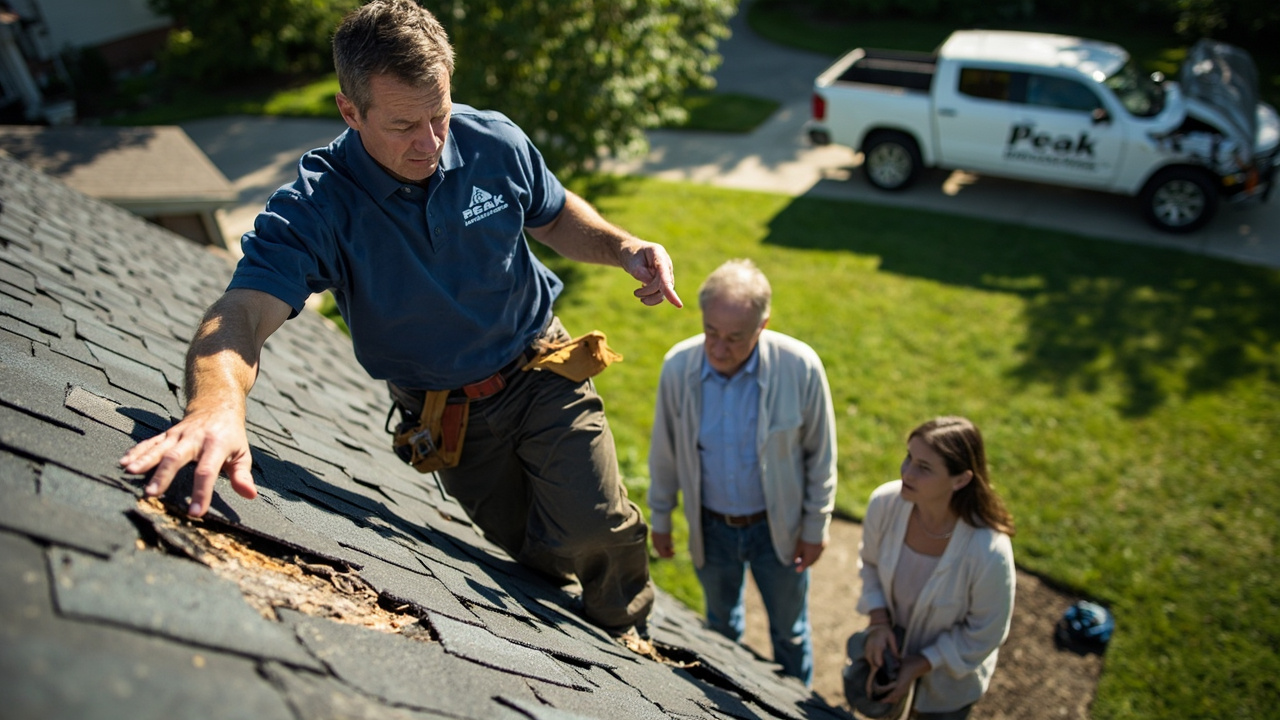
We map the extent of the damage using the data collected during inspection. This includes calculating the percentage of decking that requires replacement, identifying which sections of flashing have failed, and determining if the underlayment has deteriorated. We then generate a repair scope and a replacement scope. Both options include material specifications, labor hours, and projected completion timelines specific to your roof geometry.
03

Cost Comparison and Recommendation

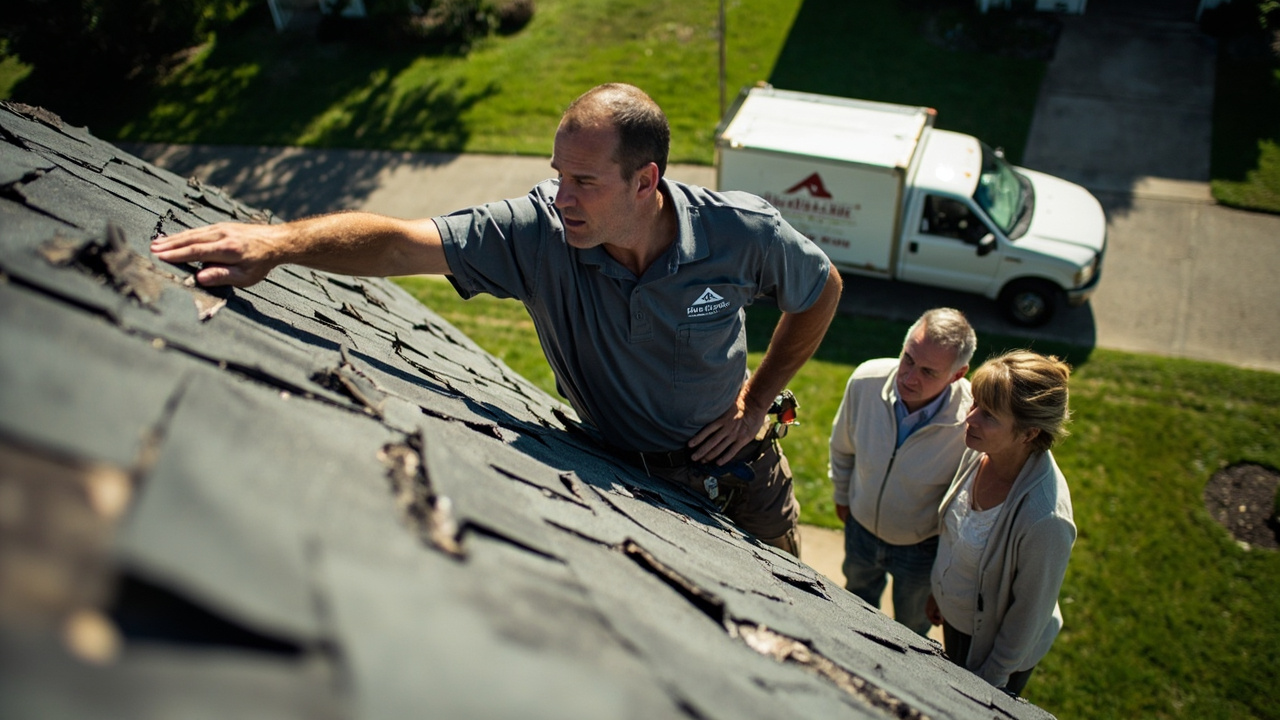
You receive a written roof repair or replace decision guide that shows total cost for each option, expected lifespan after the work, and annual cost per year of extended service life. We explain which option makes financial sense based on how long you plan to own the property. If repair is viable, we detail which repairs are critical and which can wait. If replacement is necessary, we explain why partial repairs will fail.

Why Detroit Property Owners Trust Peak Roofing for Honest Assessments

Most roofing companies make more money on replacements than repairs. This creates a financial incentive to recommend replacement even when repair is viable. Peak Roofing Detroit charges the same diagnostic fee whether you choose repair or replacement. We get paid for the assessment, not the sale. This removes the conflict of interest.

We also understand Detroit building codes and the specific challenges of older homes in neighborhoods like Indian Village and Boston-Edison. Many homes in these areas have slate roofs, clay tile roofs, or original cedar shake roofs from the 1920s. These materials require specialized assessment techniques. A roof that appears failed may only need targeted repairs to restore function for another decade.

Our technicians are trained in both modern composition roofing and historic roofing systems. We know how to evaluate the condition of skip sheathing under slate tiles. We know how to identify which clay tiles can be salvaged and which sections require replacement. We also know how to work with the Detroit Historic District Commission when repairs involve homes in protected districts.

We have assessed roofs on over 1,200 properties in Wayne County over the last eight years. This experience base allows us to accurately predict how long a repair will last based on the specific roof design, materials, and exposure conditions.

The assessment process also includes attic ventilation analysis. Poor ventilation accelerates roof aging by trapping heat and moisture. We measure intake and exhaust ventilation capacity and recommend improvements that extend roof life regardless of whether you repair or replace. Many roofs fail prematurely because of ventilation problems, not material failure. Fixing ventilation during a repair can add 5 to 7 years of service life at minimal cost.

What You Get With a Professional Roof Analysis

Inspection Turnaround Time

We schedule assessments within 48 hours of your call. The on-site inspection takes 60 to 90 minutes. You receive the preliminary report with photos and moisture data within 24 hours. The full written analysis with cost breakdowns and recommendations is delivered within 3 business days. If you need faster turnaround for an insurance claim or real estate transaction, we can deliver the complete report within 24 hours for an expedite fee.

Diagnostic Methods and Equipment

We use FLIR thermal imaging cameras that detect temperature differences as small as 0.1 degrees. This reveals moisture intrusion, ventilation problems, and insulation voids. We also use Tramex moisture meters that measure moisture content without damaging the roof. Drone photography captures high-resolution images of areas that are difficult to access safely. All diagnostic data is included in your report with explanations of what each reading means for your roof condition.

Report Deliverables and Clarity

Your report includes annotated photos showing problem areas, moisture content readings mapped to a roof diagram, and a side-by-side cost comparison of repair versus replacement. We explain which components are failing, why they are failing, and how long each option extends the functional life of the roof. The report also includes material specifications for both repair and replacement so you can compare our recommendations with other contractors. You own the report and can use it for insurance claims or future planning.

Follow-Up Support and Timeline Planning

After you receive the report, we schedule a phone or in-person consultation to review the findings and answer questions. If you choose repair, we provide a maintenance schedule that outlines inspections and minor fixes to maximize the extended lifespan. If you choose replacement, we help you plan timing around weather windows and material lead times. We also store your inspection data and offer free follow-up inspections at 12-month intervals so you can track roof condition over time.

Frequently Asked Questions

You Have Questions,
We Have Answers

What is the difference between replace and repair? +

Repair addresses a specific problem by fixing damaged components while maintaining the existing system. Replace means removing the entire unit and installing a new one. For Detroit roofs, repair works when damage is isolated, like replacing a few missing shingles after a storm. Replace becomes necessary when multiple systems fail, extensive water damage exists, or your roof nears the end of its lifespan. Detroit's freeze-thaw cycles accelerate wear, so age matters. A repair costs less upfront but may lead to repeated fixes. Replacement requires higher investment but provides decades of protection and better energy efficiency during harsh Michigan winters.

How do you determine if you should repair or replace a machine? +

Evaluate age, repair frequency, and total cost. If your unit is over 75% through its expected lifespan, replace it. Add up recent repair costs. If repairs exceed 50% of replacement cost, replace instead. Detroit homeowners face brutal winters, so reliability matters. Consider energy efficiency gains, modern systems cut heating bills by 20-30%. Check warranty status. Frequent breakdowns signal systemic failure. Factor in safety issues like carbon monoxide risks or fire hazards. A professional inspection reveals hidden damage. Compare repair costs against long-term replacement savings, especially with Detroit's temperature extremes stressing older equipment.

What is the $5000 rule for AC? +

The $5000 rule helps decide AC repair versus replacement. Multiply your unit's age by repair cost. If the result exceeds $5000, replace it. For example, a 12-year-old AC needing $500 in repairs equals $6000, suggesting replacement makes financial sense. Detroit summers stress aging systems, making this calculation critical. This rule accounts for diminishing returns on older equipment. Modern units offer better efficiency, reducing summer cooling costs by up to 40%. Consider refrigerant type too. Older R-22 systems cost more to service. The rule provides a quick benchmark, though local Detroit climate factors may adjust your decision.

What are the 4 types of repair in communication? +

The four types of communication repair are self-repair, other-repair, embedded repair, and exposed repair. Self-repair happens when a speaker catches and corrects their own mistake mid-sentence. Other-repair occurs when a listener identifies and fixes a misunderstanding. Embedded repair smoothly integrates corrections without disrupting conversation flow. Exposed repair explicitly highlights the error before correcting it. These communication concepts differ from physical repair work. For Detroit property owners making repair decisions, clear communication with contractors prevents misunderstandings about scope, cost, and timeline. Ask direct questions, confirm details in writing, and ensure both parties understand expectations before starting any roofing or HVAC project.

Why is it better to repair than replace? +

Repair conserves resources and costs less when damage is minor. You avoid disposal waste and preserve embodied energy from original manufacturing. Repair maintains familiarity with existing systems and causes less disruption. For Detroit homes, repairing localized roof damage makes sense when the remaining structure remains sound. However, this logic fails with extensive damage or aging systems. Detroit's weather extremes stress materials faster than moderate climates. Repeated repairs drain money without improving efficiency. Modern replacements offer better insulation, weatherproofing, and warranty protection. Repair works short-term, but replacement provides long-term value when your roof or HVAC system shows widespread deterioration or safety concerns.

What is the $3000 rule for cars? +

The $3000 rule suggests avoiding repairs exceeding $3000 on older vehicles, recommending replacement instead. This guideline helps prevent throwing money at a failing asset. Apply similar logic to Detroit roofing decisions. Calculate total repair costs over the next three years. If that figure approaches 50% of replacement cost, replacement makes financial sense. Detroit's freeze-thaw cycles and ice dam potential cause cumulative damage. Patching one section often leads to more failures elsewhere. Consider market value too. Expensive repairs on a deteriorating roof mirror fixing an old car, both involve diminishing returns. Replacement offers peace of mind and long-term protection.

What are the 3 C's of auto repair? +

The three C's are concern, cause, and correction. First, identify the concern or symptom the customer reports. Second, diagnose the cause through testing and inspection. Third, implement the correction to fix the problem. Detroit roofing contractors should follow this same framework. Document your concern, like water stains or missing shingles. A professional inspection determines the cause, whether storm damage, aging materials, or installation defects. The correction might involve repair or replacement based on findings. This systematic approach prevents guesswork and ensures you address root problems, not just symptoms. Clear communication through each step builds trust and leads to lasting solutions.

What are the 4 types of maintenance strategies? +

The four maintenance strategies are reactive, preventive, predictive, and reliability-centered. Reactive maintenance fixes problems after failure occurs. Preventive maintenance performs scheduled inspections and replacements before failure. Predictive maintenance uses monitoring to detect problems early. Reliability-centered maintenance balances cost against failure consequences. For Detroit roofs, preventive maintenance works best. Spring and fall inspections catch damage from winter ice and summer storms before leaks develop. Detroit homeowners who skip maintenance face expensive emergency repairs. Schedule biannual professional inspections. Address minor issues immediately. This proactive approach extends roof life and prevents interior water damage that costs thousands to remediate.

What factors should be considered when confirming the proper functioning of a repaired or replaced part of a microwave oven? +

Verify proper door seal and latch function to prevent microwave leakage. Test heating performance with water temperature checks. Inspect internal components for secure mounting and correct wiring connections. Check turntable rotation and timer accuracy. Examine the door interlock system to ensure automatic shutoff when opened. Listen for unusual noises indicating loose parts or failing components. Confirm all control buttons and settings work correctly. These factors matter because microwave safety depends on radiation containment. While this question addresses appliances, similar verification applies to Detroit roofing repairs. Contractors should test flashing seals, check fastener security, verify ventilation function, and inspect completed work for gaps before considering the job finished.

What is the 3 minute rule for AC? +

The three-minute rule requires waiting three minutes before restarting an AC unit after shutdown. This delay allows refrigerant pressure to equalize between the high and low sides of the system. Restarting too quickly forces the compressor to work against high pressure, risking motor damage or failure. This rule protects your investment and extends equipment life. Detroit homeowners should follow this guideline during temperature adjustments or after power outages. Modern thermostats often include built-in delays. If your AC short-cycles or trips breakers, pressure imbalance might be the cause. Respect this cooling period to avoid compressor burnout, which requires expensive replacement in Detroit's demanding climate.

Why Detroit's Historic Housing Stock Requires Specialized Roof Analysis

Detroit has one of the largest collections of pre-1940 homes in the Midwest. Many of these homes have layered roofing systems where asphalt shingles were installed over original slate or cedar shake. This creates unique assessment challenges. The top layer may appear serviceable while the underlayer and decking are completely rotted. Thermal imaging reveals these hidden layers by detecting moisture trapped between materials. A proper reroof vs repair assessment on historic Detroit homes requires removing sample sections to inspect all layers, not just evaluating the visible surface.

Peak Roofing Detroit works regularly with properties in the East English Village, Palmer Woods, and Sherwood Forest historic districts. We understand the Detroit Historic District Commission approval process for roof work. Our reports meet the documentation standards required for HDC permits. We also maintain relationships with suppliers who stock period-appropriate materials like natural slate and clay tile. This local expertise ensures your roof restoration vs replacement analysis considers both structural needs and historic preservation requirements.
Roofing Services in The Detroit Area

Our local headquarters are strategically located to efficiently serve all of Detroit and the surrounding areas. We invite you to view our service region and location on the map. As a trusted local contractor, we are never far from your neighborhood and are committed to providing quick, reliable, and convenient service wherever you are within the metropolitan area.

Address:
Peak Roofing Detroit, 19549 Gilmore St, Reseda, CA, 91335

Additional Services We Offer

Our news updates

Latest Articles & News from The Blogs

Why Clay Tile Roofs in Grosse Pointe Park Need Specialized Maintenance\n\nClay tile roofs define the historic character of Grosse Pointe…

Why Clay Tile Roofs in Grosse Pointe Park Need Specialized Maintenance

Why Clay Tile Roofs in Grosse Pointe Park Need Specialized Maintenance\n\nClay tile roofs define the historic character of Grosse Pointe…

Is a Standing Seam Metal Roof the Right Choice for Your Grosse Pointe Farms Estate

Is a Standing Seam Metal Roof the Right Choice for Your Grosse Pointe Farms Estate Standing seam metal roofing offers…

Why Hazel Park Homeowners are Choosing Performance Shingles for Their First Houses

Why Hazel Park Homeowners are Choosing Performance Shingles for Their First Houses When Hazel Park first-time homeowners look up at…

Contact Us

Call (313) 604-2233 now to schedule your comprehensive roof inspection. We arrive with thermal imaging and moisture detection equipment. You receive a data-driven report that removes the guesswork from your repair or replace decision. No pressure, just facts.