menu

Condensation & Moisture Issues in Detroit – Expert Diagnosis and Permanent Fixes

Peak Roofing Detroit identifies the root cause of roof sweating, attic moisture buildup, and trapped moisture in roof spaces to stop mold growth, wood rot, and insulation damage before they compromise your home.

Slider Image 1
Slider Image 2
Slider Image 3
Slider Image 4
Slider Image 5
Slider Image 7
Slider Image 8
Slider Image 9
Slider Image 10
Slider Image 11

Why Detroit Roofs Trap Moisture Year-Round

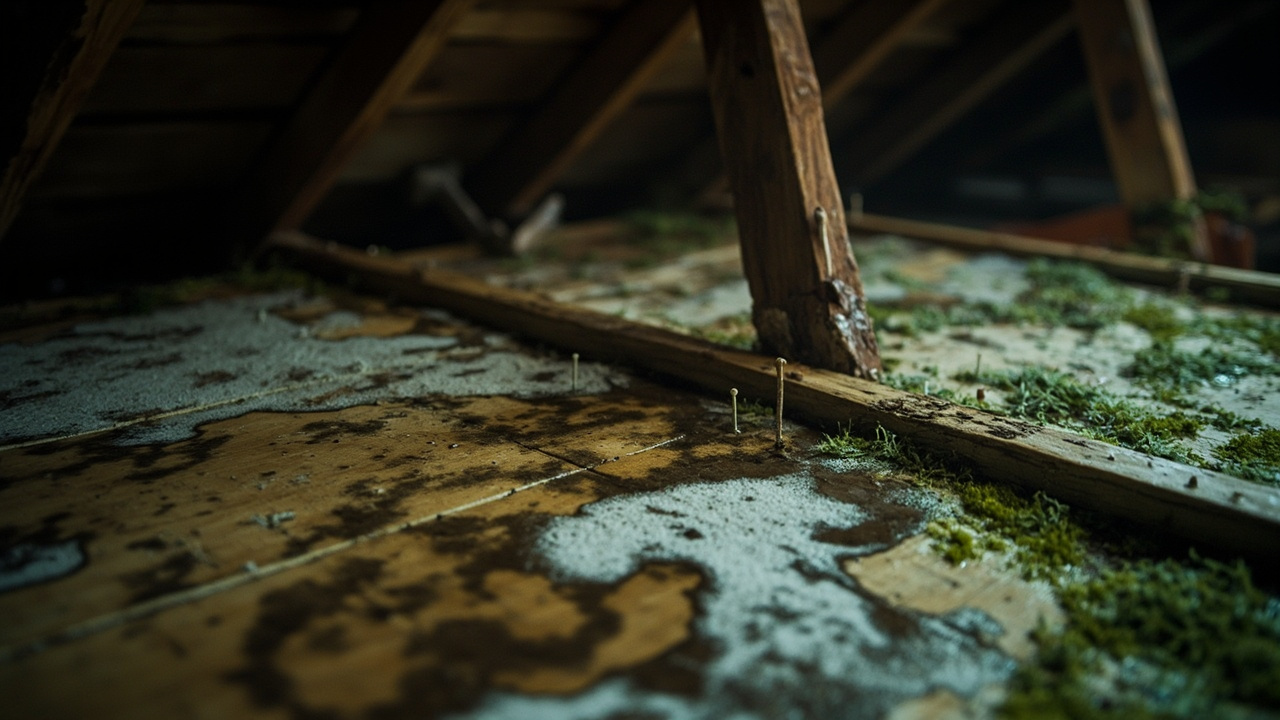
Detroit's extreme temperature swings create the perfect storm for roof space condensation. When winter air drops below freezing and your heated home meets an uninsulated or poorly vented attic, warm moist air hits cold roof decking and turns to water. That is roof sweating. You will see it as frost on nail tips in January or water stains on your ceiling by March.

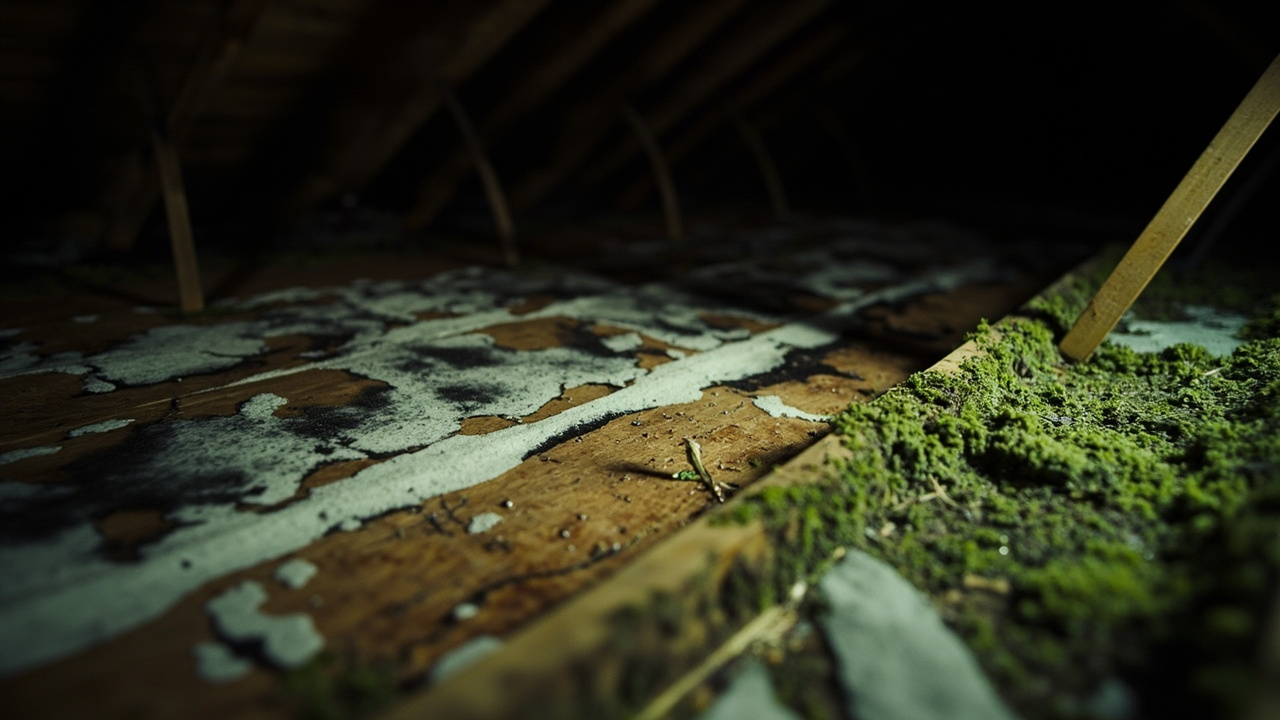
Summer brings its own problems. High humidity levels combined with air conditioning create temperature differentials that cause attic moisture buildup. The trapped moisture in roof assemblies does not evaporate fast enough in our dense, humid summers. Instead, it soaks into your wood decking, rots your rafters, and turns your insulation into a wet sponge.

The freeze-thaw cycles Detroit experiences from November through April make this worse. Water expands when it freezes, cracking wood fibers and pushing apart sheathing seams. By the time you notice roof dampness or see water stains on your drywall, the damage has been happening for months.

Detroit homes built before 1980 often lack proper attic ventilation. Older construction standards did not account for modern HVAC systems or the amount of moisture generated by daily living. When you shower, cook, or run a dishwasher, that moisture rises. Without adequate ventilation, it has nowhere to go except into your attic space where it condenses on cold surfaces.

Most homeowners mistake condensation damage for a roof leak. You call a roofer expecting to replace shingles, but the real problem is vapor drive and thermal bridging. That is why proper diagnosis matters.

Why Detroit Roofs Trap Moisture Year-Round
How We Stop Condensation at the Source

How We Stop Condensation at the Source

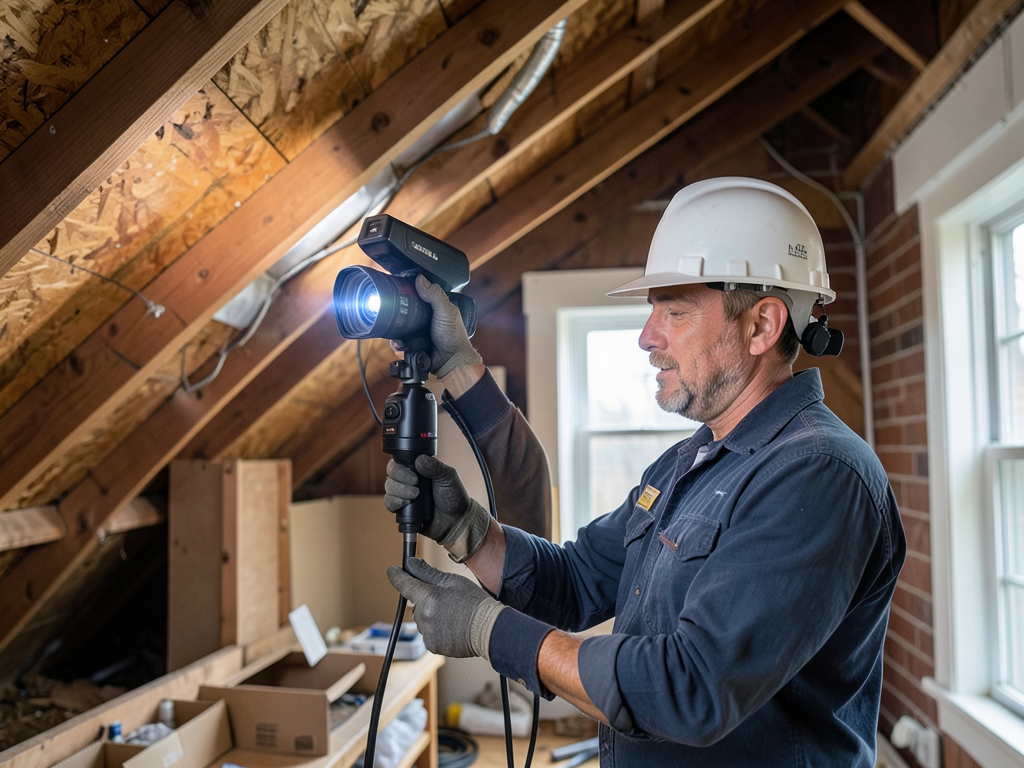
Peak Roofing Detroit does not guess. We use thermal imaging cameras to map temperature differentials across your roof deck and attic space. Cold spots show us where insulation has failed. Hot spots reveal air leaks. Moisture meters quantify the water content in your wood decking and rafters so we know how severe the damage is before we start work.

We measure your attic ventilation ratio. Building code requires one square foot of net free ventilation area for every 150 square feet of attic space. Most Detroit homes fall short. We calculate your existing soffit intake and ridge exhaust, then design a balanced ventilation system that creates continuous airflow from eave to peak.

Ventilation alone will not fix condensation if your attic floor is not properly air sealed. We inspect around plumbing stacks, recessed lights, attic hatches, and partition walls where warm air leaks into the attic. These bypasses account for 70 percent of moisture problems. We seal them with fire-rated caulk and expanding foam before adding ventilation.

If your roof decking shows active rot, we remove and replace damaged sections with CDX plywood or OSB sheathing that meets current Detroit building code. We do not patch over problems. Rotted wood loses its nail-holding capacity and compromises your entire roof structure.

For homes with chronic moisture issues, we install a vapor retarder on the warm side of your insulation to control vapor drive. This prevents interior humidity from migrating into the attic space where it can condense. We combine this with proper ventilation to create a system that works in both heating and cooling seasons.

Our Three-Phase Moisture Elimination System

Condensation & Moisture Issues in Detroit – Expert Diagnosis and Permanent Fixes
01

Diagnostic Inspection

We enter your attic with thermal imaging equipment and moisture meters to map problem areas. You get a written report with photos showing exactly where moisture is entering, where it is condensing, and how much damage exists. We measure ventilation ratios, identify air leaks, and test insulation R-values. This diagnostic phase takes 60 to 90 minutes and gives us the data needed to design a permanent solution specific to your home's construction.
02

Structural Repair

We remove any water-damaged decking, rafters, or sheathing. Rotted wood gets replaced with properly rated materials that match your existing roof structure. We seal all attic bypasses around chimneys, plumbing penetrations, and recessed lighting. If your insulation is wet or compressed, we remove it and install new material at the correct R-value for Detroit's climate zone. This phase addresses all existing damage before we improve ventilation.
03

Ventilation Upgrade

We install a balanced ventilation system with continuous soffit intake vents and ridge or gable exhaust vents. Airflow moves from low to high, pulling moisture out of your attic before it can condense. We calculate vent sizing based on your attic square footage to meet or exceed code requirements. The result is a roof assembly that breathes properly in all seasons, eliminating the conditions that cause condensation and extending the life of your roof system.

Why Detroit Homeowners Choose Peak Roofing for Moisture Problems

Most roofers treat condensation like a leak. They walk your roof looking for missing shingles, then tell you nothing is wrong. You are left confused because you can see water damage on your ceiling. Peak Roofing Detroit understands building science. We know that moisture problems start inside your home and manifest in your attic. That is why we inspect both sides of your roof assembly.

Detroit's housing stock presents unique challenges. Homes in neighborhoods like Indian Village and Palmer Woods feature complex rooflines with multiple valleys, dormers, and architectural details that create dead air pockets. These areas trap moisture if not properly vented. We have worked on enough historic Detroit homes to know how to retrofit modern ventilation systems without compromising period architecture.

We also understand Detroit's code requirements. The city updated its residential building code in recent years to address energy efficiency and moisture control. If you are selling your home, a buyer's inspector will flag inadequate attic ventilation or visible moisture damage. We bring your roof assembly up to current code so you pass inspection without surprises.

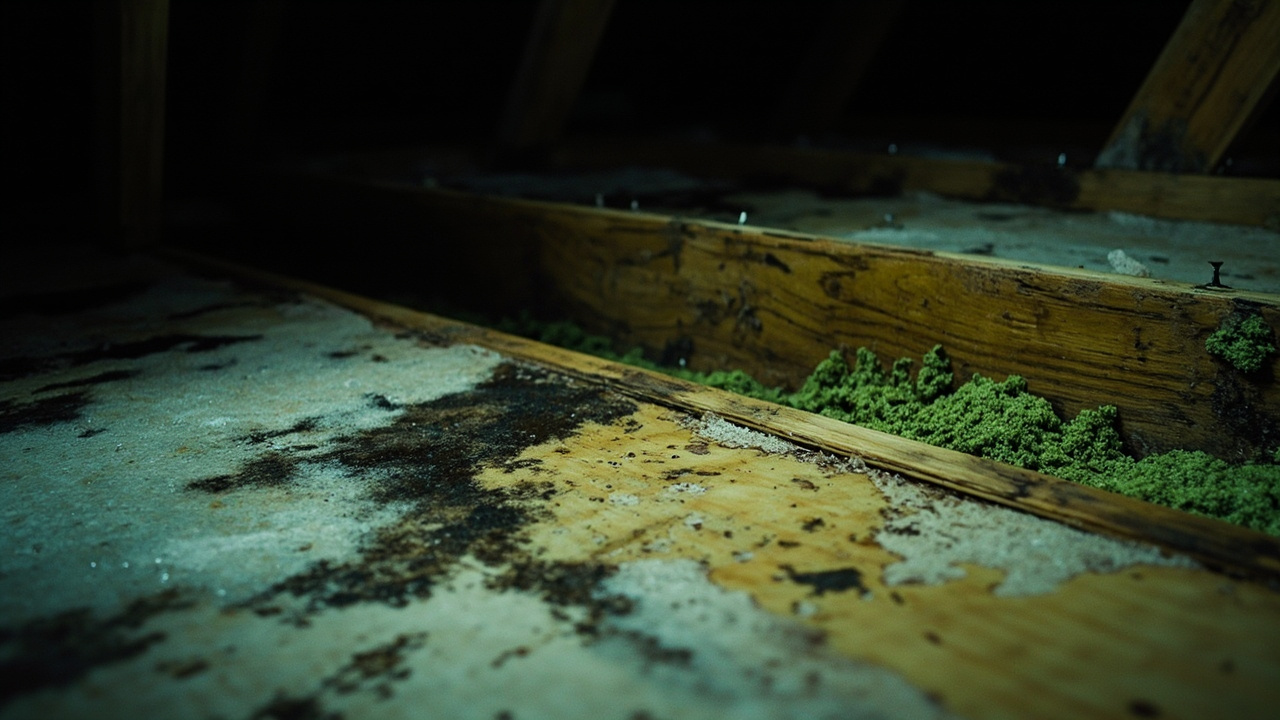
Our crews are trained to identify the difference between active leaks and condensation damage. Water from a roof leak follows gravity. It enters at a high point and travels down. Condensation appears randomly across your attic, often concentrated around metal fasteners and near exterior walls where temperature differentials are greatest. We look at stain patterns, wood discoloration, and mold growth to determine the actual source before recommending a solution.

You will not get a generic estimate from us. We explain what is causing your specific moisture problem, show you the evidence, and outline a repair plan that addresses root causes. No upselling. No scare tactics. Just accurate diagnosis and proper repair.

What to Expect When You Call Peak Roofing Detroit

Fast Scheduling

We know moisture damage gets worse with time. Mold begins growing within 48 hours of water exposure. Wood rot weakens your structure. We schedule diagnostic inspections within three business days of your call. During peak spring months when condensation issues surface after winter, we add weekend appointment slots. You get a two-hour arrival window and a confirmation call the day before. Our inspections take 60 to 90 minutes. You receive a written report with photos and a detailed estimate within 24 hours. If your moisture problem is causing active interior damage, we can start repairs within a week of approval.

Thorough Assessment Process

Our technician enters your attic and roof space with a thermal imaging camera, moisture meter, and measuring tools. We document temperature variations, measure wood moisture content, photograph damage, and calculate your existing ventilation ratio. You walk through the attic with us if you choose, or we show you photos after. We explain what we find in plain language. You see thermal images showing cold spots where insulation has failed and moisture readings proving your decking is wet. We identify every air leak and ventilation deficiency. This is not a free roof inspection designed to sell you a replacement. This is building science applied to your specific moisture problem.

Code-Compliant Repairs

We replace damaged materials with products that meet current Detroit building code. Roof decking gets replaced with properly rated CDX plywood or OSB. We install ice and water shield in valleys and at eaves per code requirements. Ventilation systems are sized to provide at least one square foot of net free area per 150 square feet of attic space. We seal attic bypasses with fire-rated materials. Insulation is installed at the correct R-value for climate zone five. When we finish, your roof assembly performs as it should. You stop seeing condensation, wood dries out, and your home becomes more energy efficient. The repair is permanent because we fixed the actual problem.

Post-Repair Monitoring

Moisture problems do not disappear overnight. It takes weeks for saturated wood to dry completely. We give you guidelines on what to expect during the drying phase and what to watch for. We recommend a follow-up attic inspection after your first heating season to verify the ventilation system is working correctly. If you notice any recurring issues, we return to reassess at no charge within the first year. Most moisture problems, when properly corrected, do not return. But Detroit's weather is unpredictable. We stand behind our work and make sure your repair performs as promised through all four seasons.

Frequently Asked Questions

You Have Questions,
We Have Answers

How do you fix excessive condensation? +

Fix excessive condensation by improving ventilation first. Run exhaust fans during showers and cooking. Open windows briefly each day to exchange stale air. Check that your attic has proper ventilation and insulation, especially important in Detroit's freeze-thaw cycles. Reduce indoor humidity by venting dryers outside and fixing leaks. Install a whole-house dehumidifier if needed. Ensure your HVAC system maintains consistent temperature. Seal air leaks around windows and doors. If condensation persists on windows or walls, you may need better insulation or a professional moisture assessment to identify hidden sources.

What are signs of excessive condensation? +

Watch for water droplets forming on windows, especially during cold Detroit winters. You will see wet windowsills or frames. Look for damp spots on walls or ceilings. Musty odors signal moisture buildup. Peeling paint or wallpaper indicates trapped moisture. Black mold or mildew growth in corners, bathrooms, or closets means excess humidity. Foggy windows that stay wet signal poor ventilation. Wood rot around window frames or doors shows prolonged moisture exposure. Condensation on pipes or in your basement means humidity levels are too high. These signs require immediate attention to prevent structural damage.

How do you fix moisture problems in your house? +

Start by identifying the moisture source. Fix roof leaks, plumbing leaks, or foundation cracks immediately. Improve ventilation in kitchens, bathrooms, and basements. Install or upgrade exhaust fans. Clean gutters and extend downspouts away from your foundation, critical for Detroit clay soil that holds water. Seal crawl spaces with vapor barriers. Add insulation to prevent temperature differences that cause condensation. Run dehumidifiers in damp areas. Ensure your HVAC system drains properly. Check that your attic has adequate ventilation. For persistent problems, hire a professional to assess your home's moisture dynamics.

How do you know if your house has a moisture problem? +

Your home has a moisture problem if you smell musty odors or see visible mold. Check for water stains on ceilings or walls. Feel walls and floors for dampness. Windows that fog up frequently signal excess humidity. Look for condensation on pipes or in your basement. Warped wood floors or swollen door frames indicate moisture absorption. Your basement feels clammy or damp. Paint bubbles or peels without explanation. Allergy symptoms worsen indoors. Use a hygrometer to measure humidity. Levels above 60 percent confirm excess moisture. Detroit's humid summers amplify these issues.

Why is my house getting so much condensation? +

Your house gets condensation when warm, humid indoor air hits cold surfaces. Detroit winters create extreme temperature differences between heated interiors and cold windows or walls. Poor ventilation traps moisture from cooking, showers, and breathing. Inadequate insulation lets cold penetrate walls. Too many people or plants add humidity. Drying clothes indoors increases moisture. A dryer venting inside pumps humidity into your home. Leaky ducts or an oversized HVAC system that short-cycles fails to remove humidity. Basement moisture migrates upward. Older Detroit homes often lack proper vapor barriers, worsening the problem.

Can moisture in walls be fixed? +

Yes, moisture in walls can be fixed, but you must find the source first. Stop external water infiltration by repairing roof leaks, sealing foundation cracks, or fixing grading issues common in Detroit's clay soil. Remove damaged drywall or insulation. Dry the wall cavity completely using fans or dehumidifiers. Treat any mold. Install vapor barriers if missing. Add insulation to prevent condensation. Repair plumbing leaks inside walls. Once dry, replace materials. For brick homes common in Detroit, check that weep holes are clear and tuckpointing is intact. Persistent wall moisture requires professional diagnosis.

Does condensation mean my house is too cold? +

Not necessarily. Condensation happens when warm, humid air contacts cold surfaces. Your house temperature matters less than the temperature difference between indoor air and surfaces. You can have condensation in a warm house if humidity is high and windows are poorly insulated. Detroit's cold winters make exterior walls and single-pane windows cold, causing condensation regardless of indoor temperature. The real issue is humidity control and insulation quality. A cold house with low humidity may have zero condensation. Focus on reducing indoor moisture and improving insulation rather than just raising the thermostat.

Will a dehumidifier get rid of condensation? +

A dehumidifier reduces condensation by lowering indoor humidity levels. It helps with general moisture but does not fix the root cause. If condensation comes from poor ventilation, air leaks, or inadequate insulation, a dehumidifier is a Band-Aid. It works well for damp basements common in Detroit homes or during humid summers. Run it in problem areas and keep humidity between 30 and 50 percent. Empty the reservoir regularly or use a drain hose. Combine dehumidification with better ventilation and insulation for lasting results. It will not fix structural moisture problems or leaks.

What causes too much moisture in a house? +

Too much moisture comes from daily activities and structural problems. Cooking, showering, and breathing release water vapor. Drying clothes indoors adds humidity. Poor ventilation traps moisture. Leaky roofs or plumbing introduce water. Foundation cracks let groundwater seep in, especially in Detroit's clay soil. Crawl spaces without vapor barriers release moisture. Overwatering houseplants contributes. A malfunctioning HVAC system fails to dehumidify. Dryer vents disconnected or venting inside pump humidity indoors. Inadequate attic ventilation traps moisture. Older Detroit homes often have multiple sources combining to create excess humidity.

Does a bowl of table salt help condensation? +

A bowl of salt absorbs minimal moisture. It is ineffective for real condensation problems. Salt draws water from air through hygroscopy, but the amount is tiny compared to what a dehumidifier removes. You would need dozens of bowls changed constantly. This method wastes time when you need proper ventilation, insulation, or dehumidification. Do not rely on home remedies for Detroit's climate challenges. Address the actual cause. Improve airflow, fix leaks, and control humidity mechanically. Salt works as a science experiment, not a moisture solution. Invest in real fixes that protect your home.

How Detroit's Freeze-Thaw Cycles Accelerate Roof Moisture Damage

Detroit experiences an average of 40 freeze-thaw cycles each winter. Daytime temperatures climb above freezing, melting accumulated frost in your attic. At night, temperatures drop back below 32 degrees and that moisture refreezes. Each cycle expands and contracts your roof decking, opening seams and cracking wood fibers. This is why a minor condensation problem in November becomes visible ceiling damage by March. The trapped moisture in roof assemblies does not just sit there. It freezes, expands, and damages your structure. Homes near the Detroit River or in low-lying areas like Downriver experience even higher humidity levels, making proper attic ventilation critical to preventing roof dampness and decay.

Detroit building codes have evolved to address our harsh climate, but many homes predate modern ventilation standards. If your home was built before 1980, it likely lacks adequate soffit and ridge venting. Peak Roofing Detroit specializes in retrofitting older homes with ventilation systems that work with existing architecture. We have worked on brick Tudors in Sherwood Forest, bungalows in Rosedale Park, and historic homes throughout Detroit's neighborhoods. We understand how to bring these structures up to code without compromising their character. Local expertise matters when dealing with roof space condensation because generic solutions do not account for Detroit's unique weather patterns and housing stock.
Roofing Services in The Detroit Area

Our local headquarters are strategically located to efficiently serve all of Detroit and the surrounding areas. We invite you to view our service region and location on the map. As a trusted local contractor, we are never far from your neighborhood and are committed to providing quick, reliable, and convenient service wherever you are within the metropolitan area.

Address:
Peak Roofing Detroit, 19549 Gilmore St, Reseda, CA, 91335

Additional Services We Offer

Our news updates

Latest Articles & News from The Blogs

Why Clay Tile Roofs in Grosse Pointe Park Need Specialized Maintenance\n\nClay tile roofs define the historic character of Grosse Pointe…

Why Clay Tile Roofs in Grosse Pointe Park Need Specialized Maintenance

Why Clay Tile Roofs in Grosse Pointe Park Need Specialized Maintenance\n\nClay tile roofs define the historic character of Grosse Pointe…

Is a Standing Seam Metal Roof the Right Choice for Your Grosse Pointe Farms Estate

Is a Standing Seam Metal Roof the Right Choice for Your Grosse Pointe Farms Estate Standing seam metal roofing offers…

Why Hazel Park Homeowners are Choosing Performance Shingles for Their First Houses

Why Hazel Park Homeowners are Choosing Performance Shingles for Their First Houses When Hazel Park first-time homeowners look up at…

Contact Us

Condensation damage compounds daily. Call Peak Roofing Detroit at (313) 604-2233 for a diagnostic inspection. We identify the cause, show you the damage, and fix it right the first time.