menu

Blistering Shingles in Detroit – Expert Diagnosis and Permanent Repair Solutions

We identify the root cause of asphalt shingle blisters and bubbling roof shingles, then deliver targeted repairs that prevent recurrence and extend your roof's lifespan across Detroit's challenging climate.

Slider Image 1
Slider Image 2
Slider Image 3
Slider Image 4
Slider Image 5
Slider Image 7
Slider Image 8
Slider Image 9
Slider Image 10
Slider Image 11

Why Detroit Roofs Develop Shingle Blisters

You notice raised bubbles on your roof shingles. They look like small pockets of air trapped under the surface. These asphalt shingle blisters are not just cosmetic problems. They signal trapped moisture or air that weakens your roof's protective barrier.

Detroit's weather creates the perfect storm for roof blisters. Summer heat spikes above 90 degrees, causing attic temperatures to soar past 120. When moisture gets trapped during installation or from condensation, that heat turns water into steam. The steam pushes up, creating those telltale bubbles on your shingles. Winter freeze-thaw cycles make it worse. Water expands when it freezes, forcing shingle layers apart.

Poor attic ventilation accelerates the problem. Many Detroit homes, especially in older neighborhoods like Rosedale Park and Indian Village, have insufficient ridge vents or soffit ventilation. Heat builds up with nowhere to go. The shingles cook from below while the sun bakes them from above.

Humidity is another factor. Detroit averages 72% relative humidity year-round. When shingles are installed on damp roof decking or during high-humidity mornings, moisture gets sealed in. That moisture has to go somewhere. It creates heat blisters on shingles that eventually rupture, exposing the asphalt mat underneath.

Bubbling roof shingles usually start small. You might see a few scattered across south-facing slopes where sun exposure is most intense. If you ignore them, they pop. Once the blister breaks, water penetrates the shingle's protective granule layer. The underlying felt and decking get wet. Rot follows. What started as a cosmetic issue becomes a structural problem requiring deck replacement.

Shingle bubbles are not the same as hail damage or normal wear. They require specific diagnostic skills to identify the cause and the correct repair approach.

Why Detroit Roofs Develop Shingle Blisters
How We Fix Blistered Shingles the Right Way

How We Fix Blistered Shingles the Right Way

We do not just replace the damaged shingles and walk away. That approach ignores why the blisters formed in the first place. We address the root cause so the problem does not return.

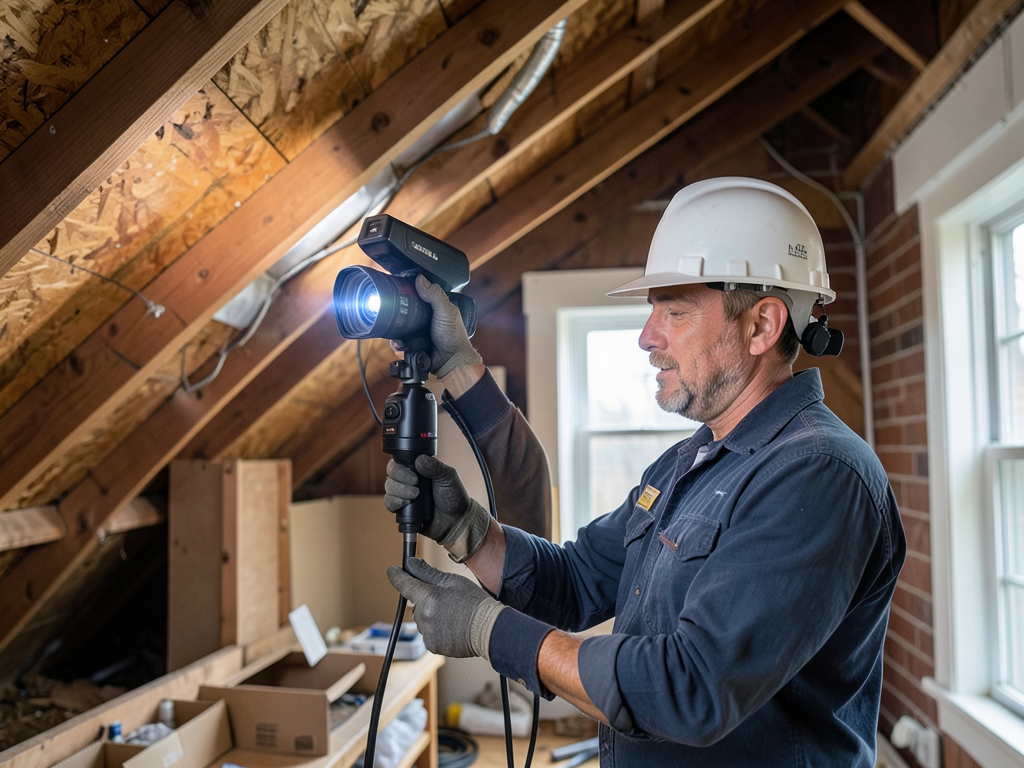
First, we inspect your attic space. We measure temperature differentials and check ventilation ratios. Building code requires 1 square foot of ventilation per 150 square feet of attic space, but many Detroit homes fall short. We look for blocked soffit vents, inadequate ridge ventilation, or missing gable vents. If your attic traps heat, we fix the ventilation system before touching the roof surface.

Next, we inspect the roof deck from below. We look for moisture stains, mold growth, or soft spots that indicate trapped condensation. If the decking is wet, we need to determine if it is a ventilation issue, a roof leak, or both. We use moisture meters to get precise readings. Guessing leads to recurring problems.

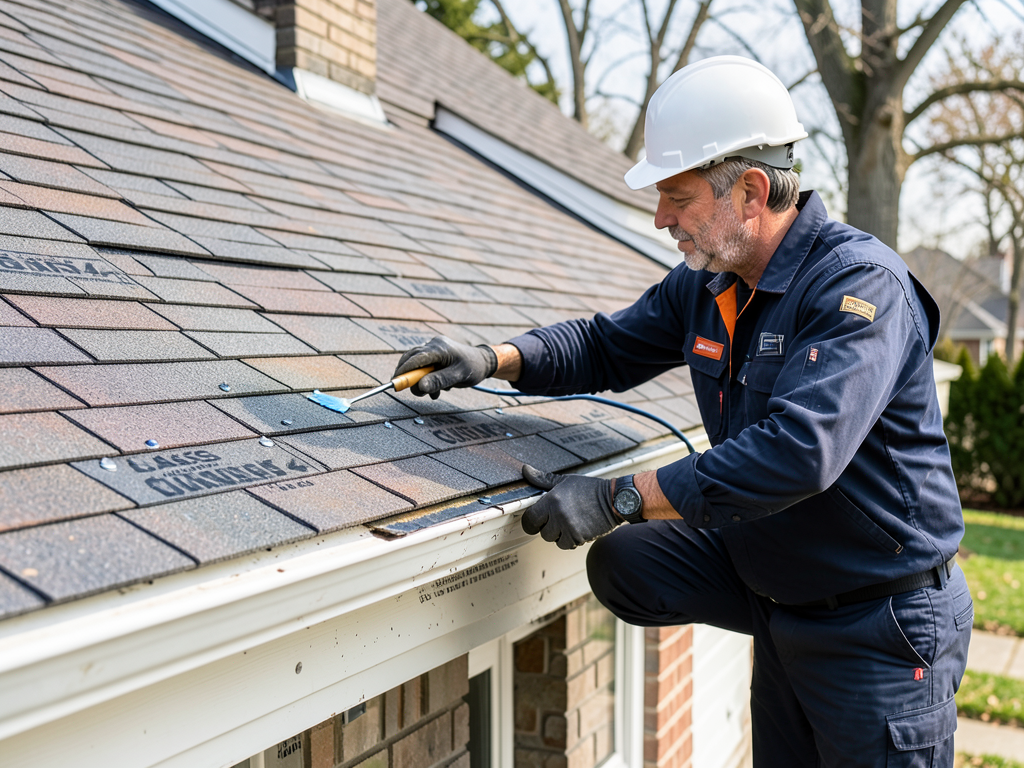
On the roof surface, we examine the blistered shingles closely. We check if the blisters are between the shingle mat and the top coating or between the shingle and the underlying felt paper. This tells us if the moisture came from below during installation or developed later from condensation. We also check the flashing around chimneys, vents, and valleys. Poor flashing allows water intrusion that can cause localized blistering.

For minor blistering that has not ruptured, we sometimes leave the shingles in place after correcting ventilation. Intact blisters still provide weather protection. For ruptured or severe blistering, we remove and replace affected shingles. We match your existing shingle line and seal each replacement with roofing cement rated for Detroit's temperature extremes.

We never install new shingles over wet decking. If moisture is present, we replace damaged deck sections and allow proper drying time. Rushing this step guarantees the blisters will return.

What Happens During Your Blister Repair

Blistering Shingles in Detroit – Expert Diagnosis and Permanent Repair Solutions
01

Roof and Attic Inspection

We climb onto your roof and photograph every blistered area. Then we go into your attic to check ventilation, insulation, and moisture levels. We measure attic temperature and look for condensation sources. This dual inspection reveals whether your blisters are installation-related, ventilation-related, or caused by a hidden leak. You get a written diagnosis that explains what we found and why it happened.
02

Ventilation and Deck Repair

If ventilation is inadequate, we install ridge vents, soffit vents, or gable vents to meet code requirements. If the roof deck is damaged, we cut out wet sections and replace them with new plywood sheathing. We never skip this step. Replacing shingles without fixing the deck or ventilation wastes your money. The blisters will come back within a year. We do it right the first time.
03

Shingle Replacement and Sealing

We remove blistered shingles carefully to avoid damaging surrounding areas. We install new shingles that match your existing roof color and style. Each shingle gets hand-nailed with the correct nail placement and sealed with high-grade roofing cement. We inspect the repair from the ground to confirm it blends seamlessly. You get photos of the completed work and recommendations for preventing future issues.

Why Detroit Homeowners Trust Us for Blister Repairs

Peak Roofing Detroit specializes in diagnosing problems that other roofers miss. We understand that roof blisters are symptoms, not standalone issues. Many contractors replace shingles without investigating why they blistered. That is why you see the same homeowners calling back a year later with the same problem.

We have worked on every roof style common to Detroit. The brick Tudors in Palmer Woods, the bungalows in Grandmont, and the colonials in Grosse Pointe all have different ventilation challenges. We know how attic layouts affect heat buildup. We know which neighborhoods have chronic humidity issues because of proximity to the Detroit River or poor drainage. That local knowledge matters when diagnosing moisture problems.

Our team includes certified roofing inspectors who have seen thousands of Detroit roofs. We know the difference between manufacturing defects, installation errors, and environmental damage. We know when a blister is covered under a shingle warranty and when it is not. We document everything so you have the evidence you need if you want to file a claim.

We also respect your home. We use tarps to protect landscaping. We use magnetic rollers to pick up stray nails. We do not leave a mess. You should not have to clean up after a roofing crew.

Detroit building codes require permits for roof replacements, but repair work under 100 square feet usually does not. We know the rules. We pull permits when needed and skip the paperwork when it is not required. That saves you time and money.

We do not upsell. If your roof only needs ventilation improvement and a dozen replacement shingles, we tell you that. If the entire roof is near the end of its lifespan and patching is a waste, we tell you that too. You get honest advice based on what we see, not what maximizes our invoice.

What You Can Expect From Start to Finish

Same-Week Inspections

We schedule inspections within three to five business days of your call. Most inspections take 45 minutes to an hour. We examine your roof, attic, and ventilation system, then provide a written assessment the same day or the next morning. If the damage is minor, we can often complete repairs during the same visit. For larger jobs requiring deck replacement or ventilation upgrades, we provide a detailed quote and timeline. Emergency repairs for ruptured blisters that are actively leaking get priority scheduling.

Thorough Moisture and Ventilation Testing

We use moisture meters to check your roof deck and attic insulation for hidden water damage. We measure your attic's temperature and compare it to outdoor readings. We calculate your existing ventilation ratio and determine if it meets code. We check for vapor barriers, insulation gaps, and other issues that contribute to condensation. You receive a written report that explains what we found, what caused the blistering, and what needs to be fixed. We take photos so you can see the problem areas yourself.

Color-Matched Shingle Replacements

We match your existing shingle color, style, and manufacturer whenever possible. If your shingles are discontinued, we source the closest available match and show you samples before installation. We blend new shingles into the existing roof pattern so repairs are nearly invisible from the ground. All replacement shingles are installed with the correct nail placement, sealant application, and flashing integration. We hand-seal each shingle edge to prevent wind uplift. The result is a watertight repair that looks like it was always there.

Follow-Up and Prevention Guidance

After repairs are complete, we provide maintenance recommendations tailored to your roof and attic conditions. If we installed new ventilation, we explain how to check that soffit vents stay clear of insulation. If your blisters were caused by poor attic airflow, we suggest seasonal checks to confirm your system is working properly. We offer annual roof inspections to catch small problems before they become expensive repairs. You can call us anytime with questions about your roof's condition or concerns about new issues.

Frequently Asked Questions

You Have Questions,
We Have Answers

What does shingle blistering look like? +

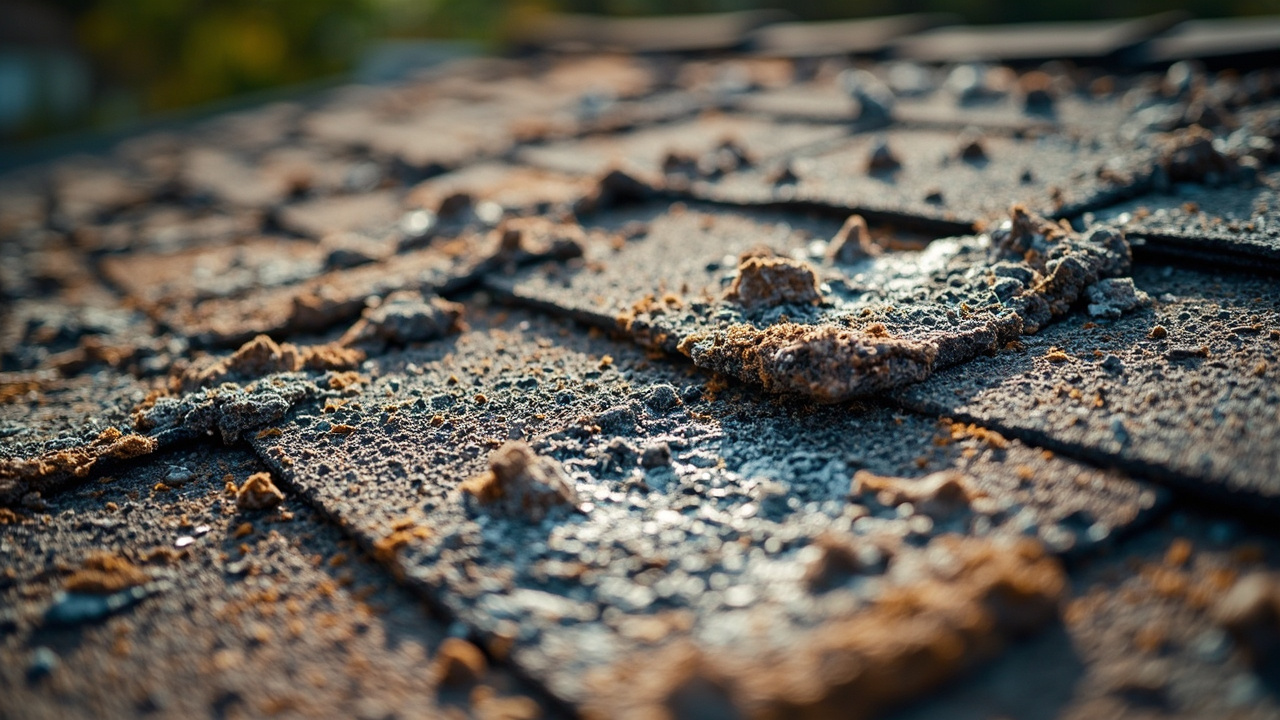
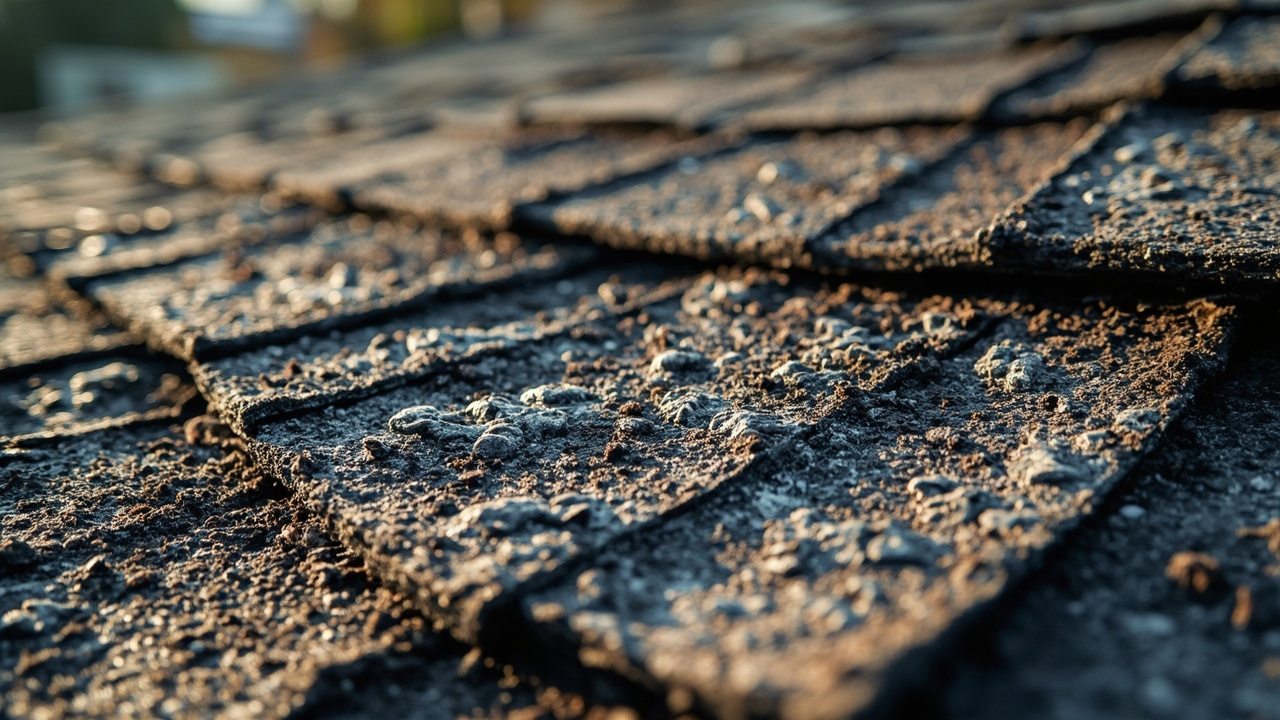
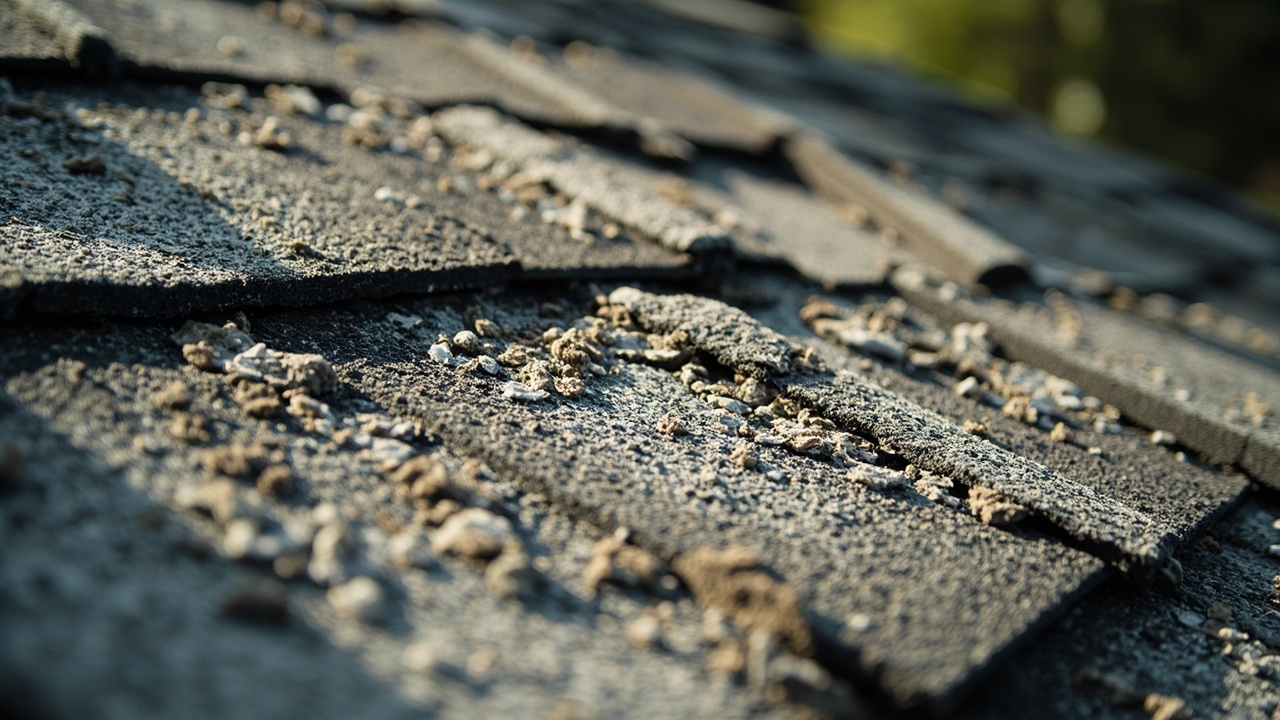
Shingle blistering appears as raised bubbles or bumps on the surface of asphalt shingles. These bubbles form when moisture or air becomes trapped between the shingle layers during manufacturing or installation. You will see rounded, dome-shaped protrusions that vary in size from small pea-sized bumps to larger quarter-sized blisters. In Detroit's freeze-thaw climate, blistering often worsens over time. The affected areas may feel soft when pressed. Once blisters rupture, they leave behind exposed spots where granules have worn away, creating dark patches that accelerate weathering and leave your roof vulnerable to leaks.

What does it mean when shingles blister? +

When shingles blister, moisture or air has become trapped beneath the surface layer during manufacturing or installation. This happens when volatile compounds fail to escape properly before the adhesive bonds cure. Detroit's humid summers and rapid temperature swings accelerate the problem. The trapped substance expands and contracts with temperature changes, creating pressure that pushes up the outer layer. Blistering weakens the shingle structure and removes protective granules when blisters pop. This exposes the asphalt mat underneath to UV damage and weather penetration. Blistered shingles lose their waterproofing ability and require prompt evaluation to prevent water intrusion into your decking.

What stage of shingles are blisters? +

Shingle blisters develop in two stages. Surface blisters form when moisture becomes trapped in the top coating layer during manufacturing. These appear early in the shingle's life, often within the first few years. Full-thickness blisters penetrate deeper, reaching through to the mat layer, and typically develop later as aging shingles absorb moisture. In Detroit's climate, freeze-thaw cycles accelerate the progression from surface to full-thickness blistering. Both stages compromise the shingle's protective granule layer. Full-thickness blisters create serious vulnerabilities because they expose the underlying mat to direct weather assault, significantly shortening the remaining lifespan of your roofing system.

How to treat shingle blisters? +

You cannot repair blistered shingles. Once blistering occurs, the damage is permanent. The only effective treatment is shingle replacement. Individual blistered shingles can be removed and replaced if the damage is isolated. However, widespread blistering across multiple areas signals a systemic problem requiring full roof replacement. Detroit's weather accelerates deterioration around blistered areas, so addressing the issue quickly prevents water damage to your decking and interior. A professional inspection determines whether spot repairs suffice or if the entire roof system has reached the end of its service life. Attempting cosmetic fixes or sealants only delays the inevitable and risks interior water damage.

What do shingle blisters look like? +

Shingle blisters look like raised, bubble-like bumps protruding from the flat shingle surface. They range from marble-sized to quarter-sized bulges. Fresh blisters appear as smooth, rounded domes that still have granule coverage. Older blisters show exposed dark asphalt where the bubble has ruptured and granules have washed away. In Detroit's harsh weather, you will often see clusters of blisters in south-facing roof sections that receive maximum sun exposure. The surrounding areas may show accelerated granule loss. Ruptured blisters create circular indentations or craters that collect water, making them easy to spot during rain or after morning dew.

Will shingle blisters go away? +

No, shingle blisters will not go away. Once formed, blistering is permanent structural damage. The trapped moisture or air that created the blister cannot escape, and the weakened shingle layer will not reattach. Blisters worsen over time, particularly in Detroit's freeze-thaw environment. They expand during hot summers and rupture during cold winters, exposing the vulnerable asphalt mat underneath. Ruptured blisters lose granules rapidly, accelerating deterioration. The surrounding shingle material also degrades faster due to moisture infiltration. Ignoring blistered shingles leads to leaks, decking rot, and interior damage. Professional replacement is the only solution to prevent cascading problems throughout your roofing system.

What can be mistaken for shingles blisters? +

Several conditions mimic shingle blistering. Hail damage creates similar circular indentations, but hail strikes show bruised, flattened areas rather than raised bubbles. Thermal splitting produces cracks that might look like elongated blisters. Manufacturing defects like granule adhesion failures create bare spots that resemble popped blisters. In Detroit, ice dam damage sometimes causes bubbling that looks like blistering. Moss growth can create raised sections mistaken for blisters. Delamination, where shingle layers separate due to poor adhesive bonding, produces bulges similar to blistering. A trained inspector distinguishes true moisture-based blistering from these other failure modes by examining the damage pattern and location.

How contagious are shingles blisters? +

Roofing shingle blisters are not contagious. They do not spread from one shingle to adjacent shingles like disease transmission. However, the underlying cause of blistering often affects multiple shingles installed from the same manufacturing batch or during the same installation. If your Detroit roof shows blistering in one area, other sections likely face similar vulnerabilities due to shared manufacturing defects or installation moisture issues. Weather-related factors like prolonged attic heat or ventilation problems affect broad roof sections simultaneously. While individual blisters do not transfer, the conditions creating them typically impact larger areas. Identifying the root cause determines whether the problem is isolated or widespread.

Should I wash shingles blisters? +

You should not wash roofing shingle blisters. Pressure washing or scrubbing accelerates granule loss and can rupture intact blisters, worsening the damage. The granules protecting your shingles wash away easily when blisters are disturbed. Detroit's freeze-thaw cycles already stress blistered shingles without adding water pressure. Cleaning exposes more of the asphalt mat to UV degradation and weather penetration. If blistered shingles accumulate moss or algae, focus on addressing the structural problem rather than cosmetic cleaning. The blistering indicates compromised waterproofing that cleaning cannot fix. Schedule a professional inspection to determine replacement needs rather than attempting surface treatments that provide zero benefit.

How long do shingles take to turn into blisters? +

Shingle blisters can form at different times depending on the cause. Manufacturing-related blisters appear within the first one to three years after installation as trapped volatiles expand. Installation-related blisters from moisture contamination develop within the first five years. Environmental blisters caused by poor attic ventilation or Detroit's extreme temperature swings may take longer, appearing after five to ten years. The timeline depends on trapped moisture or air location within the shingle layers. Surface blisters form faster than full-thickness blisters. Once you notice blistering, schedule an inspection immediately. The damage already exists, and Detroit's weather will rapidly worsen the condition regardless of when formation began.

How Detroit's Humidity and Temperature Swings Accelerate Shingle Blistering

Detroit sits at the intersection of humid continental and Great Lakes climate zones. Summer dew points regularly hit 65 to 70 degrees, creating oppressive humidity that penetrates attics and roof assemblies. When morning moisture gets sealed under shingles during installation, afternoon heat turns that moisture into steam. The temperature swing from a 60-degree morning to a 90-degree afternoon happens fast. That rapid heating causes pressure to build between shingle layers, forming bubbles. Winter brings the opposite problem. Snow melts during the day, seeps into small gaps, then refreezes at night. Ice expansion forces shingle layers apart, creating blisters that rupture in spring. Detroit's 50-degree temperature swings between day and night during shoulder seasons put constant stress on roofing materials. Homes near the Detroit River or in low-lying areas like Delray and Southwest Detroit face even higher moisture exposure.

Peak Roofing Detroit has worked on roofs across Wayne County for years. We understand how the city's older housing stock, built before modern ventilation standards, creates chronic heat and moisture problems. Many Detroit homes were built between 1920 and 1960 with minimal attic ventilation and no vapor barriers. Those homes need ventilation retrofits to prevent recurring blister issues. We stay current on Michigan building code updates and work with local inspectors regularly. When you hire us, you get a team that knows Detroit's unique roofing challenges and how to solve them permanently. We are not a national chain that treats every city the same. We know your neighborhood, your climate, and your roof.
Roofing Services in The Detroit Area

Our local headquarters are strategically located to efficiently serve all of Detroit and the surrounding areas. We invite you to view our service region and location on the map. As a trusted local contractor, we are never far from your neighborhood and are committed to providing quick, reliable, and convenient service wherever you are within the metropolitan area.

Address:
Peak Roofing Detroit, 19549 Gilmore St, Reseda, CA, 91335

Additional Services We Offer

Our news updates

Latest Articles & News from The Blogs

Why Clay Tile Roofs in Grosse Pointe Park Need Specialized Maintenance\n\nClay tile roofs define the historic character of Grosse Pointe…

Why Clay Tile Roofs in Grosse Pointe Park Need Specialized Maintenance

Why Clay Tile Roofs in Grosse Pointe Park Need Specialized Maintenance\n\nClay tile roofs define the historic character of Grosse Pointe…

Is a Standing Seam Metal Roof the Right Choice for Your Grosse Pointe Farms Estate

Is a Standing Seam Metal Roof the Right Choice for Your Grosse Pointe Farms Estate Standing seam metal roofing offers…

Why Hazel Park Homeowners are Choosing Performance Shingles for Their First Houses

Why Hazel Park Homeowners are Choosing Performance Shingles for Their First Houses When Hazel Park first-time homeowners look up at…

Contact Us

Bubbling shingles do not fix themselves. They rupture, leak, and cause deck rot. Call Peak Roofing Detroit at (313) 604-2233 for a thorough inspection and honest diagnosis. We will show you what is wrong and how to fix it right.