menu

EPDM Rubber Roofing in Detroit | Minimize Downtime with Industrial-Grade Single-Ply Systems

Commercial EPDM roof systems engineered for Detroit's freeze-thaw cycles and rapid weather shifts. Get a flat roof solution that protects inventory, maintains operations, and meets Michigan building codes without business interruption.

Slider Image 1
Slider Image 2
Slider Image 3
Slider Image 4
Slider Image 5
Slider Image 7
Slider Image 8
Slider Image 9
Slider Image 10
Slider Image 11

Why Detroit Commercial Buildings Need EPDM Roofing Membrane Systems

Detroit's climate punishes commercial roofs. You face temperature swings from 15 degrees in January to 85 degrees in July. That 70-degree differential causes expansion and contraction that tears apart traditional roofing materials. Add in freeze-thaw cycles that crack inferior membranes and you get water infiltration that damages inventory, disrupts operations, and triggers liability claims.

Ethylene propylene diene monomer roofing solves this problem. The synthetic rubber roofing material flexes with temperature changes instead of cracking. A properly installed single-ply rubber membrane creates a monolithic barrier across your entire roof deck. No seams means no weak points where water can penetrate during Detroit's heavy spring rains or winter ice dam formation.

Commercial buildings in the New Center and Eastern Market districts face additional challenges. Older structures built before 1980 often have inadequate roof slope and outdated drainage systems. Water pools on flat sections and accelerates membrane degradation. EPDM roofing membrane resists ponding water better than modified bitumen or built-up roofing systems.

You also need to consider Detroit's industrial air quality. Automotive manufacturing facilities and nearby plants release particulates that settle on roofs and break down petroleum-based materials. EPDM's synthetic rubber composition resists chemical degradation from industrial pollutants. The material maintains its integrity for decades in environments that destroy other roofing systems within 10 years. For warehouses near I-94 or manufacturing facilities in Southwest Detroit, this chemical resistance protects your capital investment and prevents premature roof replacement costs.

Why Detroit Commercial Buildings Need EPDM Roofing Membrane Systems
How Commercial EPDM Roof Systems Outperform Other Flat Roofing Options

How Commercial EPDM Roof Systems Outperform Other Flat Roofing Options

Commercial EPDM roof systems deliver superior performance through material science and installation methodology. The ethylene propylene diene monomer compound contains no plasticizers that degrade over time. You get a membrane that maintains elasticity through thousands of freeze-thaw cycles without becoming brittle.

Installation method determines system longevity. We use fully adhered applications for high-wind exposure areas and mechanically attached systems for buildings with metal decks. Ballasted systems work for structures with adequate load-bearing capacity. Each approach requires specific substrate preparation and fastener spacing calculations based on Detroit wind zone classifications.

Seam integrity separates professional installations from failures. We use hot-air welding for seam bonding, creating a fusion bond stronger than the membrane itself. This eliminates the weak points found in tape-seam systems or solvent-welded applications. Every seam gets probe-tested before we leave the site to verify waterproof integrity.

Flashing details matter most at roof penetrations and perimeter edges. We fabricate custom EPDM flashings for HVAC units, exhaust vents, and equipment supports. These components integrate with the field membrane to create continuous protection. Metal counterflashing caps all termination edges and prevents wind uplift at vulnerable perimeter zones.

Insulation placement affects system performance and energy costs. We install polyisocyanurate insulation boards in tapered configurations to eliminate ponding water. Proper R-value selection meets Michigan energy code requirements while reducing your heating costs during Detroit winters. The white EPDM option increases solar reflectance and lowers cooling loads in summer months. This dual benefit reduces your operating costs and extends membrane service life by minimizing thermal stress.

Your Commercial EPDM Installation Timeline

EPDM Rubber Roofing in Detroit | Minimize Downtime with Industrial-Grade Single-Ply Systems
01

Structural Assessment and Planning

We conduct a roof deck inspection to verify structural capacity for membrane and insulation loads. Core samples reveal existing moisture problems and substrate condition. You receive a detailed scope document outlining material specifications, fastener patterns, and project duration. We coordinate with your facility manager to minimize operational disruption and schedule work during low-activity periods. Equipment staging areas get identified to maintain safe access for your staff and deliveries.
02

Membrane Installation and Integration

Our crews remove existing failed roofing down to the structural deck and repair any damaged substrate sections. New insulation gets installed in calculated thicknesses to achieve specified R-values and drainage slopes. EPDM sheets arrive in custom widths to minimize field seams. We position membrane sections, complete all hot-air weld seams, and install perimeter flashings with proper termination bars. All penetrations receive custom-fabricated boots and counterflashing assemblies. Quality control includes seam probing and leak testing before final inspection.
03

System Testing and Documentation

We conduct a comprehensive roof inspection using electronic leak detection and flood testing at drainage areas. You receive as-built drawings showing all seam locations, fastener patterns, and flashing details. Material certifications and test reports document compliance with Michigan building codes and manufacturer specifications. Your maintenance manual includes inspection schedules and repair procedures to maximize system lifespan. We train your facilities team on proper roof access protocols and identify areas requiring periodic monitoring to prevent minor issues from becoming major failures.

Why Detroit Business Owners Choose Peak Roofing Detroit for Commercial EPDM Systems

Commercial roofing failures cost you more than repair expenses. You lose productivity when employees evacuate during leaks. You risk inventory damage and potential liability claims. You face building code violations that trigger occupancy restrictions. Peak Roofing Detroit understands these stakes because we work exclusively with Detroit commercial properties.

We know Detroit's building requirements. Properties in historic districts require specific approval processes before roof replacement. Buildings over 10,000 square feet need engineered wind uplift calculations and city permit reviews. We handle these administrative requirements while you focus on running your business. Our relationships with Detroit building inspectors streamline approval timelines and prevent project delays.

Our crews understand industrial operations. We coordinate around your production schedules and maintain safety protocols that meet OSHA standards for occupied buildings. You get experienced installers who work efficiently without disrupting your business operations. We complete most commercial EPDM installations within 3 to 7 days depending on roof area and complexity.

Material selection affects your bottom line. We source commercial-grade EPDM membranes with proven performance histories in Detroit's climate. You avoid experimental products and untested systems that fail prematurely. Our supplier relationships ensure material availability and competitive pricing without quality compromises.

We provide detailed project documentation for your records. You receive stamped engineering drawings, material certifications, and installation photos that satisfy insurance requirements and due diligence reviews. This documentation protects your investment if you sell the property or refinance. Buyers and lenders want proof of proper installation and code compliance. We deliver that evidence in organized formats that facilitate smooth transactions and demonstrate responsible property management.

What to Expect from Your Commercial EPDM Roof Installation

Project Timeline and Scheduling

Most commercial EPDM installations take 3 to 7 days depending on roof size and existing conditions. We provide a detailed schedule before work begins showing daily activities and expected completion dates. Weather delays get communicated immediately with revised timelines. You receive 48-hour advance notice before crews arrive to prepare staging areas and coordinate building access. We work during your preferred hours to minimize disruption to business operations. Early morning starts allow completion before peak activity periods. Weekend installations accommodate businesses that cannot tolerate weekday interruptions. Rush scheduling is available for emergency situations requiring immediate roof replacement to prevent ongoing damage.

Initial Roof Assessment Process

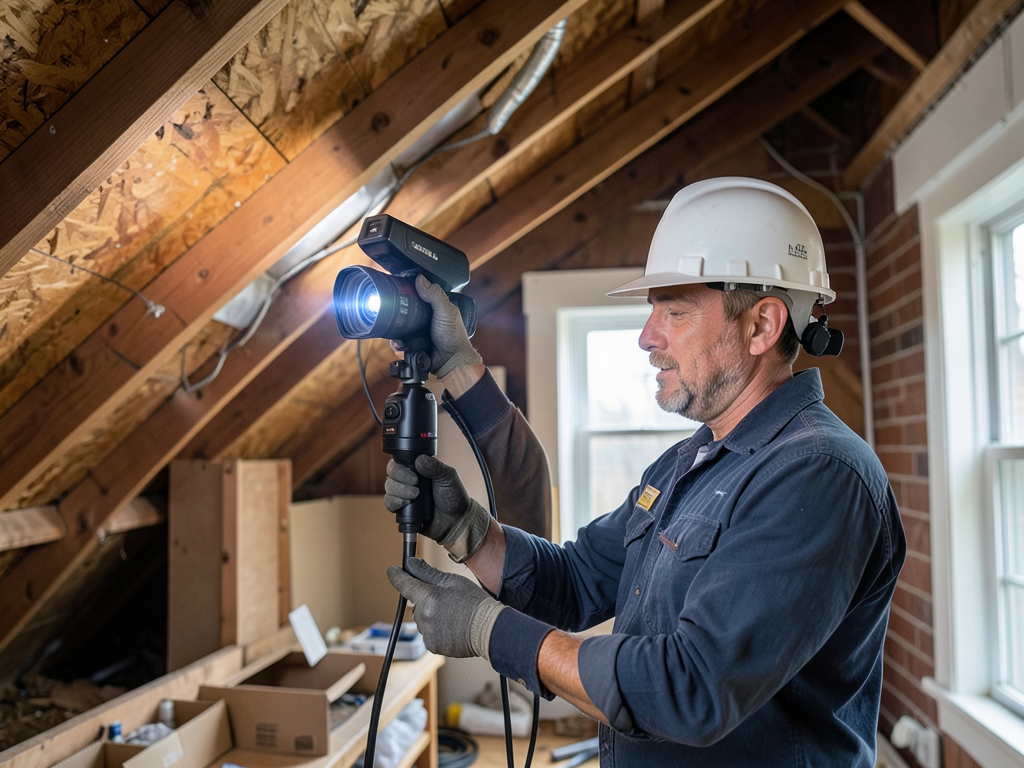
Our assessment starts with a comprehensive roof inspection using infrared thermography to locate hidden moisture in existing insulation. We take core samples to evaluate deck condition and determine if structural repairs are needed before membrane installation. Load calculations verify your building can support new insulation and membrane weight. You receive a written report detailing all findings with photographic documentation of problem areas. We identify code compliance issues that need correction and calculate material quantities for accurate project pricing. The assessment includes drainage evaluation to ensure proper water flow and eliminate ponding areas. This information becomes the foundation for your project specification and prevents surprises during installation.

Installation Quality and Performance

You get a watertight roof system engineered for Detroit weather extremes. Every seam receives hot-air welding that creates fusion bonds stronger than the base membrane. We use only manufacturer-approved adhesives and fasteners to ensure system integrity. Quality control includes seam probing and electronic leak detection before final approval. Your completed roof meets or exceeds Michigan building code requirements for fire resistance, wind uplift, and energy efficiency. The installation includes proper flashing at all penetrations, perimeter edges, and equipment supports. You receive a roof system that protects your building contents, maintains comfortable interior conditions, and performs reliably through decades of service.

System Maintenance and Longevity

EPDM roofing membranes last 20 to 30 years with minimal maintenance when properly installed. You need biannual inspections to clear drains, remove debris, and check flashing conditions. We provide a maintenance guide showing critical inspection points and simple tasks your facilities team can perform. Small repairs get completed quickly before they become major problems. The synthetic rubber material resists punctures better than thermoplastic membranes and repairs easily using patch kits. Your roof maintains its waterproof integrity through Detroit's harsh winters without the splitting and cracking common in other single-ply systems. Professional maintenance extends system life and protects your roofing investment for the maximum duration.

Frequently Asked Questions

You Have Questions,
We Have Answers

What are the disadvantages of EPDM rubber? +

EPDM rubber has three main drawbacks for Detroit commercial properties. First, seams are vulnerable points. Membrane shrinkage over time can stress adhesive bonds, leading to leaks during freeze-thaw cycles common in Michigan winters. Second, puncture resistance is lower than TPO or modified bitumen, making rooftop HVAC maintenance riskier. Third, black EPDM absorbs heat, increasing cooling costs during summer months. While white EPDM exists, it costs more and offers less UV resistance than the black version. For warehouses and low-slope commercial buildings in Detroit, these factors impact long-term operating costs and maintenance schedules.

What is EPDM rubber roofing? +

EPDM rubber roofing is a synthetic rubber membrane made from ethylene and propylene. It comes in large sheets, either 10 feet or wider, which installers roll across flat or low-slope commercial roofs. The material is flexible, stretches to accommodate building movement, and resists UV damage. EPDM has been used on Detroit commercial buildings since the 1960s, performing well in extreme temperature swings from negative winter lows to summer highs above 90 degrees. The membrane attaches through mechanical fastening, full adhesion, or ballasting with stone. It provides a watertight barrier that handles Michigan's rain, snow, and ice melt cycles.

What are common problems with EPDM roofs? +

Three problems affect EPDM roofs on Detroit commercial buildings. Seam failure occurs when adhesive degrades from UV exposure or thermal cycling, causing leaks at overlaps. Ponding water is common on flat roofs with poor drainage, accelerating membrane breakdown in areas where water sits longer than 48 hours. Punctures from foot traffic, dropped tools during HVAC service, or wind-blown debris create immediate leak risks. Detroit's freeze-thaw cycles worsen these issues because trapped moisture expands when frozen, widening small tears into larger failures. Regular inspection of seams, drains, and high-traffic areas reduces emergency repair frequency and extends membrane service life.

Does EPDM have to be glued down? +

EPDM does not require gluing down. You have three installation methods for commercial roofs in Detroit. Fully adhered systems use bonding adhesive across the entire membrane, providing maximum wind uplift resistance for exposed warehouse roofs. Mechanically attached systems use plates and fasteners through the membrane into the deck, requiring less labor and allowing faster installation. Ballasted systems lay loose membrane weighted with stone or pavers, which works on structurally sound buildings that can handle the extra load. Each method has different wind rating performance and cost implications. Your choice depends on building codes, roof deck condition, and budget constraints for your Detroit facility.

What is the life expectancy of an EPDM roof? +

EPDM roofs last 20 to 30 years on Detroit commercial properties when installed and maintained correctly. Service life depends on membrane thickness, installation quality, and maintenance frequency. Thicker 60-mil EPDM outlasts 45-mil material. Fully adhered systems perform better than ballasted installations in high-wind areas. Regular maintenance extends lifespan by addressing small problems before they become expensive failures. Detroit's climate stresses roofing systems through temperature extremes, UV exposure, and moisture cycling. Annual inspections catch seam degradation, punctures, and drainage issues early. Neglected EPDM roofs fail prematurely at 15 years, while proactive maintenance achieves the 30-year benchmark, maximizing your capital investment return.

Can EPDM go over plywood? +

EPDM can go directly over plywood on commercial buildings if the deck meets structural requirements. The plywood must be minimum half-inch thick, exterior grade, and properly secured to roof framing. You need a coverboard or insulation layer between plywood and EPDM to prevent off-gassing and provide thermal performance required by Michigan building codes. Most Detroit commercial retrofits involve installing polyiso insulation boards over existing plywood before EPDM installation. This approach upgrades energy efficiency while creating a smooth substrate for the membrane. Exposed plywood creates uneven surfaces that stress EPDM at panel joints, increasing puncture risk and reducing long-term performance.

What do you put under EPDM roofing? +

You install insulation and coverboard under EPDM roofing on Detroit commercial buildings. Polyiso rigid foam insulation provides R-value compliance with Michigan energy codes while creating a flat substrate. Thickness varies from two to six inches depending on code requirements and existing roof assembly. A coverboard layer goes over insulation to protect it from construction traffic and provide a smooth surface for membrane attachment. Options include half-inch DensDeck, gypsum board, or high-density polyiso. This layered approach prevents thermal bridging, improves energy performance, and extends EPDM service life by minimizing substrate irregularities that cause stress points and premature membrane failure.

Can I walk on an EPDM roof? +

You can walk on EPDM roofs, but caution prevents damage. The membrane tolerates foot traffic for inspections and HVAC maintenance when dry. Wet EPDM becomes slippery, creating fall hazards for technicians. Sharp objects like tools, gravel, or metal fragments puncture the membrane easily. Limit rooftop access to trained personnel wearing soft-soled shoes. Install walkway pads along high-traffic routes to HVAC units on Detroit commercial buildings. These pads distribute weight and protect the membrane from abrasion. Dragging equipment across EPDM tears the surface. Winter ice makes rooftops dangerous and increases puncture risk from frozen debris. Establish access protocols that balance maintenance needs with membrane protection.

What thickness of EPDM is best? +

Choose 60-mil EPDM thickness for Detroit commercial roofs requiring maximum durability. This thickness resists punctures from foot traffic, handles thermal stress from temperature swings, and provides longer service life than 45-mil material. The thicker membrane costs 15 to 20 percent more upfront but reduces maintenance expenses and extends replacement intervals. Use 45-mil EPDM only on low-traffic roofs with minimal equipment. Warehouses, retail buildings, and facilities with rooftop HVAC units benefit from 60-mil performance. Thickness affects warranty terms and insurance requirements. Michigan building codes do not mandate specific EPDM thickness, but wind uplift ratings and puncture resistance requirements often push commercial projects toward 60-mil specifications.

What is the 25% rule in roofing? +

The 25 percent rule states that when roof repairs exceed 25 percent of the total roof area, you must bring the entire roof system up to current building code. This triggers in Detroit when patch repairs accumulate or a single damage area covers over a quarter of your commercial roof. You cannot keep patching an aging EPDM roof indefinitely without code compliance upgrades. The rule protects building occupants by preventing piecemeal repairs on failing systems. It forces energy efficiency improvements through insulation upgrades and proper drainage installation. When your Detroit facility approaches this threshold, full replacement becomes more cost-effective than continued repairs that require complete code compliance work.

How Detroit's Industrial Environment Affects Commercial Roofing Material Selection

Detroit's legacy as an automotive manufacturing center created unique roofing challenges. Industrial facilities near the I-94 corridor and in Southwest Detroit release particulates and chemical compounds that settle on commercial roofs. These pollutants accelerate degradation of petroleum-based roofing materials. Buildings within two miles of active manufacturing plants show 30% faster deterioration rates for asphalt-based systems. EPDM's synthetic rubber composition resists this chemical attack because it contains no petroleum derivatives that break down under industrial exposure. Warehouses in Eastern Market and distribution centers near the Port of Detroit need this chemical resistance to avoid premature roof failure and the operational disruptions that come with emergency repairs.

Detroit commercial property owners face strict building code enforcement following the city's revitalization efforts. The Buildings, Safety Engineering, and Environmental Department requires detailed plans and engineered specifications for all commercial roof replacements. Projects need stamped drawings showing wind uplift calculations and proper attachment methods for Detroit's wind zone classification. Peak Roofing Detroit maintains relationships with local building inspectors and understands permit requirements that delay projects when handled incorrectly. We submit complete documentation packages that pass review on the first submission. This local knowledge saves you weeks of project delays and prevents the costs associated with failed inspections or incomplete applications.
Roofing Services in The Detroit Area

Our local headquarters are strategically located to efficiently serve all of Detroit and the surrounding areas. We invite you to view our service region and location on the map. As a trusted local contractor, we are never far from your neighborhood and are committed to providing quick, reliable, and convenient service wherever you are within the metropolitan area.

Address:
Peak Roofing Detroit, 19549 Gilmore St, Reseda, CA, 91335

Additional Services We Offer

Our news updates

Latest Articles & News from The Blogs

Why Clay Tile Roofs in Grosse Pointe Park Need Specialized Maintenance\n\nClay tile roofs define the historic character of Grosse Pointe…

Why Clay Tile Roofs in Grosse Pointe Park Need Specialized Maintenance

Why Clay Tile Roofs in Grosse Pointe Park Need Specialized Maintenance\n\nClay tile roofs define the historic character of Grosse Pointe…

Is a Standing Seam Metal Roof the Right Choice for Your Grosse Pointe Farms Estate

Is a Standing Seam Metal Roof the Right Choice for Your Grosse Pointe Farms Estate Standing seam metal roofing offers…

Why Hazel Park Homeowners are Choosing Performance Shingles for Their First Houses

Why Hazel Park Homeowners are Choosing Performance Shingles for Their First Houses When Hazel Park first-time homeowners look up at…

Contact Us

Protect your Detroit business with a commercial-grade EPDM roof system engineered for industrial environments. Call Peak Roofing Detroit at (313) 604-2233 for a comprehensive roof assessment and detailed project proposal. We provide transparent pricing and realistic timelines without sales pressure.