menu

Attic Ventilation Systems in Detroit | Protect Your Roof from Ice Dams and Moisture Damage

Peak Roofing Detroit installs balanced attic ventilation systems engineered for Michigan's freeze-thaw cycles, preventing ice dam formation, reducing energy costs, and extending the lifespan of your roof through proper airflow management.

Slider Image 1
Slider Image 2
Slider Image 3
Slider Image 4
Slider Image 5
Slider Image 7
Slider Image 8
Slider Image 9
Slider Image 10
Slider Image 11

Why Detroit Roofs Fail Without Proper Attic Airflow

Detroit's winter weather creates a perfect storm for roof damage. When snow accumulates on your roof during our sub-zero stretches, poor attic venting traps heat from your living space below. This heat rises and melts the snow, sending water down to your eaves where it refreezes into ice dams. Those ice dams force water under your shingles, rotting the decking and destroying insulation.

Summer brings the opposite problem. Detroit's humid July and August temperatures can push attic temps past 150 degrees without adequate roof ventilation. That extreme heat cooks your shingles from below, shortening their lifespan by years. The moisture from that humidity condenses on cold surfaces when temperatures drop, leading to mold growth on rafters and attic floor joists.

Many homes in neighborhoods like Rosedale Park and Palmer Woods were built before modern building codes required balanced attic exhaust systems. Older homes often have inadequate intake vents at the soffits or no ridge venting at all. Some have gable vents that create dead zones where air stagnates. Others have power vents fighting against passive roof airflow systems, creating negative pressure that pulls conditioned air from your living space.

The fix requires more than slapping a few turbine vents on your roof. You need a calculated approach that matches intake CFM to exhaust CFM, accounts for your roof pitch and attic square footage, and works with Detroit's wind patterns and temperature swings.

Why Detroit Roofs Fail Without Proper Attic Airflow
How We Engineer Attic Venting for Maximum Performance

How We Engineer Attic Venting for Maximum Performance

We start by calculating your attic's total square footage and required net free area. Building codes call for 1 square foot of ventilation per 150 square feet of attic space, but we often exceed that minimum for Detroit's climate extremes. We measure your existing intake venting at the soffits and compare it to your exhaust capacity at the ridge, gables, or roof deck.

The goal is balance. If you have 10 square feet of intake but only 4 square feet of exhaust, you have restriction at the top. Air enters but cannot exit efficiently, creating positive pressure. If you have massive exhaust capacity but blocked soffits, you have restriction at the bottom. The system pulls air from wherever it can find it, often through gaps in your ceiling or attic hatch.

We install continuous soffit vents to maximize intake across your entire roof perimeter. These perforated aluminum or vinyl panels replace solid soffit material, pulling fresh air from below. At the peak, we cut in continuous ridge venting that runs the length of your roof line. Ridge vents use the Bernoulli effect. Wind passing over the raised profile creates negative pressure, pulling hot air up and out.

For hip roofs without ridge lines, we use static box vents positioned near the peak or power attic fans with thermostatic controls. We remove old turbine vents that freeze in winter and create leak points. We seal gable vents when adding ridge vents to prevent short-circuiting. The air path must flow from soffit to ridge without interference.

What Happens During Your Ventilation System Installation

Attic Ventilation Systems in Detroit | Protect Your Roof from Ice Dams and Moisture Damage
01

Attic and Roof Inspection

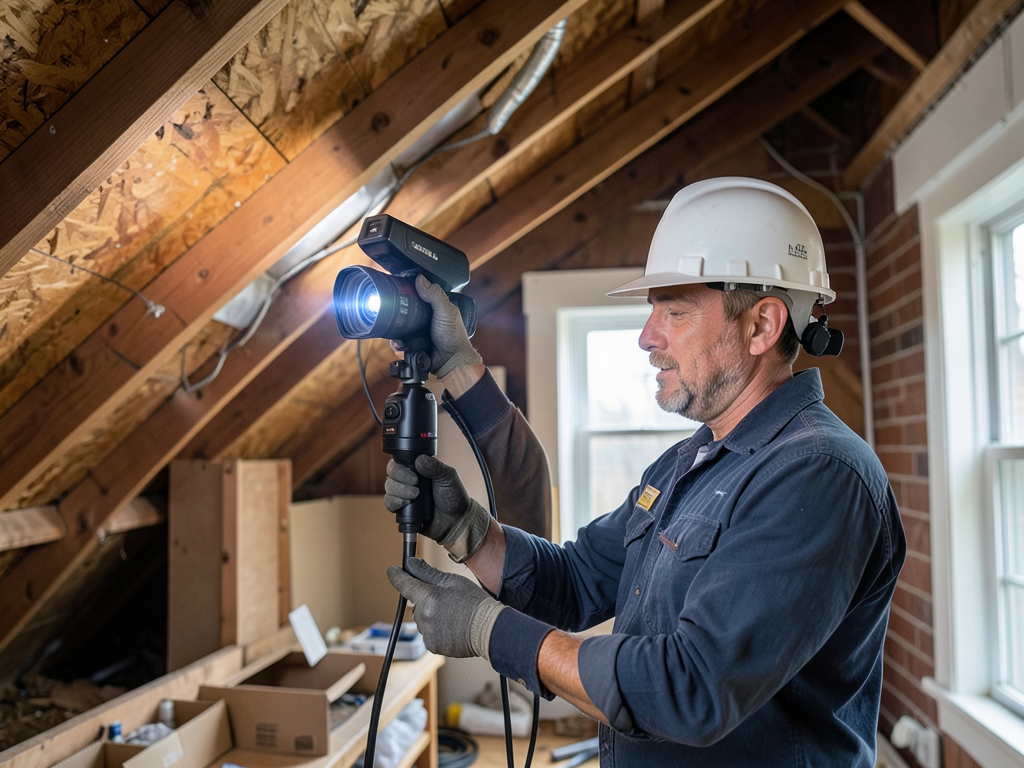
We crawl your attic to document existing venting, check for insulation blocking your soffit bays, measure temperatures at multiple points, and look for moisture staining on rafters or decking. We photograph problem areas and calculate your current net free area. From the roof deck, we inspect shingle condition around old vents and identify optimal placement for new exhaust vents based on your roof geometry.
02

System Design and Material Selection

We design your system on paper first. You get a drawing showing intake CFM, exhaust CFM, and vent locations. We specify ridge vent profiles that match your shingle type and roof pitch. For intake, we choose between retrofit soffit vents, circular undereave vents, or complete soffit replacement depending on your trim condition. We select colors that blend with your fascia and roofline. You approve the plan before we touch your roof.
03

Installation and Airflow Testing

Our crew cuts the ridge line, installs underlayment and vent material, then caps it with matching shingles for a weathertight seal. We install soffit vents and clear any insulation blocking airflow at the eaves. Inside your attic, we use an anemometer to verify air movement and thermal imaging to check for temperature stratification. You see real data proving your system moves air correctly before we leave the site.

Why Detroit Homeowners Trust Peak Roofing for Ventilation Solutions

We have installed roof airflow systems across every Detroit neighborhood, from brick colonials in Indian Village to bungalows in Warrendale. We know the difference between a 1920s gable roof that needs creative venting solutions and a 1990s ranch with pre-cut soffit bays. We understand how the wind coming off the Detroit River affects attic pressure in riverfront homes versus homes five miles inland.

Many roofers treat ventilation as an afterthought. They focus on shingle color and price per square, then throw in a few box vents to check a box. That approach fails in Detroit's climate. You need someone who understands psychrometrics, dew points, and how moisture moves through building assemblies. We have seen what happens when contractors install power vents without adequate intake. We have torn off roofs destroyed by condensation because someone covered soffit vents with blown insulation.

Peak Roofing Detroit employs installers who have worked on everything from flat commercial roofs to steep residential pitches. We pull permits when required and follow Michigan's residential building code to the letter. We coordinate with insulation contractors when needed, ensuring your attic floor has proper R-value without blocking airflow channels.

We also know when NOT to add ventilation. Some cathedral ceilings require hot roof designs with closed-cell foam. Some older homes with plaster ceilings cannot support additional air leakage. We give you honest assessments based on your specific structure, not a one-size-fits-all sales pitch. You get solutions that actually work for your home and your budget.

What You Can Expect from Start to Finish

Fast Scheduling and Completion

Most attic ventilation installations take one to two days depending on your roof size and complexity. We schedule your inspection within 48 hours of your call. You receive a written proposal within 24 hours of the inspection. Once you approve, we typically start work within one week. We do not drag projects out. Our crews arrive on time, work efficiently, and clean up completely before leaving. You get a functional system fast, which matters when you are fighting ice dams mid-winter or attic heat in July.

Thorough Evaluation Before We Cut

We never install vents without understanding your full attic environment. Our inspection includes thermal imaging to find hot spots, moisture meter readings on wood framing, and airflow measurements at existing vents. We check your insulation type and depth. We look for roof leaks, animal entry points, and electrical hazards. You get photos and a detailed report explaining what we found and why we recommend specific vent types and locations. No surprises, no upselling, just data-driven recommendations.

Weathertight Professional Installation

Every penetration we make in your roof gets sealed with ice and water shield, not just tar. Ridge vents get external baffles to prevent wind-driven rain infiltration. Soffit vents get screened to block insects and birds. We hand-seal every shingle tab around new vents. We match your existing shingle color and profile so new vents blend invisibly. The finished product looks factory-installed, not added on. Your roof remains as weathertight as before, but now it breathes correctly.

Long-Term Performance Monitoring

We provide documentation of your system's specifications, including total intake and exhaust CFM. We offer optional annual attic inspections to verify your system continues performing correctly. During inspections, we check for blocked soffit vents from landscaping or insulation settling, verify ridge vent function, and look for any moisture issues that might indicate airflow problems. Proper attic venting extends your roof life by years. We help you protect that investment with ongoing support and maintenance guidance.

Frequently Asked Questions

You Have Questions,
We Have Answers

What is the best ventilation for an attic? +

The best attic ventilation combines balanced intake and exhaust. Ridge vents paired with soffit vents create continuous airflow across the entire attic space. This passive system works well in Detroit's climate, handling humid summers and harsh winters without moving parts. Box vents or gable vents can supplement airflow in larger attics. Avoid mixing incompatible systems like ridge vents with powered fans, which disrupt natural airflow patterns. The right system depends on your roof pitch, attic size, and existing structure. A balanced approach prevents moisture buildup during freeze-thaw cycles common in Southeast Michigan.

Why don't people use attic fans anymore? +

Attic fans fell out of favor because they pull conditioned air from living spaces through ceiling gaps, increasing energy bills. Many Detroit homes with older insulation have penetrations around plumbing and electrical that create unintended pathways. Fans also depressurize the attic, drawing humid outdoor air inside during summer, which can cause condensation problems. Passive ventilation systems like ridge and soffit vents eliminate these issues without moving parts or electricity costs. Modern building science favors balanced, continuous airflow over mechanical solutions. Fans still exist but are rarely recommended by professionals who understand airflow dynamics.

What is the 1:300 rule for attic ventilation? +

The 1:300 rule states you need one square foot of ventilation for every 300 square feet of attic floor space. This ratio applies when ventilation is balanced equally between intake and exhaust. Detroit building codes reference this standard for residential construction. If your attic lacks a vapor barrier or has poor ceiling insulation, you may need more ventilation to handle moisture from indoor activities. The formula helps prevent ice dams, mold growth, and premature shingle failure. Calculate your attic square footage, divide by 300, then split that number equally between soffit intake and roof exhaust vents.

What are the three types of attic ventilation? +

The three types are intake vents, exhaust vents, and powered ventilation. Intake vents include soffit vents and low gable vents that pull fresh air into the attic. Exhaust vents like ridge vents, box vents, and turbines release hot air at the roof peak. Powered options include electric attic fans and solar-powered vents. Detroit homes typically use passive intake and exhaust combinations for reliability during winter months when ice buildup can block mechanical systems. Each type serves a specific function in the airflow path. Balanced systems combining intake and exhaust work best in Michigan's variable climate.

What is the 7 and 7 rule for attics? +

The 7 and 7 rule means you need seven inches of clearance between insulation and roof decking, plus seven square feet of ventilation per thousand cubic feet of attic space. This guideline prevents insulation from blocking soffit vents while ensuring adequate airflow volume. In Detroit's older homes with low roof pitches, maintaining this clearance can be challenging. Baffles installed between rafters create airflow channels above insulation. This rule prevents moisture accumulation that leads to mold and wood rot. Proper clearance also maximizes insulation effectiveness by preventing compression, keeping heating costs manageable through Michigan winters.

What is the rule of thumb for attic ventilation? +

The rule of thumb is one square foot of net free area per 150 square feet of attic space when ventilation is balanced between intake and exhaust. Net free area accounts for screen mesh and louver restrictions that reduce actual airflow. Detroit roofers use this 1:150 ratio to ensure adequate ventilation in Michigan's humid climate. If ventilation is imbalanced or you lack a vapor barrier, use the more conservative 1:300 ratio. Always split ventilation equally, half at soffits and half at the ridge or near the roof peak. This creates natural convection that moves air efficiently.

Why did roofers turn to ridge vents instead of attic fans? +

Roofers switched to ridge vents because they provide continuous exhaust along the entire roof peak without creating weak points in the structure. Ridge vents work with natural convection, eliminating energy costs and mechanical failure risks. They handle Detroit's heavy snow loads better than box vents or turbines. Ridge vents also prevent the depressurization problems caused by powered fans, which pull conditioned air from living spaces. Installation is simpler and less invasive. The passive design requires no maintenance and operates silently. Combined with soffit vents, ridge vents create balanced airflow that protects shingles and decking year-round.

What is better than an attic fan? +

Passive ridge and soffit vent combinations outperform attic fans by creating balanced, continuous airflow without energy consumption or mechanical failures. This system avoids depressurization issues that increase cooling costs and moisture intrusion. In Detroit's climate, passive systems handle freeze-thaw cycles better because they have no moving parts to ice over. Solar-powered attic fans offer a middle ground, running without electrical costs while providing supplemental exhaust. However, most Detroit homes achieve better results with properly sized passive ventilation. The key is balanced intake and exhaust, which passive systems deliver consistently across all seasons and weather conditions.

What are the downsides of attic fans? +

Attic fans depressurize the attic space, pulling conditioned air from living areas through ceiling penetrations around lights, plumbing, and electrical boxes. This increases cooling costs during Detroit summers. Fans can draw humid outdoor air into the attic, causing condensation on cold surfaces in spring and fall. They require electricity, add noise, and eventually fail, requiring replacement. Improper installation can create backdrafting in combustion appliances. Fans also disrupt balanced airflow when combined with passive vents like ridge vents. Most building scientists recommend avoiding powered fans unless specific conditions require supplemental ventilation beyond what passive systems provide.

What is the cheapest way to vent an attic? +

Gable vents are the cheapest attic ventilation option, requiring only two louvered openings cut into opposing gable ends. Installation is straightforward and material costs are minimal. However, gable vents only ventilate the upper third of the attic effectively, leaving dead air pockets. For Detroit homes, adding soffit vents costs slightly more but dramatically improves performance by creating intake at the lowest point. This combination handles Michigan humidity better than gable vents alone. Ridge vents require cutting the roof peak but provide superior continuous exhaust. Choose based on your roof configuration and budget, but prioritize balanced intake and exhaust over initial cost savings.

How Detroit's Freeze-Thaw Cycles Demand Superior Attic Exhaust Systems

Detroit experiences an average of 42 freeze-thaw cycles each winter. Temperatures swing from single digits overnight to 35 degrees by afternoon, then drop again after sunset. Each cycle melts accumulated snow, sending water down your roof. Without balanced roof venting systems, that heat differential creates the perfect environment for ice dams along your eaves. The problem intensifies in older neighborhoods like Corktown and Woodbridge, where century-old homes have minimal insulation and original roof framing that was never designed for modern attic airflow standards.

Peak Roofing Detroit has worked throughout Wayne County for years, from Grosse Pointe's lakefront mansions to Dearborn's post-war suburbs. We understand Michigan's residential building code requirements for attic venting and the specific challenges posed by Detroit's architectural diversity. Local building inspectors know our work. Local suppliers stock the materials we specify. When you choose a Detroit-based roofing contractor for ventilation work, you get someone who has solved the exact problem you are facing in hundreds of homes within miles of yours.
Roofing Services in The Detroit Area

Our local headquarters are strategically located to efficiently serve all of Detroit and the surrounding areas. We invite you to view our service region and location on the map. As a trusted local contractor, we are never far from your neighborhood and are committed to providing quick, reliable, and convenient service wherever you are within the metropolitan area.

Address:
Peak Roofing Detroit, 19549 Gilmore St, Reseda, CA, 91335

Additional Services We Offer

Our news updates

Latest Articles & News from The Blogs

Why Clay Tile Roofs in Grosse Pointe Park Need Specialized Maintenance\n\nClay tile roofs define the historic character of Grosse Pointe…

Why Clay Tile Roofs in Grosse Pointe Park Need Specialized Maintenance

Why Clay Tile Roofs in Grosse Pointe Park Need Specialized Maintenance\n\nClay tile roofs define the historic character of Grosse Pointe…

Is a Standing Seam Metal Roof the Right Choice for Your Grosse Pointe Farms Estate

Is a Standing Seam Metal Roof the Right Choice for Your Grosse Pointe Farms Estate Standing seam metal roofing offers…

Why Hazel Park Homeowners are Choosing Performance Shingles for Their First Houses

Why Hazel Park Homeowners are Choosing Performance Shingles for Their First Houses When Hazel Park first-time homeowners look up at…

Contact Us

Call Peak Roofing Detroit at (313) 604-2233 for a complete attic inspection and ventilation analysis. We provide same-week assessments and transparent proposals. Protect your roof from ice dams, moisture damage, and premature failure with a properly engineered attic airflow system.