menu

Tile Roofing Services in Detroit | Built to Handle Freeze-Thaw Cycles and Historic District Requirements

Peak Roofing Detroit specializes in tile roofing installation, repair, and replacement engineered for Detroit's extreme temperature swings and strict architectural preservation standards in neighborhoods like Indian Village and Boston-Edison.

Slider Image 1
Slider Image 2
Slider Image 3
Slider Image 4
Slider Image 5
Slider Image 7
Slider Image 8
Slider Image 9
Slider Image 10
Slider Image 11

Why Tile Roofing Demands Specialized Expertise in Detroit

Detroit's freeze-thaw cycles create unique challenges for tile roofing systems. When temperatures swing 40 degrees in a single day, moisture trapped beneath tiles expands and contracts, cracking underlayment and compromising the waterproof barrier. Most tile roofing contractors in Detroit fail to address this during installation, leading to premature failures within five to seven years.

The city's historic districts add another layer of complexity. If you own a home in Indian Village, Boston-Edison, or Palmer Woods, your tile roof replacement must comply with Detroit Historical Commission guidelines. You cannot simply match the color. You must match the profile, texture, and often the manufacturer specifications from the original installation. Generic tile roofing companies lack access to these discontinued profiles or the relationships with specialty suppliers who stock heritage tiles.

Detroit's clay soil shifts significantly during seasonal moisture changes. This movement transfers stress to your roof deck and can cause tile slippage if the battens are not properly spaced and anchored. Standard tile roof installation methods used in stable climates will fail here. You need contractors who understand how to build flexibility into the system while maintaining structural integrity.

Wind uplift is another concern. Detroit's proximity to Lake St. Clair creates wind tunnels through urban corridors. Tile roofs installed without proper edge securement and hip-and-ridge detailing will lose tiles during storms. You will see this in older neighborhoods where tile roof repair becomes a recurring expense because the initial installation did not account for local wind loads.

Why Tile Roofing Demands Specialized Expertise in Detroit
How Peak Roofing Detroit Approaches Tile Roof Installation and Repair

How Peak Roofing Detroit Approaches Tile Roof Installation and Repair

We start every tile roofing project with a structural load assessment. Concrete and clay tiles weigh 850 to 1,100 pounds per square, far exceeding the capacity of most Detroit homes built before 1960. We verify your roof deck can handle the load and reinforce framing members where needed. Tile roofing contractors who skip this step create liability and safety issues.

Our underlayment system uses a dual-layer approach designed specifically for freeze-thaw environments. We install a self-adhering modified bitumen base layer directly to the deck, then add a synthetic cap sheet with high UV resistance. This creates redundancy. If moisture penetrates the tile layer, the underlayment still protects your home. Standard felt paper used by most tile roofing companies deteriorates in three to five years under Detroit conditions.

We space battens to match the tile profile and account for thermal expansion. In summer, your roof deck can reach 160 degrees. In winter, it drops below zero. The tile and battens must move independently without stressing fasteners. We use stainless steel screws with neoprene washers, not nails, because screws maintain holding power as the wood expands and contracts.

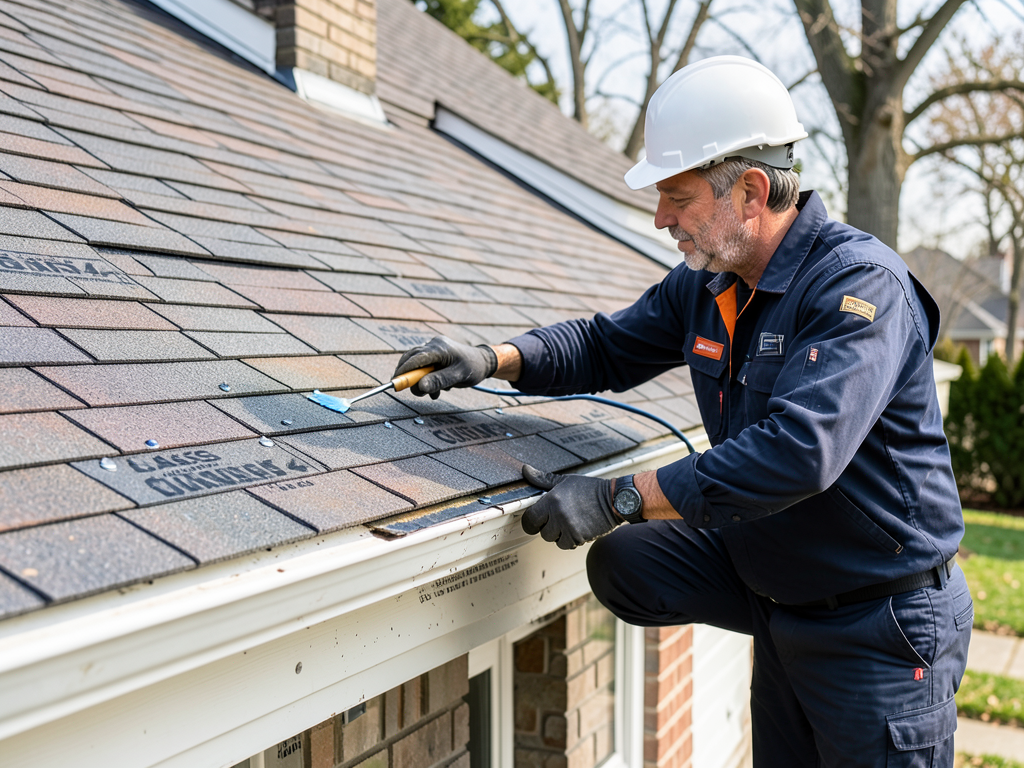
For tile roof repair, we do not just replace broken tiles. We investigate why the tile failed. Was it improper installation? Underlayment failure? Deck movement? We address the root cause, not the symptom. This approach prevents recurring repairs and extends the life of your roof by decades.

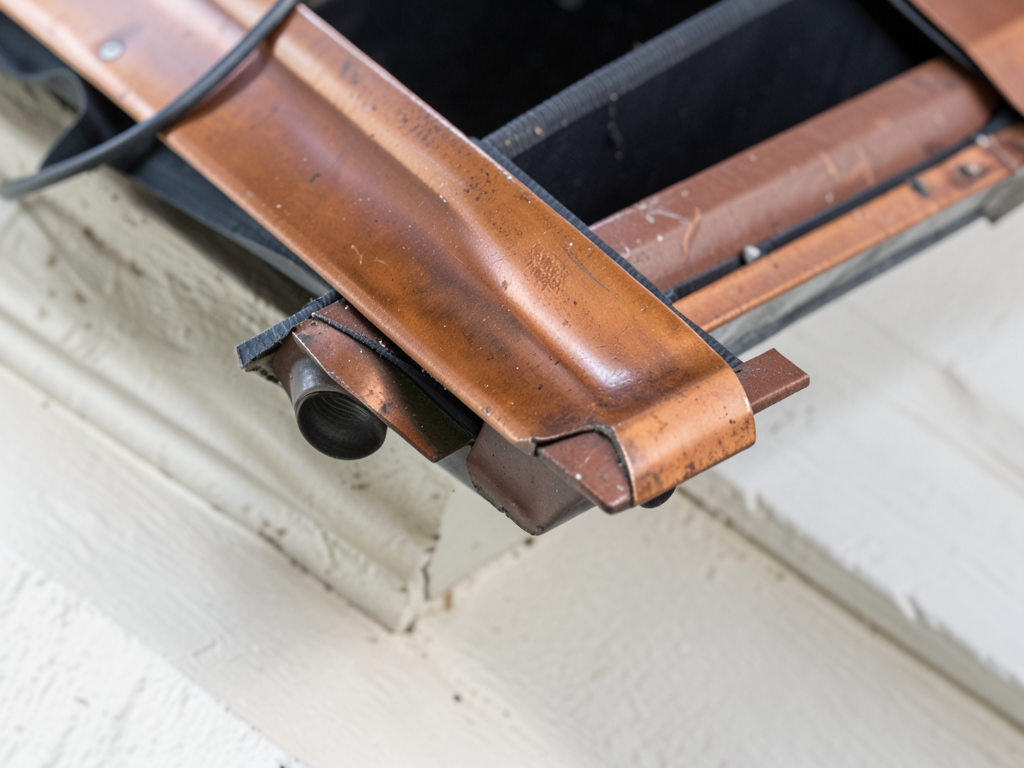
Hip and ridge tiles receive mechanical fastening plus foam closure strips to prevent wind-driven rain infiltration. Valleys use metal liners, not cut tiles, because cut edges absorb water and crack during freeze cycles.

What Happens During Your Tile Roofing Project

Tile Roofing Services in Detroit | Built to Handle Freeze-Thaw Cycles and Historic District Requirements
01

Structural and Code Review

We inspect your roof deck, attic framing, and bearing walls to verify they can support tile weight. In historic districts, we coordinate with the Detroit Historical Commission to ensure your tile selection meets preservation guidelines. We pull permits and schedule inspections to keep your project compliant. This step prevents costly mid-project surprises and ensures your roof meets both structural and aesthetic requirements for your neighborhood.
02

Precision Installation Process

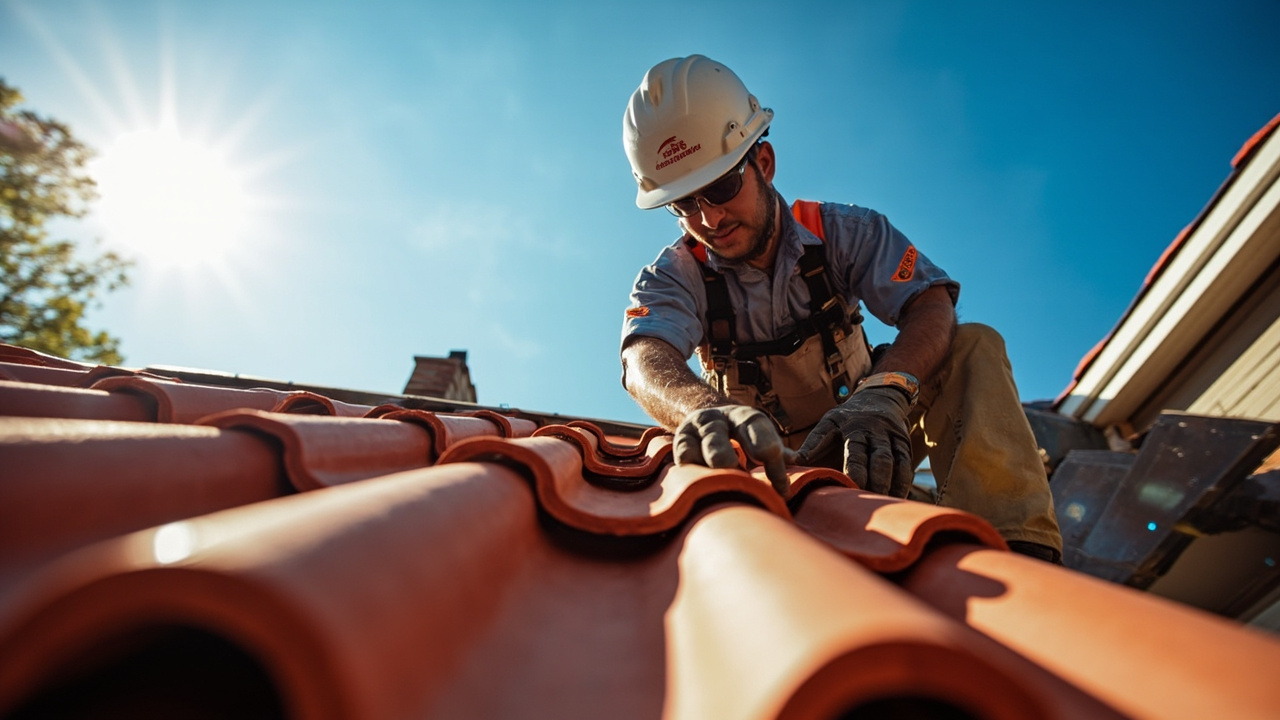
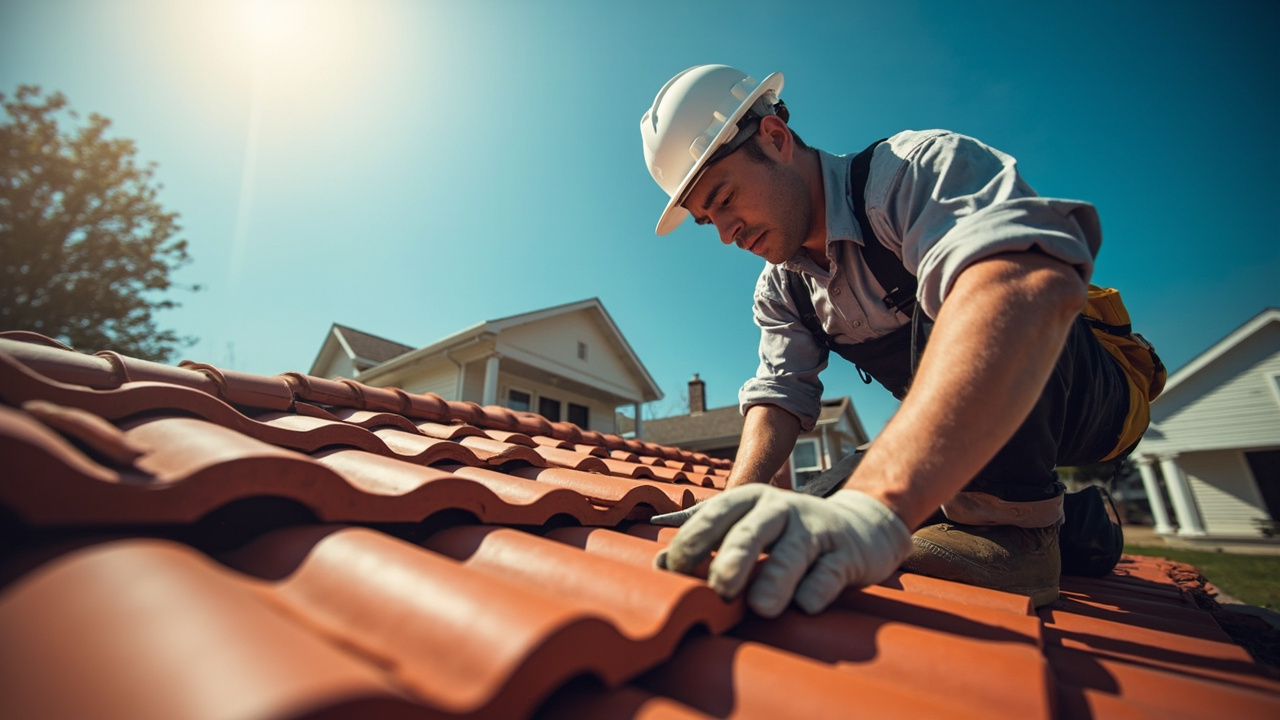
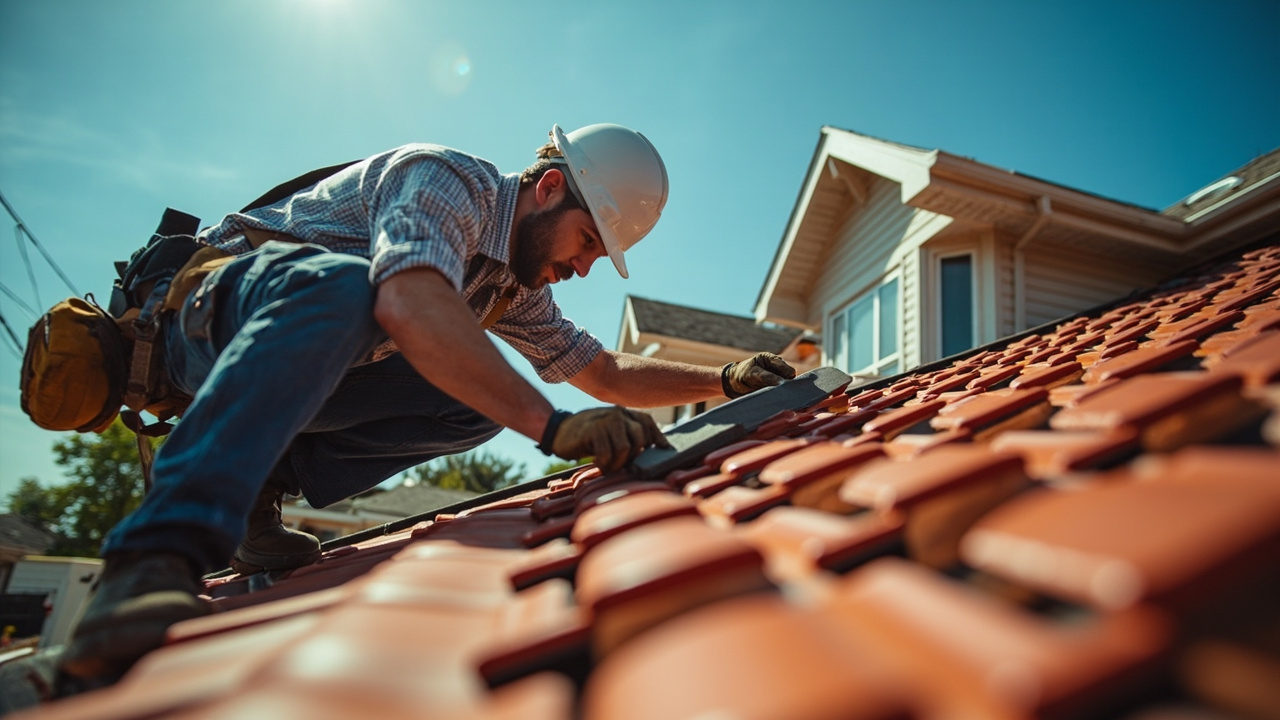
We remove old roofing down to the deck and repair any water damage or rot. Our crews install the dual-layer underlayment system, then set battens with precise spacing for your tile profile. Each tile is individually positioned and fastened, not just hung on the battens. We install custom flashing at all penetrations and transitions. Our tile roof installation follows manufacturer specifications modified for Detroit's climate, ensuring maximum performance and longevity.
03

Final Inspection and Cleanup

After installation, we walk the entire roof to verify every tile is properly seated and fastened. We test all flashing details and ensure ridge vents function correctly. Our crews remove all debris and use magnetic sweepers to collect fasteners from your property. We schedule the final city inspection and provide you with documentation for your records. You receive a detailed maintenance guide specific to tile roofing in Detroit's climate.

Why Detroit Property Owners Choose Peak Roofing for Tile Systems

Peak Roofing Detroit maintains relationships with specialty suppliers who stock heritage tile profiles for historic district projects. When you need to match 1920s barrel tiles in Indian Village or flat mission tiles in Palmer Woods, we can source them. Most tile roofing companies cannot access these products and will try to substitute with modern alternatives that violate preservation guidelines.

We understand Detroit's building codes and how they apply to tile roofing. The city requires enhanced wind resistance in certain zones. We know which fastening schedules meet code and which inspectors will flag substandard work. This knowledge prevents failed inspections and project delays.

Our crews have installed tile roofs on Detroit's most prominent historic properties. We have worked with the Detroit Historical Commission on multiple projects and understand their review process. This experience speeds approvals and ensures your project moves forward without bureaucratic delays.

We do not subcontract tile work. Our employees handle every aspect of your project, from tearoff to final inspection. This eliminates the quality control issues that plague larger roofing companies who use subcontractors with inconsistent training.

Detroit's commercial properties with tile roofs require specialized maintenance programs. We service apartment buildings, religious institutions, and commercial structures throughout the metro area. Our maintenance contracts include biannual inspections, tile replacement, and underlayment monitoring to catch problems before they cause interior damage.

We provide detailed documentation for insurance claims. If storm damage affects your tile roof, we photograph every broken tile, document wind speeds from local weather data, and provide repair estimates that insurance adjusters accept. This service eliminates the back-and-forth that delays repairs and leaves your property exposed.

What You Can Expect From Our Tile Roofing Services

Project Timeline and Scheduling

Tile roof installation typically takes seven to ten days for an average Detroit home, longer for complex historic properties. Weather delays are common in spring and fall due to temperature requirements for underlayment adhesion. We schedule projects in advance and provide firm start dates. Emergency tile roof repair for storm damage receives priority scheduling, usually within 48 hours. We coordinate material delivery to avoid delays and keep your property secure throughout the project. Commercial projects are scheduled to minimize business disruption, often completed in phases to maintain building functionality.

Initial Assessment Process

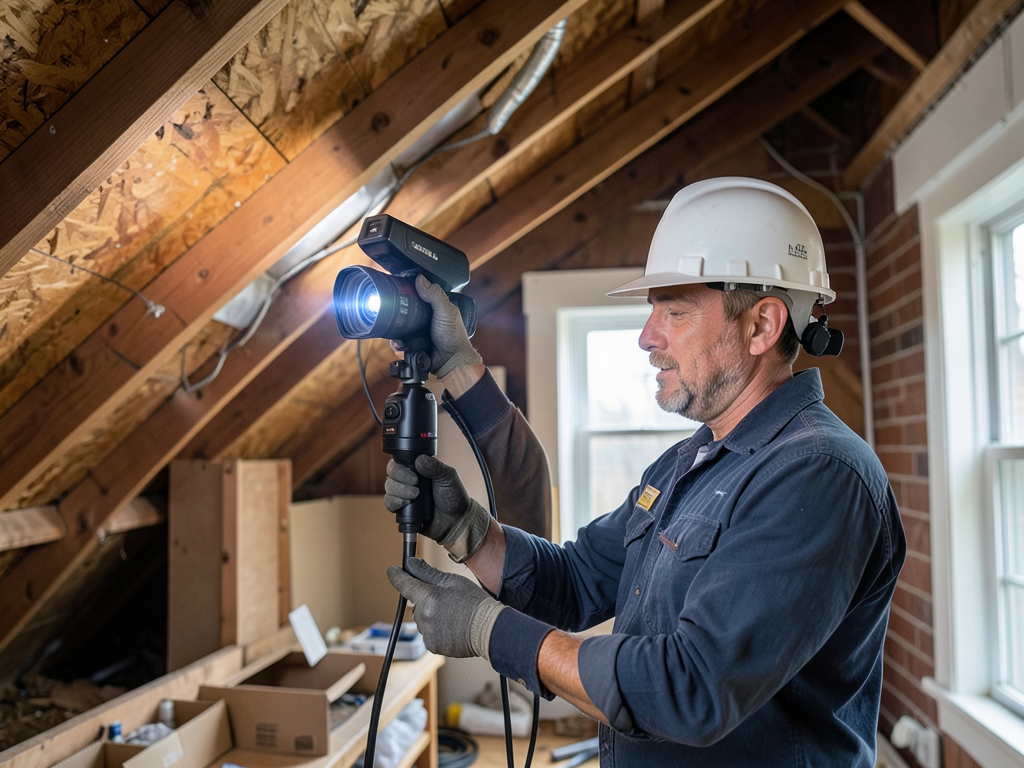
We begin with a detailed roof inspection that includes attic access to check for hidden water damage and structural issues. You receive a written assessment that identifies problems, not just symptoms. For tile roof replacement, we provide multiple material options with pros and cons for each. We explain how different tile profiles perform in Detroit's climate and which options meet historic district requirements. Our assessments include thermal imaging to detect moisture trapped in underlayment layers. This technology identifies problems invisible to standard inspections, preventing costly surprises during tearoff.

Quality of Final Installation

Your completed tile roof will have uniform tile alignment, proper flashing at all transitions, and secure fastening that meets wind load requirements for Detroit. Underlayment layers will be watertight and installed with proper overlap. Hip and ridge tiles will be mechanically fastened with foam closures to prevent water infiltration. All penetrations, including vents and chimneys, receive custom flashing designed for tile roof systems. Your roof will pass city inspection on the first attempt. We provide detailed photos of completed work, including underlayment installation that becomes hidden once tiles are placed.

Maintenance and Long-Term Care

Tile roofs require periodic inspection to catch problems early. We recommend annual inspections after Detroit's winter freeze-thaw cycles to identify cracked tiles or deteriorating underlayment. We offer maintenance contracts that include biannual inspections, minor repairs, and valley cleaning to prevent ice dam formation. You receive a maintenance log documenting all service visits, which proves valuable for insurance claims and property sales. We stock common tile profiles for quick repairs, avoiding the delays typical when sourcing specialty tiles. Our maintenance program extends tile roof life by identifying small problems before they require costly repairs.

Frequently Asked Questions

You Have Questions,
We Have Answers

How much does it cost to do a tile roof? +

Tile roofing costs in Detroit vary based on material type, roof complexity, and structural reinforcement needs. Concrete tiles run lower than clay or slate options. Detroit homes often require deck strengthening because tile weighs significantly more than asphalt shingles. Your price factors include tear-off, underlayment quality, flashing upgrades, and valley treatments. Steep pitches or multiple dormers increase labor hours. Winter freeze-thaw cycles demand premium underlayment to prevent ice dam damage. Most Detroit installations range from budget-friendly concrete to premium clay, with labor accounting for half the total. Get three detailed estimates that specify material grades and structural assessments before committing.

How much does it cost to get a roof tiled? +

Tile roof installation costs in Detroit depend on square footage, tile material, and your home's structural capacity. Clay tiles cost more than concrete but last longer in Michigan's harsh climate. Your existing roof deck may need reinforcement because tile weighs 800 to 1,000 pounds per square versus asphalt's 250 pounds. Labor costs reflect Detroit's union wages and seasonal demand fluctuations. Steep slopes, multiple chimneys, or complex hip designs add installation time. Quality underlayment matters for ice dam protection during Detroit winters. Most contractors quote per square (100 square feet), including tear-off, deck inspection, and new flashing. Always verify structural engineering approval before installation begins.

How much does it cost to roof a 20x20 garage? +

Roofing a 20x20 garage in Detroit with tile requires structural evaluation first. Your 400-square-foot garage may need truss reinforcement because tile adds substantial dead load. Concrete tiles offer lower costs than clay while handling Michigan freeze-thaw cycles effectively. Expect charges for tear-off, deck repair, underlayment, drip edge, and ridge caps. Detached garages often lack proper ventilation, which tile roofs need to prevent condensation damage. Asphalt shingles remain cheaper and adequate for most garages. If you want tile for aesthetic consistency with your main house, budget for potential structural upgrades. Get a load-bearing assessment before choosing tile over lighter alternatives.

What does a roofer charge per hour? +

Roofers in Detroit typically quote by project, not hourly rates. Tile installation requires specialized skills, so labor costs more than asphalt work. When contractors do charge hourly for repairs or small jobs, expect rates reflecting union scale and liability insurance costs. Tile work demands precision with mortar bedding, mechanical fastening, and proper batten spacing. Detroit's weather limits working days from November through March, affecting availability and urgency pricing. Emergency repairs command premium rates. Most tile installations quote per square with labor bundled into material costs. For accurate pricing, request itemized bids that separate materials, labor, disposal, and structural modifications needed for your specific project.

How much does it cost to install 1000 sq ft of tile? +

Installing 1,000 square feet of tile roofing in Detroit costs vary by tile type and complexity. Concrete tiles run lower than clay or slate options. Your total includes tear-off, deck inspection and repairs, synthetic underlayment rated for Michigan winters, flashing, and ridge caps. Tile weight requires structural verification before installation. Labor accounts for roughly half the cost because tile demands precise placement and mechanical fastening. Steep pitches or cut-ups around dormers increase installation time. Detroit's freeze-thaw cycles require quality underlayment and proper ventilation to prevent ice dams. Get multiple bids specifying tile grade, fastening method, and warranty coverage for accurate comparisons.

What are the disadvantages of tile roofs? +

Tile roofs carry weight concerns for Detroit homes. Each square weighs 800 to 1,000 pounds, requiring structural reinforcement that asphalt does not. Your roof deck and trusses may need costly upgrades. Tile cracks under foot traffic during maintenance or snow removal. Individual tiles break easily when struck by falling branches, common during Michigan ice storms. Installation costs run higher than asphalt or metal options. Cold weather makes tiles brittle and more prone to freeze-thaw damage if underlayment fails. Walking on tile voids warranties with some manufacturers. Repairs require matching discontinued colors or styles. Removal costs exceed installation because disposal fees reflect tile weight and landfill charges.

How many years will a tile roof last? +

Clay tile roofs last 50 to 100 years in Detroit when properly installed and maintained. Concrete tiles deliver 40 to 50 years of service. Michigan's freeze-thaw cycles test tile durability, but quality products handle temperature swings effectively. Your actual lifespan depends on underlayment quality, which needs replacement every 20 to 30 years. Proper attic ventilation prevents condensation damage that shortens tile life. Individual tiles may crack from ice dams or storm debris but remain replaceable without full roof replacement. Flashing and valleys wear faster than tiles themselves. Regular inspections catch small issues before they become structural problems. Tile outlasts asphalt shingles by decades in Detroit's climate.

What time of year is the cheapest to replace a roof? +

Late fall offers the cheapest roof replacement timing in Detroit. Contractors face slower demand after September when homeowners delay projects until spring. You gain negotiating leverage as crews seek winter work. Avoid December through February when ice, snow, and freezing temperatures halt installation and void material warranties. March brings unpredictable weather but reasonable pricing before peak season. Summer commands premium rates due to high demand and ideal working conditions. Tile installation requires dry conditions and temperatures above 40 degrees for proper adhesive curing. Book fall projects early for best pricing while weather remains workable. Emergency repairs always cost more regardless of season.

Do tile roofs increase home value? +

Tile roofs increase home value in Detroit's established neighborhoods where architectural consistency matters. Buyers recognize tile longevity and low maintenance compared to asphalt shingles. Clay tile adds curb appeal in historic districts like Indian Village or Palmer Woods where Mediterranean or Spanish Colonial styles dominate. Your return on investment depends on neighborhood comparables and buyer preferences. Tile works well in upscale markets but may not justify costs in entry-level areas. Energy efficiency benefits appeal to eco-conscious buyers. Appraisers factor in remaining tile life versus replacement costs. Tile roofs signal quality construction and proper maintenance, helping homes sell faster in competitive Detroit markets.

How much does it cost to do a 2000 square foot roof? +

A 2,000-square-foot tile roof in Detroit involves material selection, structural assessment, and labor complexity. Concrete tiles cost less than clay but both require deck reinforcement for most Detroit homes built with asphalt specifications. Your total includes tear-off, structural upgrades, premium underlayment for freeze-thaw protection, new flashing, and ridge caps. Complex roof designs with multiple valleys or dormers increase costs. Labor reflects specialized tile installation skills and Detroit wage rates. Winter scheduling limitations affect availability. Quality matters for Michigan's harsh climate. Get three itemized bids specifying tile grade, fastening method, ventilation upgrades, and structural engineering approval. Cheaper estimates often skip critical reinforcement steps.

How Detroit's Historic Preservation Standards Impact Tile Roof Replacement

Detroit's historic districts enforce strict architectural guidelines that directly affect tile roofing projects. The Detroit Historical Commission reviews all exterior alterations in designated neighborhoods. You cannot replace your tile roof with modern materials or profiles that differ from the original installation. This creates sourcing challenges because many heritage tile manufacturers ceased production decades ago. Peak Roofing Detroit maintains access to specialty suppliers who stock discontinued profiles and can match tiles from the 1920s and 1930s. We handle the commission review process and provide documentation that speeds approval. Most tile roofing contractors lack this experience and submit incomplete applications that delay projects by months.

Choosing a local tile roofing contractor familiar with Detroit's building codes and historic preservation requirements protects your investment. Out-of-town companies often use installation methods that fail city inspections, creating expensive corrections and project delays. We have working relationships with Detroit building inspectors and understand their expectations for tile roof installations. Our crews know which wind resistance standards apply to different zones within the city and how to document compliance. This local knowledge ensures your project moves forward smoothly and your roof meets all code requirements. For commercial properties, we coordinate installations to comply with both building codes and insurance requirements specific to Detroit's commercial districts.
Roofing Services in The Detroit Area

Our local headquarters are strategically located to efficiently serve all of Detroit and the surrounding areas. We invite you to view our service region and location on the map. As a trusted local contractor, we are never far from your neighborhood and are committed to providing quick, reliable, and convenient service wherever you are within the metropolitan area.

Address:
Peak Roofing Detroit, 19549 Gilmore St, Reseda, CA, 91335

Additional Services We Offer

Our news updates

Latest Articles & News from The Blogs

Why Clay Tile Roofs in Grosse Pointe Park Need Specialized Maintenance\n\nClay tile roofs define the historic character of Grosse Pointe…

Why Clay Tile Roofs in Grosse Pointe Park Need Specialized Maintenance

Why Clay Tile Roofs in Grosse Pointe Park Need Specialized Maintenance\n\nClay tile roofs define the historic character of Grosse Pointe…

Is a Standing Seam Metal Roof the Right Choice for Your Grosse Pointe Farms Estate

Is a Standing Seam Metal Roof the Right Choice for Your Grosse Pointe Farms Estate Standing seam metal roofing offers…

Why Hazel Park Homeowners are Choosing Performance Shingles for Their First Houses

Why Hazel Park Homeowners are Choosing Performance Shingles for Their First Houses When Hazel Park first-time homeowners look up at…

Contact Us

Call Peak Roofing Detroit at (313) 604-2233 for a detailed tile roof assessment. We provide honest evaluations, accurate estimates, and installations built to last through Detroit's extreme weather. Our tile roofing experts are ready to answer your questions and schedule your project.